Muscat – By any measure, Oman has made remarkable progress in building modern infrastructure. Our roads, airports, public parks and tourist facilities reflect a country that is proud of its development and committed to improving the quality of life for its citizens and visitors. Yet there remains one basic public service that continues to receive insufficient attention: the availability and proper maintenance of public toilets.
This may appear to be a small issue, but in reality it is an essential element of public health, urban planning, tourism development and human dignity.
Across many parts of the sultanate – particularly beaches, parks, tourist destinations and highways – the availability of clean and accessible public toilets is inconsistent. In some places they simply do not exist. In others, facilities exist but suffer from poor maintenance, lack of supplies or inadequate management.
The issue is not merely anecdotal. Anyone who spends time in public spaces – families with children, elderly people, tourists, outdoor enthusiasts or even workers in the vicinity – quickly encounters the practical difficulties caused by the absence of reliable sanitary facilities.
A gap in the regulatory framework
Interestingly, Oman already has regulations governing sanitary facilities in buildings. Municipal building regulations stipulate the minimum number of toilets required in hotels, offices, hospitals and other public buildings. These rules ensure that structures designed to accommodate large numbers of people include appropriate sanitary infrastructure.
However, these regulations largely address construction standards, not the broader question of public sanitation infrastructure.
There appears to be no comprehensive framework that addresses questions such as:
• Where public toilets should be located in public spaces.
• The minimum standards for cleanliness and maintenance.
• Responsibility for operations and supervision.
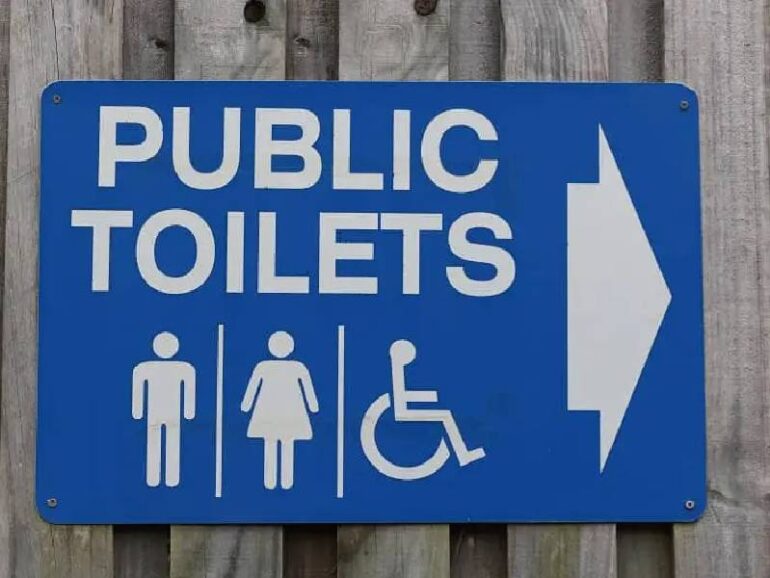
• Accessibility for persons with disabilities.
• Sustainable financing for maintenance and cleaning.
In other words, the law regulates toilets inside buildings, but does not adequately address toilets in public spaces.
Why public toilets matter
The importance of well-managed public toilets extends far beyond convenience.
First, they are essential to public health. Inadequate sanitation facilities can lead to unhygienic conditions and environmental contamination.
Second, they affect tourism. Oman is rightly investing heavily in developing its tourism sector. Visitors who travel to beaches, wadis, mountains and heritage sites or simply traveling from Muscat to the UEA boarder or Salalah expect basic amenities. Clean and accessible toilets are among the most fundamental of these.
Third, they contribute to urban dignity and inclusiveness. Elderly people, pregnant women, families with children and people with medical conditions often depend on reliable access to sanitary facilities. A city that lacks such facilities becomes difficult for many people to enjoy.
Finally, the availability of clean public toilets reflects something deeper: a society’s commitment to civic respect for shared spaces.
Infrastructure alone is not enough
It is important to note that the solution is not simply building more toilets. Experience from many countries shows that poorly managed facilities quickly deteriorate.
Successful public sanitation systems usually include three elements:
1. Clear standards for construction and accessibility
2. Clear standards for maintenance and cleaning
3. Accountability for operations and supervision
Some countries also adopt innovative approaches such as public-private partnerships, modest user fees for maintenance or digital systems that allow citizens to report cleanliness issues.
A national opportunity
Oman has an opportunity to address this issue as part of its broader commitment to urban development and tourism.
A national or municipal Public Sanitation Facilities Framework could establish clear guidelines on:
• location planning for public toilets in parks, beaches and tourist sites;
• design standards, including accessibility for people with disabilities;
• hygiene and maintenance requirements;
• operational responsibility and funding mechanisms.
Such a framework would not require large investments compared to other infrastructure projects, yet it would have an immediate and visible impact on the daily experience of residents and visitors alike.
A small detail that reflects a big vision
Public toilets may seem like a minor aspect of urban development. Yet history shows that the quality of sanitation infrastructure is one of the most reliable indicators of a society’s attention to public welfare.
There are obviously some low hanging fruit that could be a starting point in this regard, namely petrol stations. In my humble view, it makes more business sense to have sufficient and clean toilets as it would attract more customers.
As Oman continues its journey of development and modernisation, ensuring that our public spaces include clean, well-maintained sanitary facilities would be a small but meaningful step towards enhancing both public health and national hospitality.
Sometimes, the true measure of a city is found not only in its grand buildings and highways, but also in how well it takes care of the most basic needs of its people.
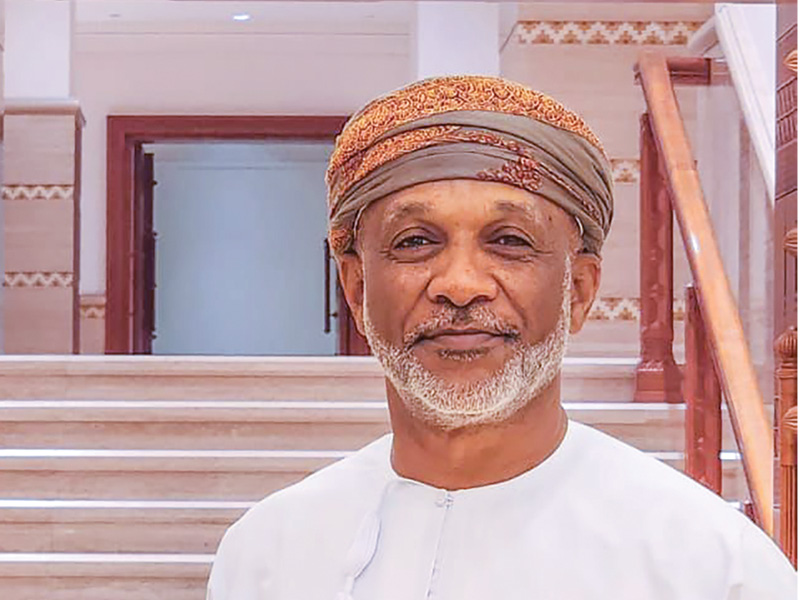
(The writer is the chairman of the Oman Office of Trowers & Hamlins and a senior legal practitioner with over 40 years of experience in the legal profession. He is also a board member of a number of companies. Toky writes on legal, social and public policy issues.)
© 2021 Apex Press and Publishing. All Rights Reserved. Powered by Mesdac