 By OUR CORRESPONDENT
Muscat – For a new generation of Omani artists, the search for a distinctive visual identity is unfolding through faces, pencil strokes and the flowing forms of Arabic letters.
Portrait artist Suwaid bin Masoud Al Yarubi, pencil artist Khawla Mohammed Ali and calligrapher Marwa bint Abdullah Al Hosni work in different mediums, but their journeys share a common thread: drawing on human emotion and Omani cultural references while exploring the possibilities offered by modern technology.
Al Yarubi’s journey into portraiture began in 2014 when he wanted to create a lasting gift for a friend. What started as a personal gesture gradually developed into an artistic path centred on preserving faces, expressions and memories.
Before beginning a portrait, he studies proportions, distances and the distinctive details that give a face its individuality. For him, resemblance alone is not enough; the artist must also understand the character and emotion being portrayed.
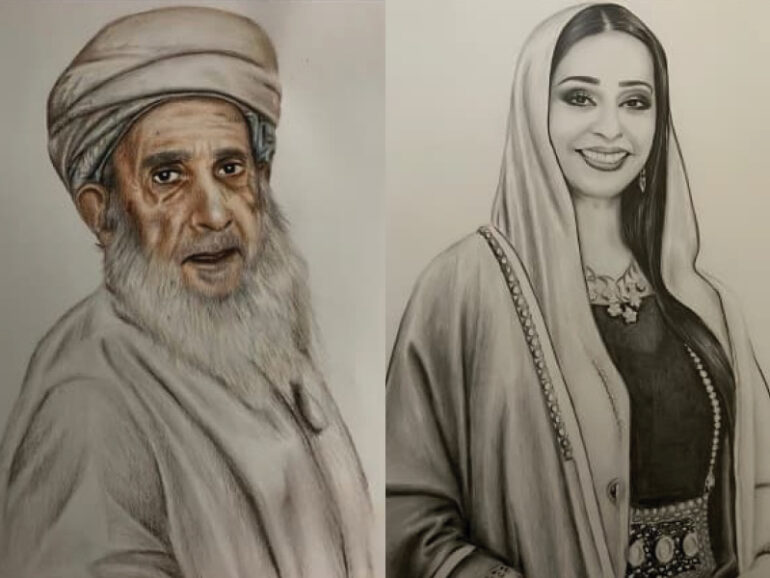
Skin presents one of his greatest technical challenges, particularly when colour is involved. Building realistic tones requires multiple layers, while age brings additional details, including wrinkles that can become part of the story of a face.
One of his most valued works, The Story of a King, was completed over four consecutive days and focused on the face of an elderly man, allowing him to explore age, expression and realism.
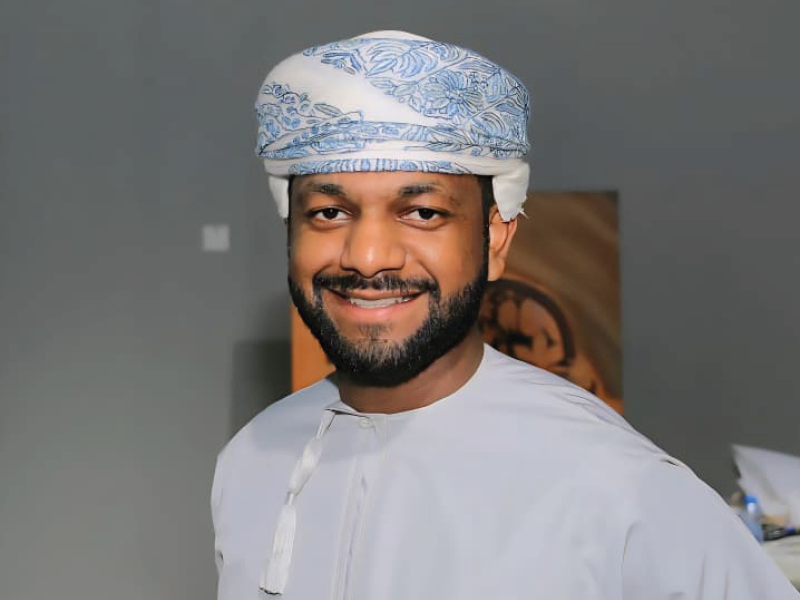
Al Yarubi (in photo above) does not see artificial intelligence or digital technology as a threat to hand-drawn art. Instead, he uses such tools to refine ideas and adjust reference images before beginning a work, while maintaining that the handmade original retains the individual mark of the artist.
Khawla, meanwhile, is drawn to graphite and the expressive possibilities of black and white. Portraits dominate her work, with shadow and light used to build depth and bring out emotion in the human face. Omani figures from different age groups also feature prominently.
Her drawings can take a week to two weeks or longer, beginning with faint lines before gradually developing through shading, highlights and finer details.
Although she appreciates digital art, Khawla remains attached to traditional drawing because of the direct sensory relationship it creates between artist and material. She hopes to participate in international exhibitions and eventually establish her own studio.
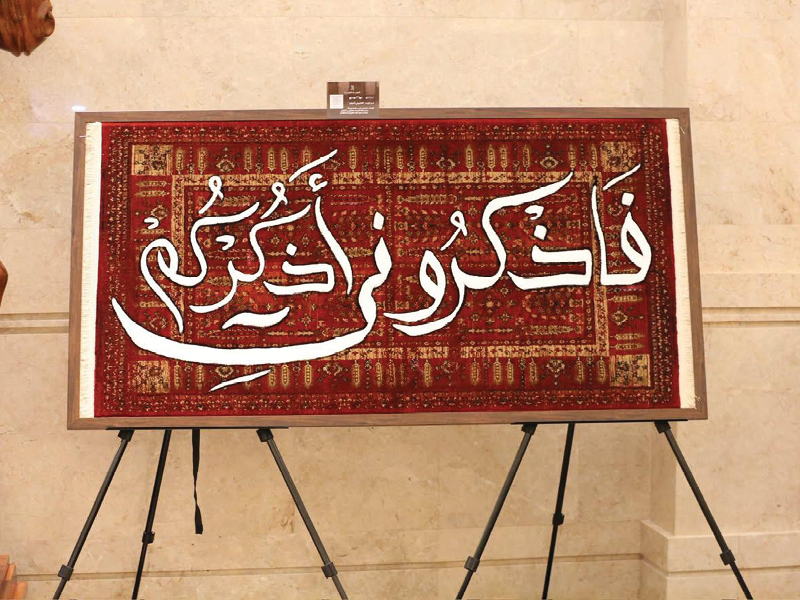
Marwa has chosen a different path, transforming Arabic calligraphy from written language into visual composition. Her formal engagement with calligraphy began around 2022, after an early childhood interest in handwriting and letter forms.
For her, the Arabic letter is not merely something to read but also something to see. Curves, extensions, balance and empty spaces become part of the artwork, allowing meaning and visual form to coexist.
Together, the three artists reflect a wider movement among young Omanis: preserving the authenticity of traditional tools while using contemporary technology to develop individual artistic voices and reach wider audiences.
© 2021 Apex Press and Publishing. All Rights Reserved. Powered by Mesdac