 By HUBERT VAZ
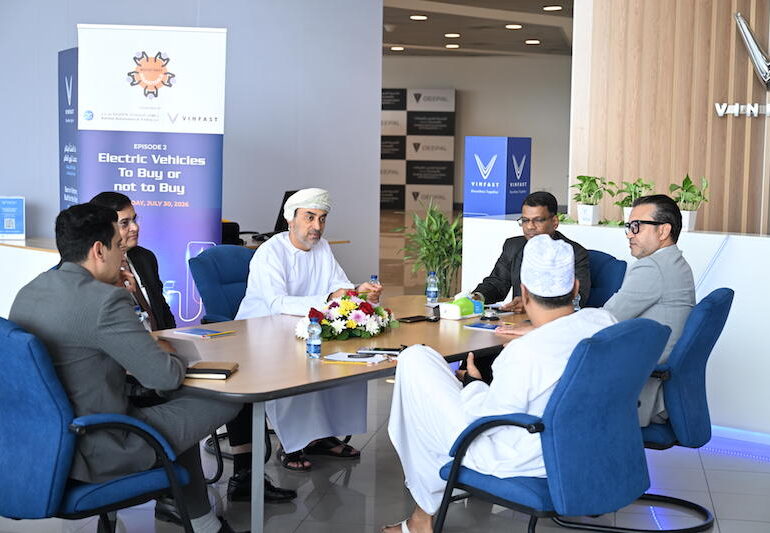
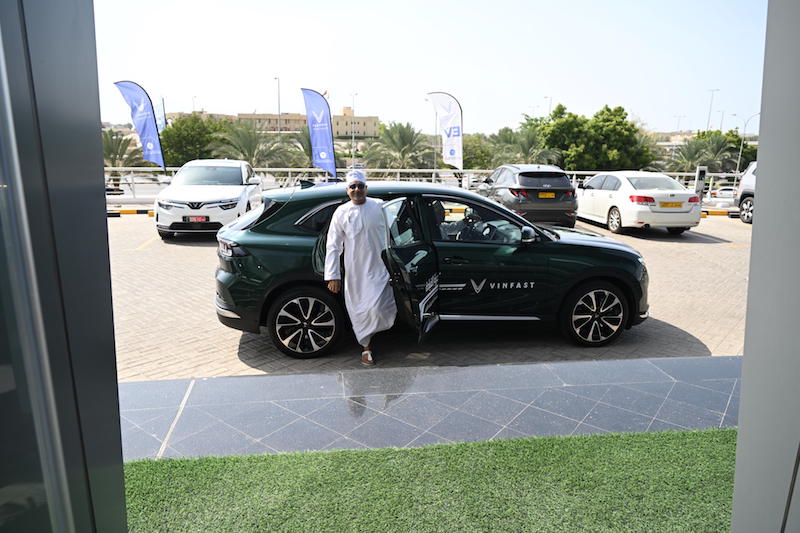
The second edition of Muscat Daily Roundtable, on ‘Electric Vehicles – To Buy or not to Buy’, held at the VinFast showroom in Al Qurum, on July 30, explored the myths, opportunities, and challenges surrounding electric mobility in the sultanate. Hubert Vaz recaps the essence of the discussion which ultimately pointed towards Electric Vehicles as the future of mobility in Oman
The transition to electric mobility is no longer a distant global trend – it is steadily becoming a practical reality for countries across the world and Oman, too, is slowly coming face to face with this.
The journey towards widespread electric vehicle (EV) adoption in Oman, however, presents a unique blend of opportunities and challenges. While global manufacturers continue to introduce technologically advanced models and governments accelerate the shift towards cleaner transport, Omani consumers remain cautious, asking fundamental questions about affordability, battery life, charging infrastructure and long-term value. Somehow environmental concerns have occupied a backseat.
Petrol remains relatively inexpensive in Oman compared to many international markets, public charging infrastructure is still evolving, and the country’s intense summer temperatures do raise questions about battery performance. At the same time, the sultanate’s abundant solar energy potential, growing focus on sustainability, and increasing availability of EV models indicate that the country is well-positioned to become an important player in the region’s electric mobility landscape.
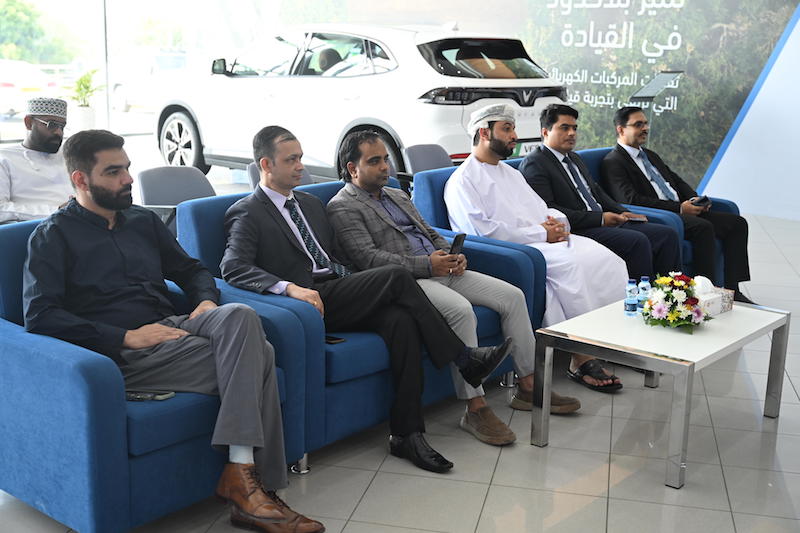
Recognising the need for informed discussion rather than speculation, Muscat Daily convened its second roundtable discussion titled ‘Electric Vehicles – To Buy or Not to Buy’ on July 30 at the VinFast showroom in Al Qurum. Held between 3pm and 5pm, the forum brought together leading experts from different segments of the EV ecosystem to examine the realities of electric vehicle ownership in Oman and address some of the most common questions prospective buyers continue to ask.
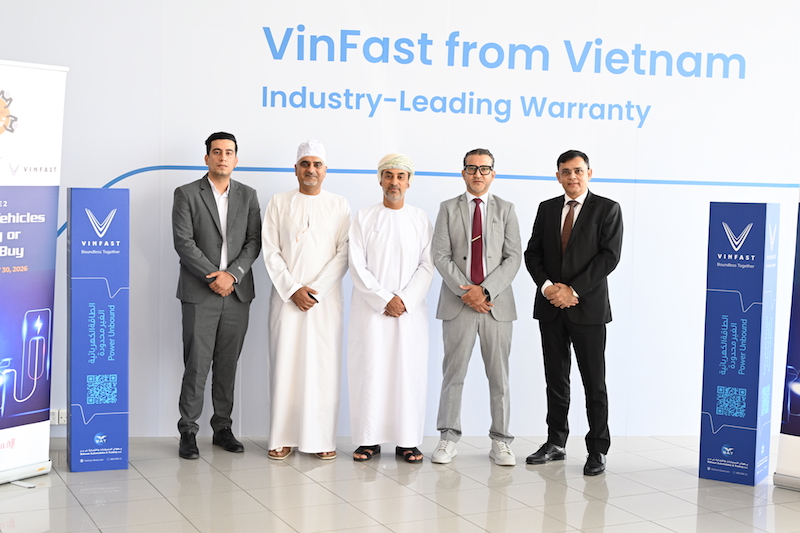
The participants included Adeel Irshad, Chief Operating Officer of EV Technology, Salah al Farsi, Vice President of Bahwan Automobiles and Trading (VinFast) – the key sponsor of the event, Hussain Al Lawati, Founder of the EV Group App, Ali Chenani, EV Group Technical Expert, and Gautam Palicha, an EV expert from Bahwan Automobiles.
Drawing upon their technical expertise, industry experience and consumer interactions, the panel explored four key themes that often influence purchase decisions – the higher upfront cost of EVs, battery longevity in Oman’s extreme climate, charging infrastructure for everyday and long-distance travel, and the resale value of electric vehicles.
Looking beyond the price
For many prospective buyers, the first obstacle to EV ownership is the sticker price. Electric vehicles generally command a higher upfront cost than comparable petrol-powered cars, leading many consumers to question whether the investment makes financial sense.
The panel acknowledged that purchase price remains one of the biggest psychological barriers to EV adoption. However, they agreed that evaluating an electric vehicle purely on its showroom price presents only part of the financial picture.
The discussion highlighted that buyers should instead consider the vehicle’s total cost of ownership over several years. While the initial investment may be higher, the running costs of an EV are significantly lower. Home charging costs only a fraction of what motorists spend on petrol, allowing owners to realise substantial fuel savings over the lifetime of the vehicle.
The experts also pointed out that fuel is only one component of the savings equation. Electric vehicles have far fewer moving parts than conventional internal combustion engine vehicles, eliminating the need for regular engine oil changes and reducing routine servicing/maintenance. Lower maintenance costs, fewer mechanical components subject to wear and tear, and simplified servicing collectively contribute to considerable long-term savings, they pointed out.
The panel, however, predicted that as more manufacturers enter the EV market and production volumes continue to increase globally, purchase prices are expected to become increasingly competitive. The arrival of newer, more affordable models is already beginning to reshape consumer perceptions, making electric mobility accessible to a wider range of buyers, Salah Al Farsi asserted, hinting at attractive offers from Vinfast were round the corner.
EV batteries love the summer heat
Perhaps no question generates more concern among potential EV buyers in Oman than battery performance during the country’s scorching summer months, when temperatures frequently exceed 45 degrees Celsius.
The panel, however, pointed out that while the concern is understandable, modern electric vehicles are specifically engineered to operate in diverse climatic conditions, including extreme heat. “Heat is good for the battery life of an EV, Hussain Al Lawati said, adding, “Colder climates, on the other hand, are not conducive towards optimum battery performance.”
Adeel Irshad also explained that today’s EV batteries are equipped with sophisticated thermal management systems designed to regulate battery temperature and maintain optimal operating conditions. These systems help protect battery health, ensuring consistent performance despite challenging environmental conditions.
The discussion also addressed the common perception that hot weather dramatically reduces driving range. While battery efficiency can be affected under extreme conditions, Ali Chenani observed that the reduction is generally manageable and forms part of the normal operating characteristics of electric vehicles.
With regard to a query that excess use of air-conditioning in hot climates could affect driving range, participants indicated that the impact on driving range is rather insignificant. Modern EVs are designed to balance passenger comfort with energy efficiency, allowing owners to comfortably use climate control without experiencing dramatic reductions in range, they asserted.
Collectively, the experts emphasised that advances in battery technology have significantly improved reliability, making today’s electric vehicles well suited for Oman’s demanding climate. And Al Farsi pointed out that EV batteries are given longer duration warranties (ten years) against that of the car itself.
Charging infrastructure concerns
Charging infrastructure remains one of the most frequently discussed aspects of electric mobility, particularly for motorists considering travel beyond their daily commute. As of now, home charging facilities are sufficient to take care of travel around the city all day long without any hassle or range anxiety.
The panel said one of the greatest advantages of EV ownership is the convenience of home charging. For most owners, charging overnight provides more than sufficient energy for everyday driving, effectively allowing the vehicle to begin each day with a full battery. This convenience removes the routine visits to fuel stations that conventional vehicle owners need to face.
Long-distance travel within Oman, however, presents a different challenge. Adeel pointed out that while Oman is taking steps towards expanding its charging network, public charging infrastructure between major cities currently remains very limited and that some facilities are often found out of order. Hence, routes connecting Muscat with destinations such as Salalah, Sohar and other regional centres will require a denser network of fast-charging stations before long-distance EV travel becomes as seamless as conventional motoring, though shorter routes, like going to Dubai can be managed without hassles, he said.
Participants expressed the hope that, as more electric vehicles enter the roads, investment in public charging facilities is expected to accelerate. Participants also discussed the importance of creating a more unified charging ecosystem that simplifies the customer experience. A streamlined local payment solution, supported by platforms such as the EV Group App, represents an important step towards making public charging more convenient and user-friendly.
The used EV market
For many buyers, purchasing a vehicle involves thinking well beyond the first few years of ownership. And resale value remains an important consideration. In this regard, EVs are often subject to questions regarding depreciation and the strength of the second-hand market.
The panel, however, were of the opinion that the used EV market in Oman is still in its early stages, largely because electric vehicle ownership itself remains relatively new. The situation will evolve naturally as adoption increases and more vehicles are bought and sold, they felt.
One of the strongest factors supporting future resale values, they observed, is the improving longevity of modern EV batteries. With battery technology now offering operational lifespans extending to around ten years or more under normal usage, concerns regarding battery replacement are gradually diminishing.
When viewed over such a lifespan, the cumulative financial benefits become increasingly compelling. Significant savings on fuel, reduced maintenance expenses, and fewer servicing requirements together contribute substantial value throughout the ownership period, they agreed.
The experts therefore suggested that buyers should consider the overall economics of ownership rather than focusing solely on the eventual resale price. Even if resale values continue to mature over time, the savings accumulated during ownership can comfortably justify the initial investment, they argued.
The inevitable shift
Although each discussion topic generated different viewpoints and practical observations, a clear consensus emerged by the end of the session. The experts agreed that electric vehicles represent the future of personal mobility, not simply because of environmental considerations but because of the broader economic and technological advantages they offer.
For younger generations, in particular, electric mobility aligns with changing consumer expectations. Buyers increasingly seek vehicles that are economical to operate, technologically advanced and convenient to own. The reduced servicing requirements, lower running costs and quieter driving experience offered by EVs appeal strongly to consumers looking for practical long-term value.
Participants also noted that as manufacturing scales up worldwide, vehicle prices are expected to become increasingly competitive, reducing one of the principal barriers to wider adoption. Simultaneously, charging infrastructure is likely to expand in response to growing demand, making ownership even more practical across the sultanate.
Driving towards tomorrow
The Muscat Daily roundtable highlighted that the conversation surrounding electric vehicles in Oman has matured considerably. Instead of asking whether electric vehicles work, consumers are increasingly asking do they make financial and practical sense.
The discussion demonstrated that while legitimate concerns remain regarding purchase cost, charging infrastructure and resale value, many misconceptions surrounding battery durability, operating costs and long-term ownership are gradually being replaced by informed understanding supported by technological progress.
As Oman advances its sustainability ambitions and continues investing in renewable energy, electric mobility is expected to become an increasingly important component of the country’s transportation landscape and a smart way of living. At present, more education of prospective buyers is key towards changing mindsets and adopting a new way of mobility.
“The regional society is a car-loving society. And the consumer, regionally, is pro-gasoline cars – they like the sound of the engine. It is, hence, important how we educate the consumer with regard to not just a new way of mobility with EVs, but also renewable energy, hydrogen economy, waste management and the electric grid to go solar. All these factors help reach Oman’s sustainability goals of Vision 2040, as well as the net zero Global Vision 2050.
Adeel Irshad, COO, EV Technology
“Concerns regarding EVs, are not only about the cost, but also about the environment. That’s why a lot of brands have employed green energy, to convince the customers about steps towards conserving the planet. Customers today have multiple choices from PHEVs (Plug-in Hybrid EVs) to full EVs, and it is not just the new generation, but the older generation, too, which seek to cut fuel costs, as cost of living has gone up in the GCC.
Salah al Farsi, VP, Bahwan Automobiles and Trading
“I don’t think that the main reason for people buying EVs is ‘green’. I am a tech guy, and I need mobility, whether via a car or bike, and for me, the green issue doesn’t even exist. I am, indeed, impressed with this technology – after 150 years of ‘ice machines’ (petrol/diesel cars), we have a technology that is worth looking into. I am an alpha tester, and I entered into this fray mainly to be able to do business with it.”
Hussain Al Lawati (Founder, EV Group App)
“It is important that consumers are educated about the benefits of using EVs, but it needs to be started at the grassroots level. Children, too, in schools, need to be educated about the benefits of using EVs, that by using EVs, you are ultimately saving for yourself and for future generations. That education and awareness is slowing coming in Oman and, by and by we will see people transiting towards this new way of mobility.
Gautam Palicha (Expert on EV, Bahwan Automobiles)
“With regard to long distance travel, the existence of charging facilities between cities is every important for people to use EVs, though the bulk of charging needs to be done at home, before taking up long routes. Right now, it is the beginning for use of EVs in Oman. And as per information we currently have, there are about 300 charging facilities across Oman, while there are around 9000 vehicles (EVs and hybrids) on our roads.”
Ali Chenani (EV Group – Technical expert)


© 2021 Apex Press and Publishing. All Rights Reserved. Powered by Mesdac