
 By OUR CORRESPONDENT
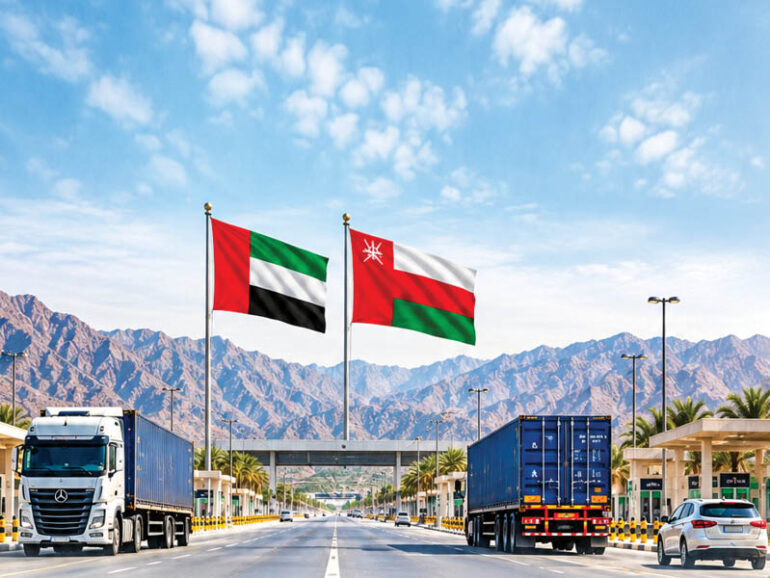
Muscat – A new logistics corridor linking Oman and Sharjah has handled more than RO178mn worth of goods in its first three months, as businesses increasingly use the land-sea route amid disruptions and uncertainty around the Strait of Hormuz.
The corridor, launched by the Sharjah Ports, Customs and Free Zones Authority in cooperation with Oman Customs, processed more than 32,000 customs declarations and facilitated the movement of over 34,000 trucks between May 17 and August 17.
The value of goods moved through the corridor reached RO178.16mn, up 66.26% from the same period last year, indicating growing use of the route by businesses engaged in Oman-UAE trade.
More than 200 new importer codes were also registered during the period, reflecting increased participation in the cross-border trade network.
The corridor was established to provide an alternative and more efficient route for cargo movement between Oman and the UAE, particularly as regional shipping and supply chains face uncertainty linked to the Strait of Hormuz.
It connects Oman’s ports and industrial zones with Sharjah’s ports and land transit network through the Khatmat Malaha border crossing. Sharjah Port is less than 70km from the border, allowing cargo to move relatively quickly from the crossing to the port.
One of the key incentives is an exemption from truck transit fees, helping reduce transport costs for operators. The corridor also integrates customs and transportation procedures to shorten clearance and transit times.
The initiative brings together Sharjah Ports, Customs and Free Zones Authority, Sharjah Roads and Transport Authority, the UAE Federal Authority for Identity, Citizenship, Customs and Port Security, and Oman Customs.
Authorities said the integrated land-sea route is intended to reduce waiting times at border points, accelerate customs clearance and improve supply chain efficiency.
The corridor also strengthens the connection between Oman’s road network and industrial hubs and Sharjah’s maritime infrastructure, with Sohar Port continuing to serve as a key gateway for Oman’s import and export activity.
The strong first-quarter figures point to rising demand for faster and more cost-efficient overland trade routes as businesses seek greater flexibility in moving goods across the region.
© 2021 Apex Press and Publishing. All Rights Reserved. Powered by Mesdac