 By M NAJMUZ ZAFAR
Taipei, Taiwan – Oman can serve as a role model for partnership in the Middle East for the Republic of China (Taiwan), according to a senior official at Taiwan’s Ministry of Foreign Affairs.
Speaking to Muscat Daily, which was invited for a fam trip to the island country, Yunbo Chen, Deputy Director General of the Department of West Asian and African Affairs, said bilateral trade between Oman and Taiwan was flourishing, reaching approximately US$2.7bn in 2025.
“Now we are working to help Oman develop its semiconductor industry,” he informed.
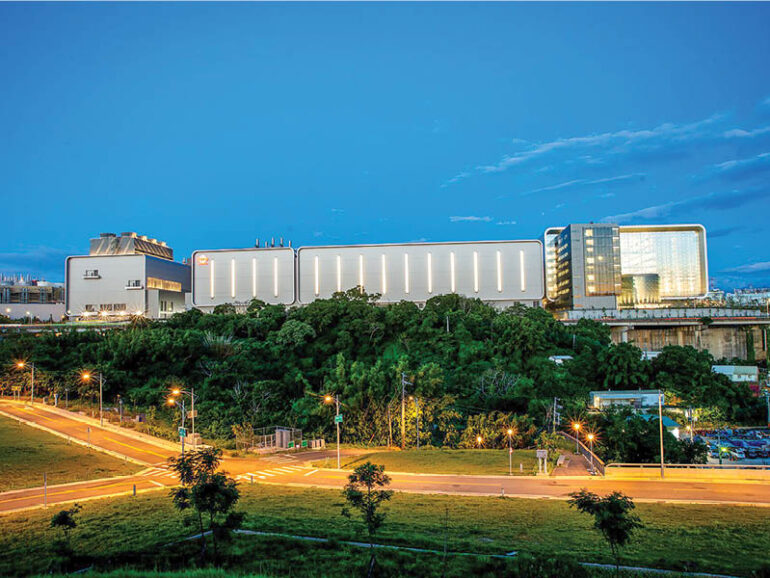
Taiwan is a global hub for semiconductor manufacturing, producing more than 90% of the world’s most advanced microchips. It hopes to share its technological expertise with Oman as the sultanate seeks to develop the sector.
“The Omani government is interested in developing a semiconductor industry and has expressed hope that Taiwan could send an expert with industry background and practical experience to Oman,” Chen said.
The expert would help formulate a semiconductor development strategy and roadmap, and assist in establishing Oman as a competitive semiconductor hub. “The proposal is still under discussion between the two sides and has not been finalised,” Chen added.
Cooperation between the two countries currently focuses on semiconductor talent development and educational exchanges. Over the past two years, Taiwanese semiconductor experts and academics have visited Oman to deliver lectures, while more than 20 Omani students travelled to Taiwan for a month-long training programme.
“Drawing on its industrial strengths, Taiwan is committed to supporting the development of Oman’s semiconductor industry and helping nurture core talent across various fields in support of Oman Vision 2040,” Chen said.
Educational ties are also expanding. In 2025, Oman’s Ministry of Education recognised the qualifications of five Taiwanese universities.
“Since then, universities and research institutions on both sides have signed MoUs, giving Omani students more opportunities to study and intern in Taiwan,” Chen added.
Bilateral trade is complementary, with Taiwan importing raw materials from Oman, including mineral fuels, mineral oils, petroleum products, metals and ores. Its exports to Oman consist mainly of industrial goods, including vehicles and parts, petrochemicals, machinery and information and communications technology (ICT) products.
Interacting with media representatives during the fam trip, Lin Chia-lung, Taiwan’s Minister of Foreign Affairs, acknowledged that the island’s engagement with countries in the Middle East remained limited.
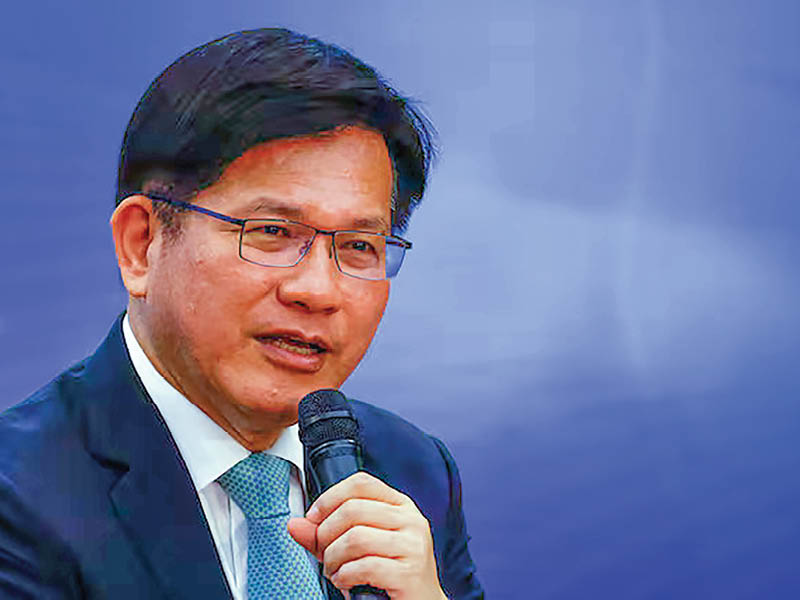
“This does not mean that we do not have offices there. But in terms of engagement between our government and the countries in the Middle East, we have not been able to engage very effectively. That is why it has been difficult for us to develop economic relations with these countries as well,” Lin said.
However, he believes global economic priorities are shifting in response to changes in energy policies and geopolitics, with semiconductors, artificial intelligence and digital technology becoming increasingly important.
“I believe that for the development in these areas, Taiwan would be the best partner for countries in the Middle East. But we have not seen partners emerge in the region,” Lin said.
“If we are able to find such a partner country, we would invest. We would put all our resources into that country, whether it is Saudi Arabia, Oman, Qatar or any other country,” he added.
© 2021 Apex Press and Publishing. All Rights Reserved. Powered by Mesdac