 By OUR CORRESPONDENT
Muscat – The English-language public edition of Oman’s National Risk Register has been launched, outlining 13 categories of risk that could affect public safety, essential services and the sultanate’s resilience to emergencies.
The publication aims to familiarise residents and visitors with potential threats and the preventive measures required before, during and after emergencies. It also seeks to raise public awareness and promote a culture of preparedness.
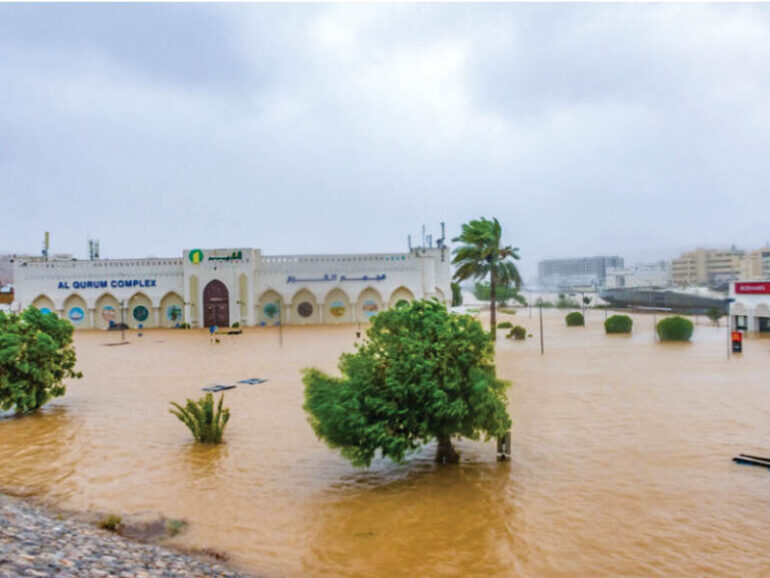
The register covers natural hazards, including cyclones, depressions, floods, earthquakes and tsunamis, as well as disruptions to electricity, water and telecommunications services. Other risks include human and animal epidemics, food contamination, oil spills, chemical releases, radioactive or nuclear contamination, industrial fires and explosions, maritime and aviation accidents, and adventure tourism accidents.
The edition outlines the roles of relevant authorities in monitoring risks, issuing warnings and coordinating emergency responses. It also stresses the importance of public cooperation and compliance with official instructions.
Abdullah bin Mubarak Al Hashmi, coordinator of the basic services sector at the National Risk Register, said the National Framework for the Governance of Enterprise Risk Management would help address gaps identified across sectors and establish common requirements for improving risk management.
He said harmonising terminology and procedures was a key benefit of the framework, helping overcome differences in institutional methodologies and strengthen coordination between entities.
Al Hashmi described resilience as the ability to recover after a crisis or disaster, saying it depended on preparedness, integrated institutional and sectoral frameworks, unified procedures, and adequate financial and human resources.
He also highlighted the importance of legal and regulatory frameworks in ensuring that basic services providers adopted risk management and business continuity measures. Regulators are working to establish requirements that enhance coordination and joint action between institutions.
The framework is expected to improve preparedness and resilience across natural, industrial, economic and financial risks, while supporting institutions in reducing potential impacts and maintaining essential services.
Together, the public register and the wider risk management framework reflect Oman’s efforts to strengthen risk awareness, improve institutional coordination and enhance readiness for emergencies.
© 2021 Apex Press and Publishing. All Rights Reserved. Powered by Mesdac