Social media has recently been flooded with AI generated images inspired by the enchanting world of Studio Ghibli. Many users have turned to ChatGPT’s image tools to create stunning visuals that mimic the signature hand-drawn aesthetic of Hayao Miyazaki’s beloved films.
However, while these AI-generated artworks may be visually appealing, they contradict the very principles on which Studio Ghibli was built. The irony of using artificial intelligence to replicate the deeply human art of Ghibli has not gone unnoticed.
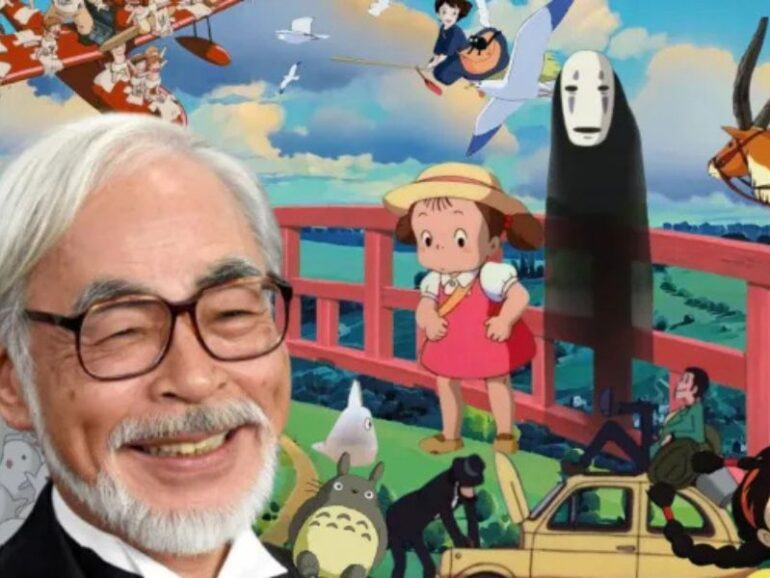
Hayao Miyazaki, the legendary filmmaker behind ‘Spirited Away’, ‘My Neighbour Totoro’, and ‘Princess Mononoke’, has long been critical of artificial intelligence in creative fields. In a 2016 documentary, he expressed his deep disdain for AI-generated animation, describing it as “an insult to life itself.”
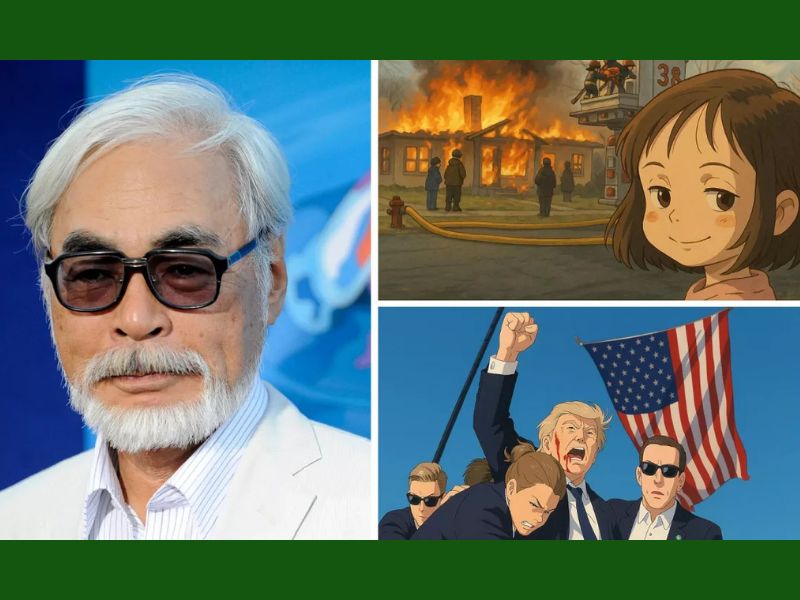
For Miyazaki, animation is a painstaking, intimate process that reflects human emotions, personal experiences, and hand-crafted artistry. The rise of AI generated Ghibli-style images directly challenges his philosophy, replacing dedicated craftsmanship with instant automation.
One of the defining characteristics of Studio Ghibli’s work is its commitment to traditional hand-drawn animation. Every frame in a Ghibli film is meticulously created by human hands, with attention to the smallest details—be it the flicker of candlelight, the sway of grass in the wind, or the expressive movements of characters.
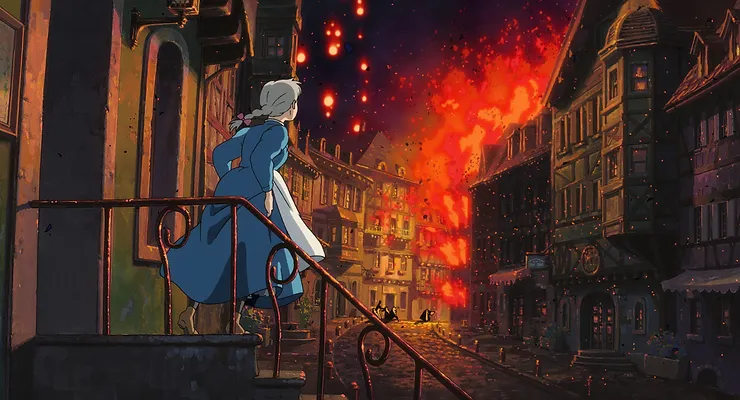
This dedication to imperfection and organic artistry is what makes Ghibli films feel so alive. AI-generated images, on the other hand, are often polished yet soulless imitations, capturing the look but not the spirit of Ghibli’s animation.
AI generated Ghibli style art has gained popularity because it evokes a sense of nostalgia. The soft colour palettes, dreamy landscapes, and whimsical characters are reminiscent of childhood memories spent watching Miyazaki’s masterpieces.
However, while Ghibli’s visuals are deeply tied to storytelling and emotional depth, AI-generated images lack that narrative foundation. They offer aesthetic satisfaction but without the soul, intention, or deeper meaning that defines true Ghibli art.
The virality of AI generated Ghibli style art raises an important question- Should AI be used to replicate established artistic styles?
While some view it as a tribute, others argue that it undermines the artistic integrity of the original works. Ghibli’s animation is the result of decades of skill, patience, and human creativity—qualities that AI cannot replicate. Moreover, there is the ethical dilemma of using AI to mimic the work of living artists without their consent. If AI can so easily reproduce the Ghibli aesthetic, does it devalue the labour of the animators who spend years mastering their craft?
AI generated Ghibli style images may be mesmerising, but they ultimately contradict the very essence of what makes Ghibli special. Miyazaki’s vision is rooted in human experience, painstaking detail, and artistic authenticity—elements that artificial intelligence cannot truly capture.
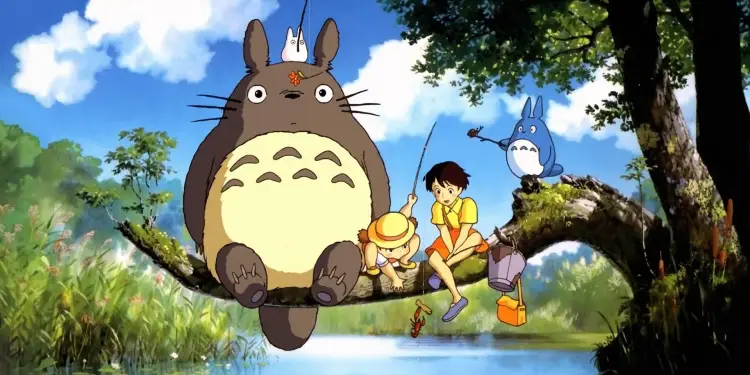
While AI art continues to evolve, it is unlikely to replace the irreplaceable: the human touch. Studio Ghibli’s magic lies not just in how it looks, but in the love and dedication behind every brushstroke.
© 2021 Apex Press and Publishing. All Rights Reserved. Powered by Mesdac