 By
By
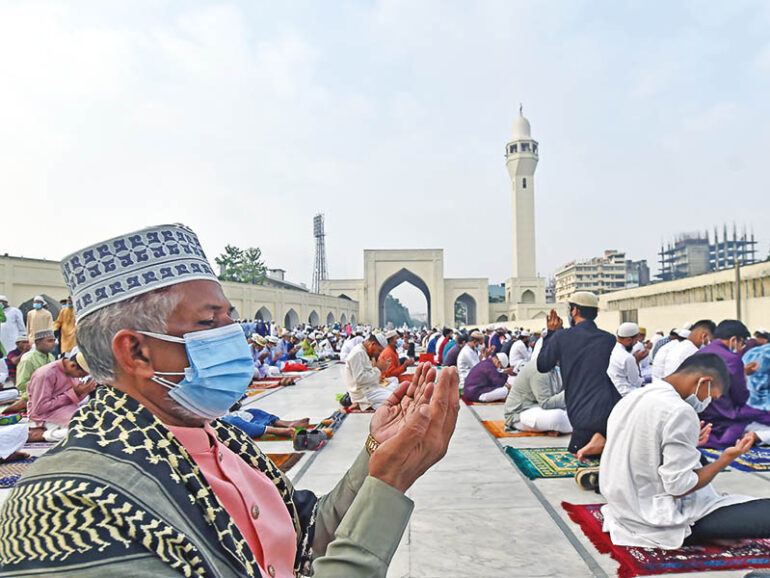
Muscat – As in many Muslim nations, Bangladeshi cities and villages come alive with lights and decorations in Ramadan. No other festival is celebrated on quite the same scale with masses of people participating in reciting the Quran at Taraweeh prayers.
Today’s edition of ‘Ramadan around the world’ explores how Muslims in Bangladesh take the opportunity during the month to spread peace and serenity. “Ramadan in Bangladesh is a time to strengthen bonds between family and friends. Muslims will often choose to use the opportunity to visit each other or get together for iftar,” said Emdad Bachchu, former cultural and sports secretary of Bangladeshi Social Club in Muscat.
Now based in Bangladesh, Bachchu told Muscat Daily, “Ramadan is a month when we overcome every barrier and come under one roof of brotherhood and understanding.”
He described jalebis – a deep fried dessert, piazi – deep-fried onions in a batter of gram flour, and beguni – fried slices of brinjal as special dishes prepared during the month.
“We start the day with Fajr prayers soon after suhoor and then have a short nap. During the rest of the day, we try to do good deeds. My brothers and I often go out to stations and bus stands and help people, irrespective of their class or faith,” Bachchu said.
Besides lending a helping hand, he also offers rides to some travellers. “Some need no help, but just need someone to hear them out or to discuss their day-to-day problems. Some people feel better just sharing their woes with random people. It makes them calm and peaceful,” Bachchu said.
In Bangladesh, Ramadan is considered an opportunity to unite people of different economic backgrounds and build bonds by hosting forums, discussions and talks. Everyone is invited to participate in the festival and understand its meaning.
Those who come from disadvantaged backgrounds are assisted financially so that they too can be a part of the celebrations. “Ramadan is a festival of giving, sharing, taking care of others, and educating the community about Islam,” Bachchu said.
He starts getting ready for iftar in the evening. “I often help my family members cook meals and immediately after Maghrib prayers, I break fast with my family.
“There are times when we also visit our relatives or they come to our home. It is a great time for family gatherings, which are practically impossible during normal times owing to work, children’s studies or some other commitment. After food, we chat steering away from anything unpleasant or any past bitter experiences,” he added.
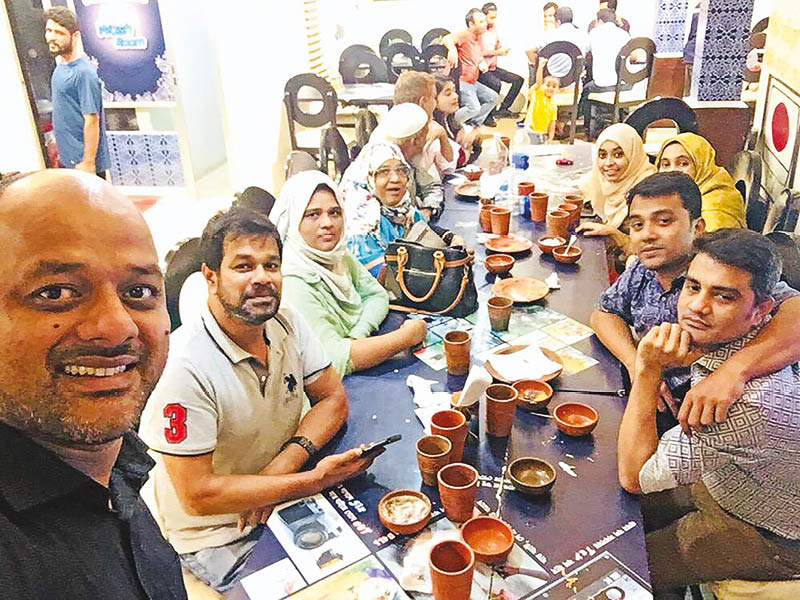
Bangladesh is a Muslim majority country where Islamic customs like iftar and other rituals of Ramadan are often performed as a community. “People gather to break their fast together or at iftar parties; they like to have iftar at home with family members. Iftar gatherings are also arranged by mosques. Iftar is had right after Maghrib, which is after sunset.”
In Bangladesh, a wide variety of dishes are prepared for iftar. Some of the dishes originated in other countries but have since been modified and customised to the Bangladeshi palate, including Ramadan kebabi (from Turkey), paomo (from China), kolak (from Indonesia), konafah (Middle Eastern countries) and shashlik (from Thailand and China).
In cities across Bangladesh, cooks preparing and selling traditional Ramadan items in front of shops in busy markets near mosques is a common sight. But through all the festivities, Bangladeshis remain keen to do good deeds during the month.
“Bangladesh is a generous country. Here, we have many small organisations that distribute food to the needy. In the evenings, queues of people form outside mosques for food. Such work is socially and spiritually enriching. I, too, am part of such an organisation that distributes food,” Bachchu said.
© 2021 Apex Press and Publishing. All Rights Reserved. Powered by Mesdac