 By
By
INTERVIEW WITH NATALJA KISSINA, HR VICE PRESIDENT FOR GULF, SCHNIEDER ELECTRIC
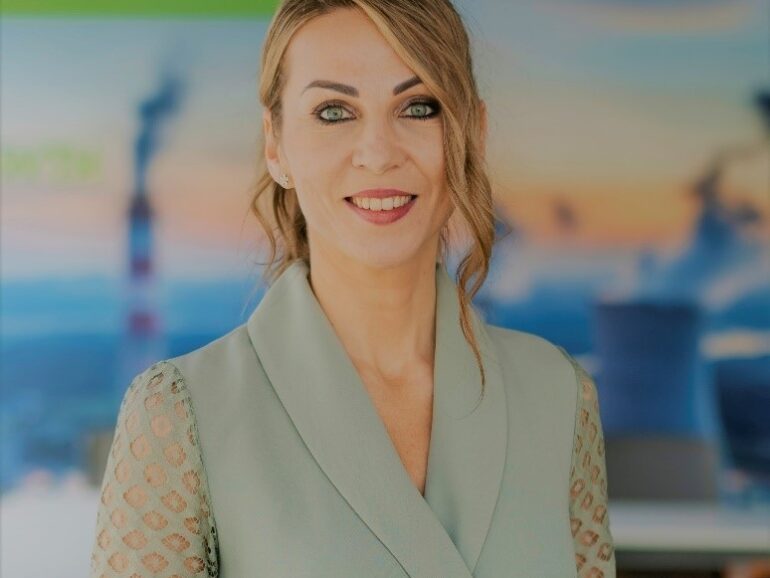
Muscat -Natalja Kissina is the HR vice president and sustainability leader for Schneider Electric in the Gulf. Natalja is well-known for her dedication to improving employee experiences in the organisations and contributing to long-term business growth. She will be speaking at the Wellbeing at Work Middle East Summit which will take place during February 21-23, 2022 in Dubai.
As a leader based in the region, what are the main challenges you are facing when it comes to employee wellbeing?
Considering the ongoing pandemic and new hybrid work environment across the globe, one of the key challenges we face is the human connection aspect. Working from home has meant that most employees only see and interact with their co-workers and managers through a screen, which can be very challenging as human beings are social creatures who thrive on face-to-face interaction. With this in mind, we ask our employees to come to the office three out of five days so they can benefit from seeing their colleagues and be together in safe working environment where they can collaborate, discuss and connect in-person. We also organised a successful mental health run late last year to highlight the importance of exercise and being outdoors for our employees’ mental health.
To this end, another key challenge we face is promoting a more active culture in the workplace. Workloads and more online meetings mean that many employees across the region sit for long periods of time, which is not ideal. We try to encourage movement through our various runs and regular wellbeing sessions, covering mental health, yoga, meditation, and other key stress relief techniques.
What strategies have you seen developing in the region over the past 6-12 months during the pandemic to address health and wellbeing in the workplace?
I have seen a bigger push from many global and local companies in the region with regards to giving employees more flexibility with their work schedules. This is wonderful as it allows employees a better work-life balance and ensures that caregivers and parents – especially – can provide and care for their families and dependents and manage their work at the same time. After all, flexibility is not solely about location; it is also about a series of arrangements to boost productivity while fostering inclusion and diversity in the workplace and realising that each employee has unique needs and different personal responsibilities.
I have also seen an uptake in the number of employee wellbeing and health related events and conferences taking place, which means these topics are becoming a key priority in the region, which is great to see. I also see a greater push for hybrid working plans by companies, both international and local.
Why is employee wellbeing so important to you personally?
For me personally, wellbeing is extremely important because employees who are happy and healthy create a positive and nurturing environment for the company. It’s quite simple: when our employees are doing well, so are we because they are the foundation of everything we do. Moreover, in my experience I have seen that investing considerably in employee wellbeing can lead to increased resilience, stronger employee engagement, reduced sickness-related absence and higher performance and productivity. But for this to be successful, employee wellbeing priorities must be integrated throughout an organisation. It should be embedded in its culture, leadership and people management strategy, which is exactly what we strive to achieve at Schneider Electric.
What are you most looking forward to about Wellbeing at Work Middle East Summit this month?
I am looking forward to connecting with like-minded individuals from the industry to sit down together and start a conversation on how we can support and increase the wellbeing of our employees given the new hybrid working environment we find ourselves in.
What is your vision for the workplace of the future, in terms of employee engagement, health and wellbeing?
I believe the workplace of the future is hybrid. In fact in 2021, Gartner announced from its research findings that there is no going back to the work model that prevailed before the pandemic. Companies that give employees the freedom to work from home are more attractive to potential employees and are not restricted to the local job market. From a sustainability and cost perspective, there are also gains as firms as less burdened by office space and business travel overheads. This set up also translates into an organisation that is eco-friendly and more sustainable and has a lower carbon footprint.
The pandemic has undoubtedly influenced all areas of employees personal and professional lives. What are the key learnings from this period and what are your tips for supporting each other through the uncertainty?
I think the pandemic has definitely affected us all in all aspects of our lives whether that be in terms of health, travel, work and life in general. One key takeaway is definitely the potential for feelings of isolation and detachment when working predominately at home and on your own. Work gives us a sense of shared purpose and a connection with other people. No matter what industry you’re in, a workplace is a community.
However, when team members are on their own at home, they start to feel more isolated. They can lose sight of the company vision and disengage from their workplace. Keeping this in mind, we made it a point at Schneider Electric to reach out to our employees during the pandemic through our internal communications channels and via regular monthly Gulf staff and wellbeing meetings to create a sense of togetherness and unity online.
How has your organisation been leading the way over the last 12 months?
In the past year, Schneider Electric has shined brightly in terms of employee wellbeing and fostering a healthy work culture. In October 2021 we won two Future Workplace Awards: Best Diversity and Inclusion Strategy and Best Employee Support Strategy.
Meanwhile, at the Happiness@Work Awards in November 2021 we were winners in the Best Workplace Wellness Programme category for the private sector, which was an absolute honour and a testament to all the hard work and efforts our team has put into wellbeing and wellness for our employees. These awards highlight our strong commitment to the happiness and wellbeing of our employees.
(Muscat Daily is the media partner of the Wellbeing at Work Middle East Summit. Readers can get a 25 per cent discount on tickets, use offer code MUSCAT25 and visit https://wellbeingatwork.world/summit/wellbeing-work-summit-middle-east-2022/#Tickets)
© 2021 Apex Press and Publishing. All Rights Reserved. Powered by Mesdac