 By HUBERT VAZ
The National Museum of Qatar provides an immersive journey through geology, archaeology, desert life, pearling, and modernisation, revealing how a nation remembers its remarkable past
With its spectacular desert-rose architecture, archaeological treasures, traditional objects and immersive films, the National Museum of Qatar offers more than a collection of artefacts. It presents the story of a country – its landscape, people, traditions, transformation and continuing aspirations as an experience.
For a country that has undergone an extraordinary transformation within a few generations, preserving and presenting its past has been particularly important. Before Doha became a modern metropolis of glass towers and ambitious cultural institutions, Qatar’s history was largely carried through archaeological sites, family collections, oral traditions and the memories of communities whose lives were shaped by the desert and the sea.
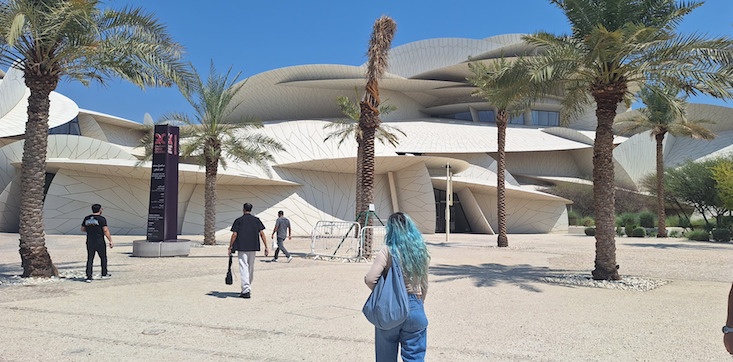
The first Qatar National Museum opened in 1975 in the former palace of Sheikh Abdullah bin Jassim Al Thani. The palace itself remains at the heart of the present museum, carefully conserved within Jean Nouvel’s extraordinary new structure. Inspired by the desert rose, the building’s interlocking discs seem to grow organically from the landscape.
Opened in 2019, the National Museum of Qatar was conceived not simply as a building to house objects, but as a place where the story of Qatar could be experienced by generations to come.
From fossils to first settlements
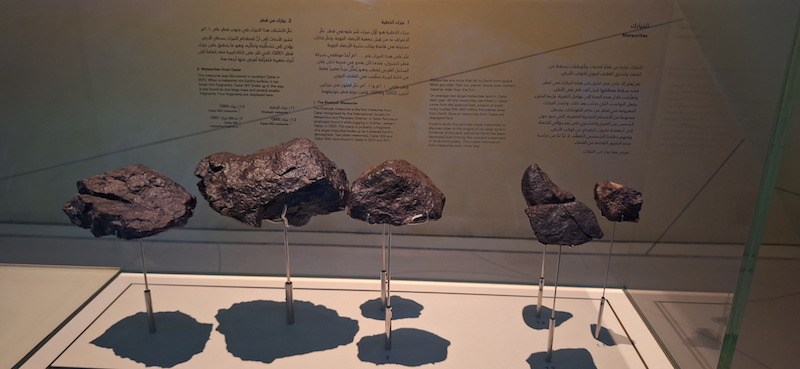
The journey begins much earlier than the emergence of the modern state. Its opening gallery, The Formation of Qatar, takes visitors back more than 700 million years, explaining the geological forces that shaped the peninsula. Fossils from different periods, including evidence of extinct creatures, help establish the extraordinary natural history beneath today’s Qatar. An art film also transforms this scientific story into an immersive visual experience.
The following gallery, Qatar’s Natural Environments, moves from geology to the landscapes and wildlife of the peninsula. Models of native animals and plants are accompanied by a spectacular life-size whale shark suspended above visitors. Films and interactive displays explore Qatar’s deserts, coastlines and marine habitats, emphasising the relationship between the environment and the people who have depended upon it.
Then comes The Archaeology of Qatar, where approximately 1,000 archaeological artefacts create a chronological record of human presence. Pottery, tools, ornaments and other discoveries tell of communities that lived, travelled and traded across the peninsula long before the oil era.
Stories of desert and sea
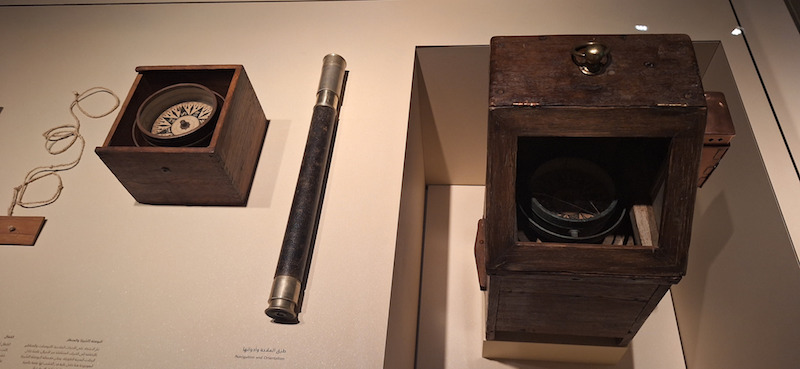
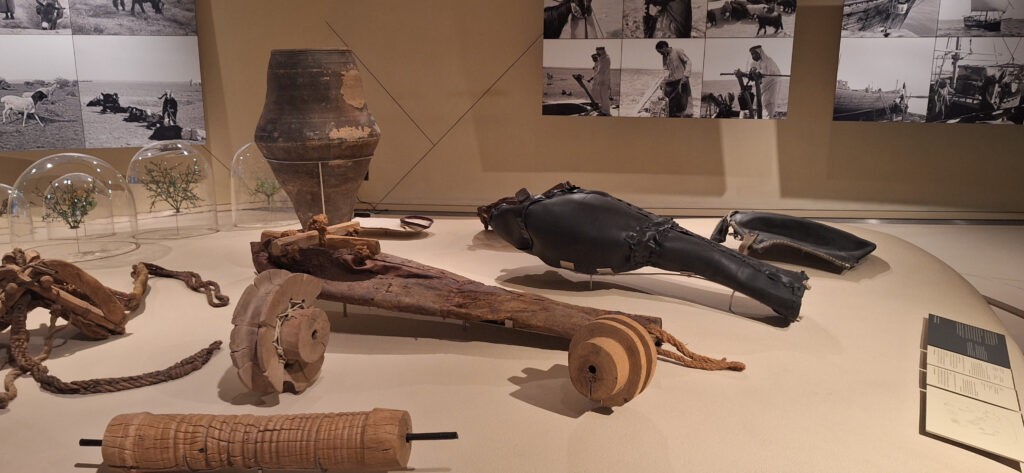
The museum becomes especially evocative when it turns to traditional life. Life in Al Barr recreates aspects of desert existence through objects associated with Bedouin life, including a complete tent, traditional clothing, falconry equipment, coffee-making paraphernalia and textiles.
In Life on the Coast, a large-scale model of Al Zubarah – Qatar’s UNESCO World Heritage site – evokes the historic trading and pearling settlement. Archaeological finds from the site reveal its commercial links and domestic life, while displays explore boat-building, fishing and pearling.
The museum does not romanticise the pearl-diving tradition. An immersive film takes visitors into the physical and emotional demands of the divers’ world, reminding them that the prosperity generated by pearls came at considerable human cost.
Among the museum’s remarkable individual objects is the Baroda Carpet, an extraordinary embroidered masterpiece containing more than 1.5 million natural marine pearls from the coasts of Qatar and Bahrain, along with precious stones including rubies, emeralds, sapphires and diamonds. Its presence provides an intriguing connection between Qatar’s pearl heritage and the wider artistic and commercial world of the Indian Ocean.
Some galleries (including gallery 7, which displays the carpet) are, however, currently closed for enhancement.
What makes the museum distinctive is the way artefacts are placed within this larger narrative. Films by internationally recognised directors, enormous projections, archival photographs, soundscapes and interactive displays ensure that visitors are not simply looking at objects behind glass.
A gulf story
For visitors from Oman, the experience inevitably invites comparison but not competition with the sultanate’s impressive museum landscape.
Oman’s National Museum in Muscat follows a broader and more collection-rich approach. Its 14 permanent galleries contain more than 7,000 objects, covering subjects ranging from maritime history, arms and armour and the aflaj to ancient history, frankincense, Islam, Oman’s relationship with the world, the Renaissance and intangible heritage.
Qatar’s approach is more concentrated. Its 11 galleries tell one national story, carefully selecting objects and combining them with film, sound, architecture and technology.
The National Museum’s story is, therefore, not finished. Digital resources, educational programmes and initiatives such as the NMoQ Metaverse are extending its reach beyond the physical building. The museum’s future lies increasingly in connecting its collections with younger audiences using new technology.
The building may resemble a desert rose, but its purpose is firmly rooted in the present – to ensure that as Qatar looks towards the future, it does not lose sight of the many layers of experience that brought it there.
© 2021 Apex Press and Publishing. All Rights Reserved. Powered by Mesdac