 By OUR CORRESPONDENT
Muscat – GCC countries are stepping up efforts to harness artificial intelligence and digital technologies to strengthen food security and improve the resilience of agriculture in one of the world’s most water-stressed regions.
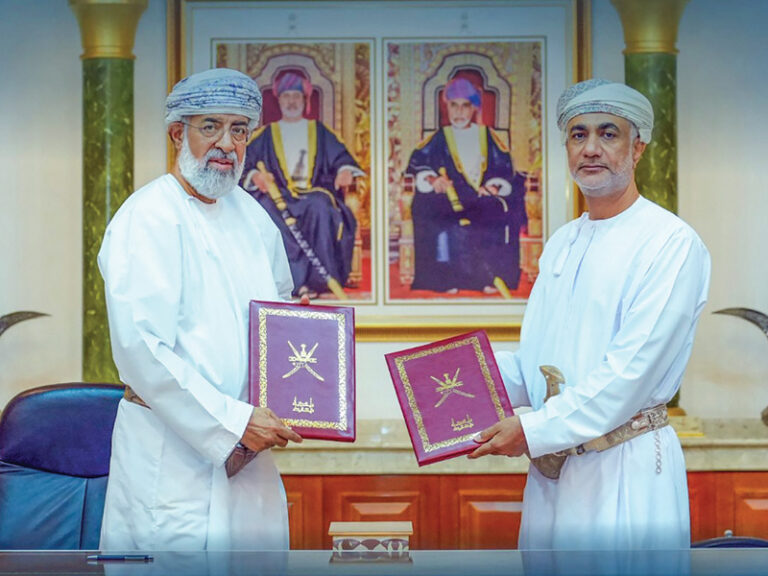
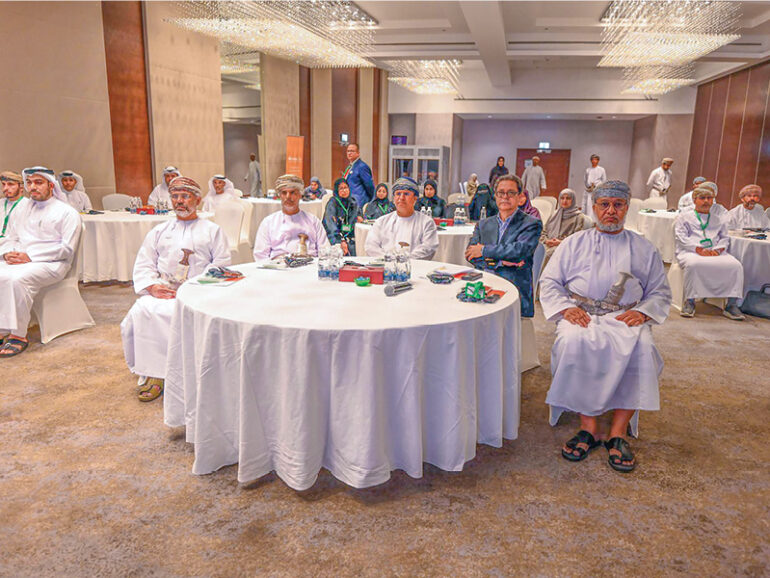
A three-day Gulf workshop on consulting services in the use of modern technologies and artificial intelligence in farm management opened in Muscat on Monday, bringing together representatives from GCC countries, the GCC Secretariat and the International Center for Agricultural Research in the Dry Areas (ICARDA).
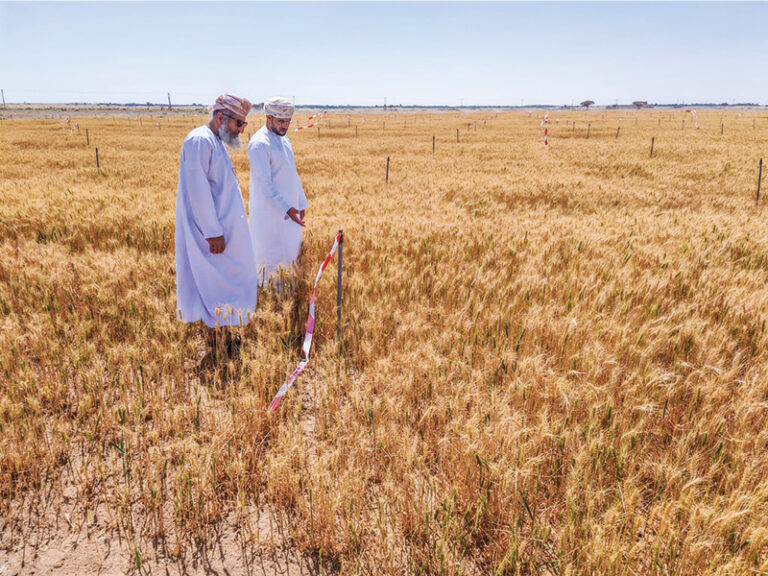
Held under the patronage of H E Dr Ahmed bin Nasser Al Bakri, Undersecretary for Agriculture in the Ministry of Agriculture, Fisheries and Water Resources, the workshop examined challenges facing agriculture across the Gulf, including water scarcity, rising salinity levels, higher temperatures, declining soil fertility and limited arable land.
Participants noted that the region’s heavy dependence on food imports has made the development of resilient and sustainable food systems a strategic priority for GCC states.
Discussions focused on a joint GCC-ICARDA project aimed at introducing and expanding the use of AI, the Internet of Things (IoT) and other digital technologies in farm management. The initiative seeks to boost productivity, improve crop quality and increase the efficiency of water and natural resource use.
The project forms part of the GCC’s drive towards smart agriculture and digital transformation in line with regional food security strategies. It aims to establish an integrated system for applying advanced technologies across agricultural operations in arid and semi-arid environments.
A key component of the initiative is capacity building, with plans to train technical specialists, agricultural extension officers and farmers in the practical use of AI-powered and digital farming applications.
The project is structured around four main areas: assessing the digital readiness of the agricultural sector, adapting technologies suited to Gulf environments, conducting field trials to evaluate promising innovations, and supporting knowledge transfer and policy development to expand the adoption of smart agricultural solutions.
During the workshop, participants reviewed evaluation methodologies and baseline studies, discussed priority technologies and digital platforms, and explored criteria for selecting pilot sites for field testing. They also examined governance mechanisms and implementation responsibilities to ensure coordination among participating countries.
Expected outcomes include the adoption of a unified framework for assessing digital readiness across GCC agricultural systems, the identification of priority smart technologies, and the development of an implementation roadmap outlining activities, responsibilities and timelines for the project’s various phases.
Officials said the initiative is expected to support the wider use of digital solutions in the management of open-field crops, orchards, date palm plantations and protected agriculture, while helping improve production efficiency and the sustainable use of natural resources.
Participants expressed hope that the workshop would pave the way for a five-year implementation plan and mark the beginning of a new phase of digital transformation in Gulf agriculture, driven by innovation and smart technologies to enhance food production and strengthen long-term food security.
The project builds on longstanding cooperation between GCC countries and ICARDA in areas including date palm development, water-use efficiency, modern irrigation technologies, protected agriculture, pest management and climate change adaptation.
© 2021 Apex Press and Publishing. All Rights Reserved. Powered by Mesdac