 By OUR CORRESPONDENT
Muscat – For generations, a secure job meant one employer, a steady salary and a career path stretching towards retirement. For a growing number of young Omanis, that formula is being rewritten.
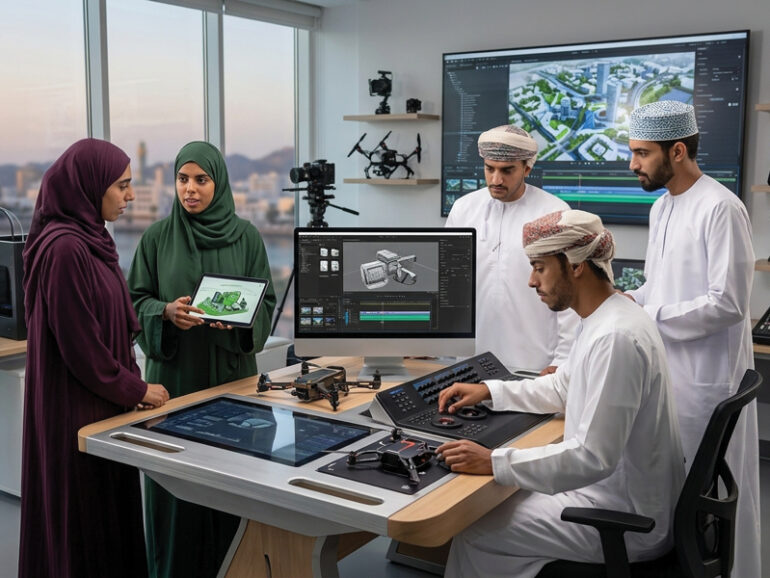
Artificial intelligence, automation and the digital economy are reshaping not only where people work but what a ‘job’ means, encouraging young professionals to build hybrid skills, launch independent ventures and even create occupations that do not yet exist.
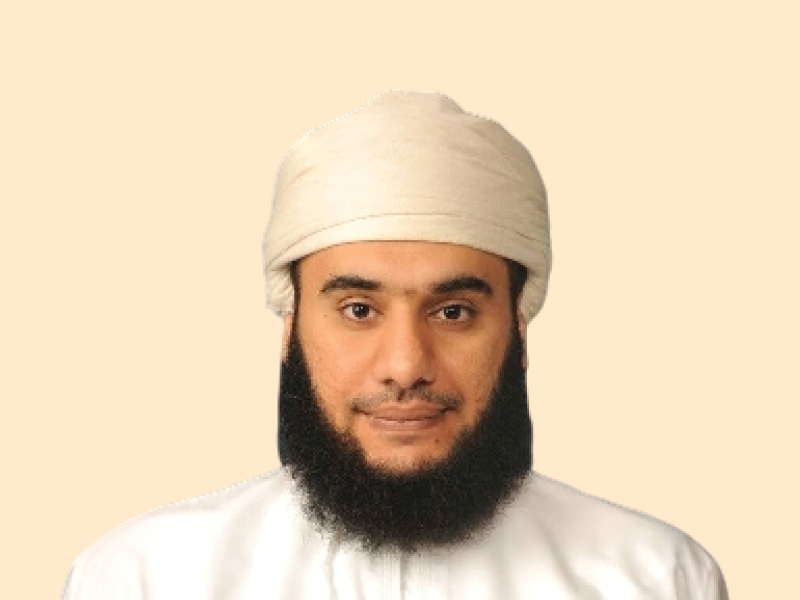
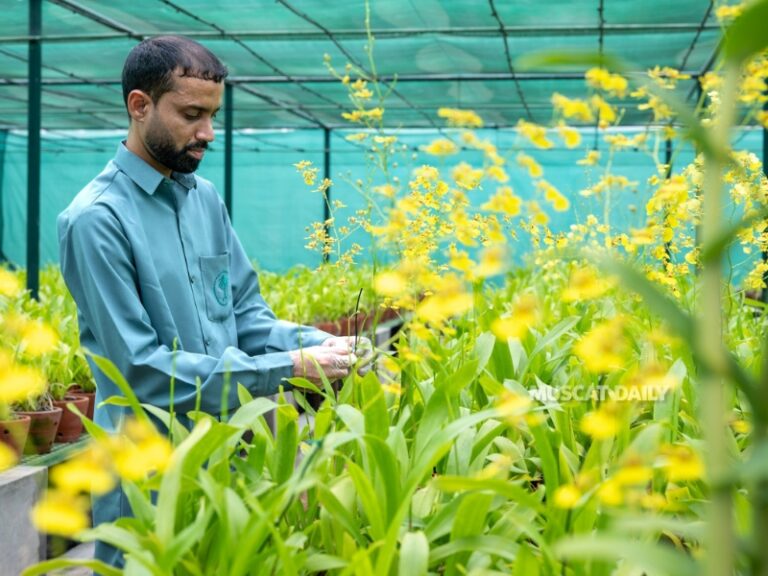
Talal bin Khamis Al Bahri (in picture), Senior Technician at Sultan Qaboos University’s Center for Educational Technologies, believes job security is increasingly tied to skills rather than a position.
“The young Omani is no longer just a jobseeker, but has become capable of successfully managing his own projects,” Al Bahri said, pointing to AI tools that allow individuals to work with fewer resources while increasing productivity.
Traditional careers, he said, generally relied on vertical progression within one organisation. The emerging model favours broader skills, movement across disciplines and greater involvement in decision making.
That shift also changes attitudes towards failure. Flexible workplaces, Al Bahri argued, are more likely to treat mistakes as part of experimentation rather than something to be punished.
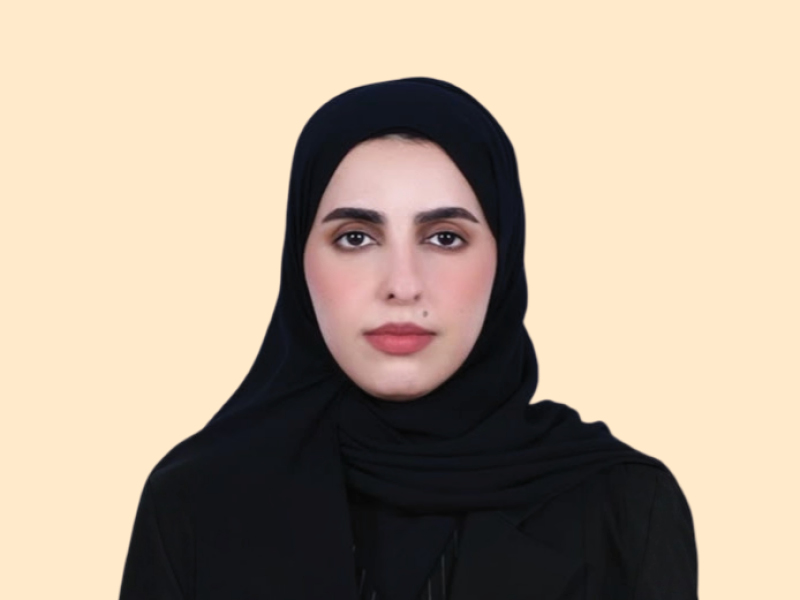
For Rahma bint Saeed Al Rashidi (in picture), a graphic designer specialising in strategic communication and generative AI, the future will be defined less by entirely new professions than by existing disciplines merging with technology.
Prompt engineering is one example. What began as communicating instructions to AI models is developing into specialised roles involving visual-content generation, prompt libraries and quality management of AI-produced outputs.
In design, AI is becoming “a partner in the creative process”, while corporate communication increasingly combines audience analysis, content production and strategic planning with intelligent tools.
“Future jobs often do not originate from a single specialisation, but from the intersection of different fields,” Rahma said.
Saeed bin Mubarak Al Ghannami, Vice Chairman of the Oman Information Technology Association, expects familiar professions such as doctors, engineers, teachers and accountants to remain. What will change are the tools they use and the skills employers value.
He envisages roles such as AI-enabled precision agriculture specialists, predictive-maintenance experts for power plants, smart-tourism experience designers and AI governance professionals.
The distinction, Al Ghannami said, will increasingly be between simply using AI and turning it into economic value.
“Technologies are available to everyone, but the ability to transform them into added value is what will create the most sustainable and competitive jobs,” he said.
© 2021 Apex Press and Publishing. All Rights Reserved. Powered by Mesdac