 By OUR CORRESPONDENT
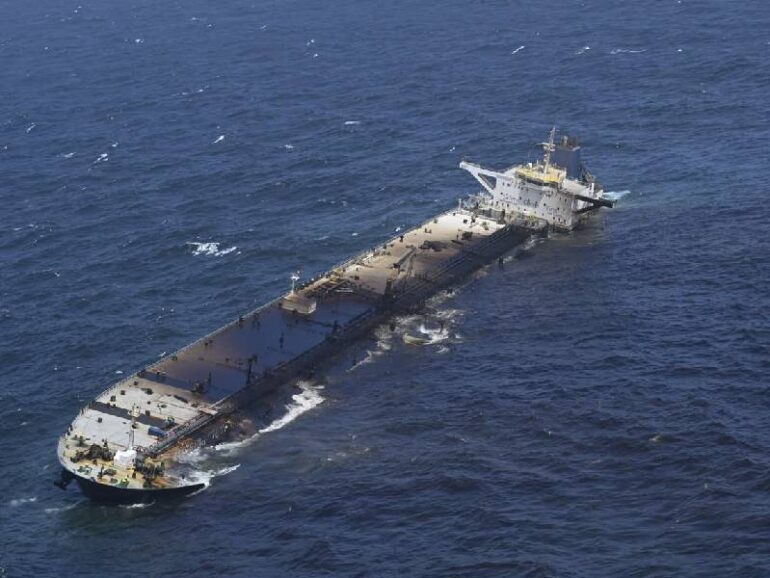
Muscat – Oman is stepping up efforts to contain an oil spill from the grounded tanker Caroline Bezengi off the Hallaniyat Islands, as high winds, 4m waves and hazardous rocky waters complicate access to the vessel.
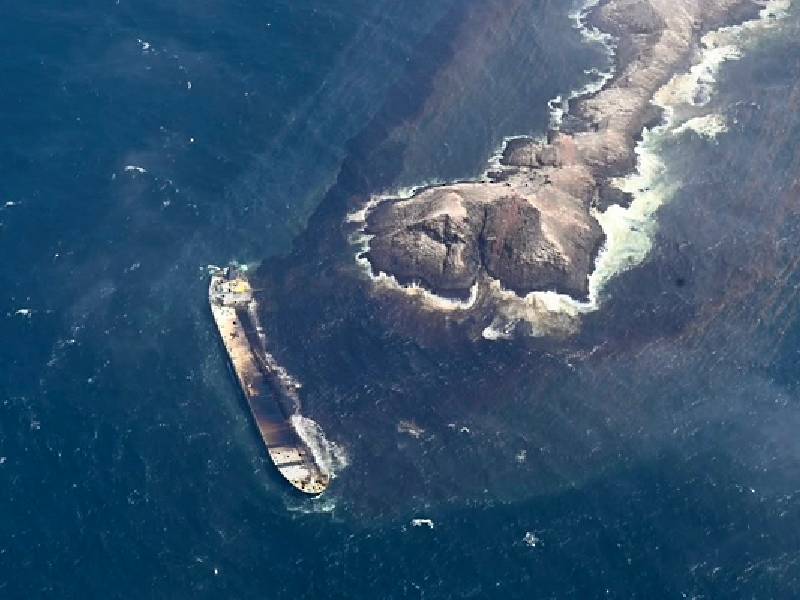
The ship remains stranded on a rocky outcrop at Al Qibliya Island in Dhofar, where the Ministry of Transport, Communications and Information Technology is coordinating salvage and pollution-control operations with national authorities and international experts from British maritime security company Ambrey.
Mohammed bin Abdullah Al Rawahi, Director General of Maritime Affairs at the ministry, said winds blowing at around 40 knots and waves of up to 4m have made approaching the tanker by sea extremely difficult.
The ministry has coordinated with Ambrey to bring in specialist responders, including Oil Spill Response Limited (OSRL) and Omani SME OP, along with containment booms, dispersants and other equipment.
But the shallow, rocky waters around the vessel and limited hydrographic data have restricted the movement of support ships.
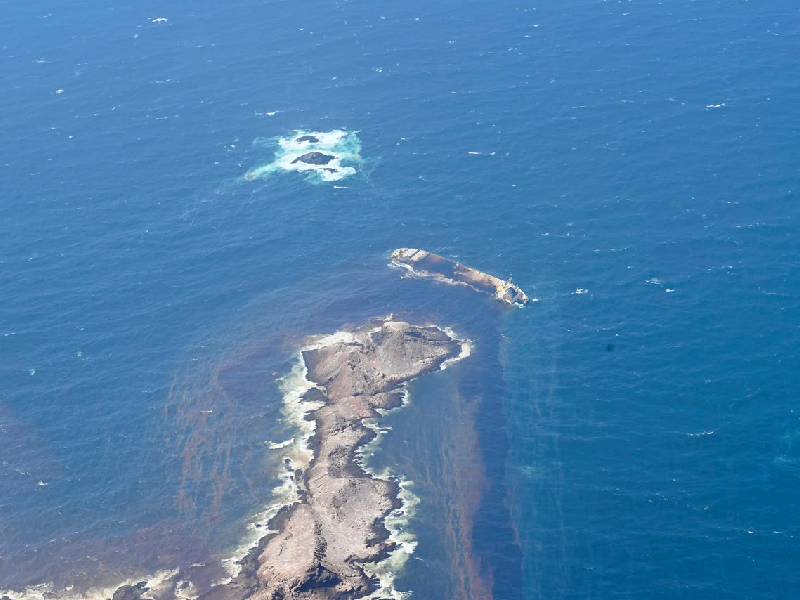
The tanker itself presents further risks. It is tilted by around 17°, with seawater flooding part of one side. Oil and seawater on the deck have made working areas slippery, while the lack of a reliable power supply has prevented heavy operations from starting.
“The current priority is to secure a suitable and safe working environment for the technical teams,” Al Rawahi said.
With some equipment unable to reach the tanker by sea, helicopters are being used to transport specialists and essential gear to the deck.
Teams are also studying whether oil can be transferred internally from damaged tanks to safer compartments to reduce the volume at risk of leaking. Such work would require pumps, generators and continuous checks on the vessel’s stability.
Marine and hydrographic surveys are meanwhile underway to map water depths, seabed conditions and navigational hazards around the wreck. “The surveys are considered crucial before larger salvage vessels can safely approach.”
The main objective is eventually to transfer the tanker’s remaining oil cargo to another vessel, he added. Before that can happen, teams must secure working areas, restore power, assess damaged tanks and identify a safe location and route for support ships.
Al Rawahi said operations would proceed in phases according to weather and technical assessments, with the safety of personnel and protection of the marine environment remaining the priorities.
© 2021 Apex Press and Publishing. All Rights Reserved. Powered by Mesdac