Gokce Kucuk Topbas – Anadolu Agency
Continued uncertainty over the return of normal commercial traffic through the Strait of Hormuz is increasing the strategic importance of infrastructure that allows Gulf crude oil to be stored outside the chokepoint and exported through alternative routes.
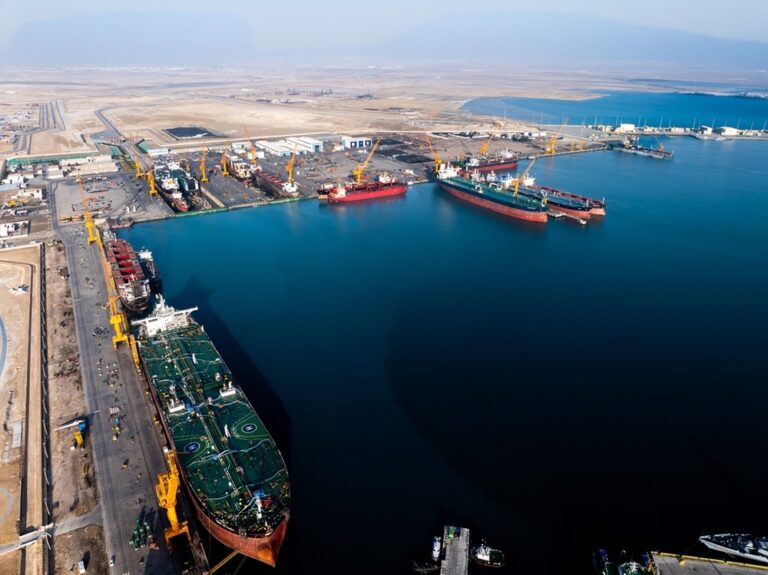
Oman’s Ras Markaz Crude Oil Storage Terminal, which provides direct access to the Arabian Sea and international shipping routes without requiring vessels to transit the Strait of Hormuz, is drawing increased attention amid plans to expand its capacity and its potential for wider regional use.
Ras Markaz’s marine infrastructure can accommodate very large crude carriers, allowing crude oil to be loaded and unloaded while also supporting the storage and blending of different crude grades.
Although talks between Iran and Oman over new maritime transit arrangements for the Strait of Hormuz have made progress, uncertainty remains over when commercial traffic through the waterway will fully return to normal.
Iranian Foreign Minister Abbas Araghchi said on August 9 that an arrangement between the two countries was in its final stage, but stressed that this would not mean the immediate reopening of the strait.
Against this backdrop, Oman Tank Terminal Company (OTTCO), part of Oman’s integrated energy group OQ, is moving ahead with plans to expand the Ras Markaz terminal near Duqm.
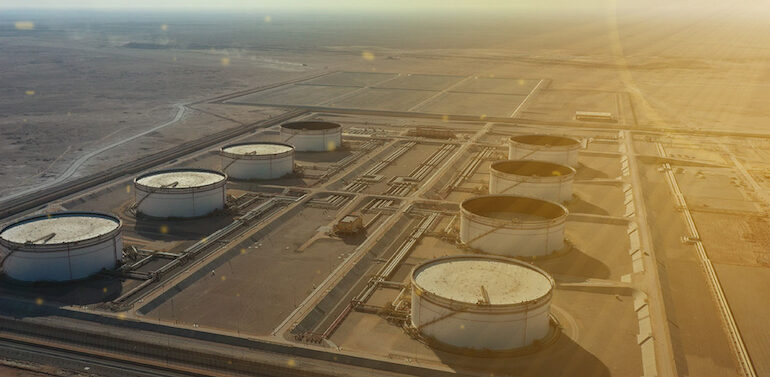
OTTCO has invited engineering, procurement and construction (EPC) companies to participate in the prequalification process for eight new crude oil storage tanks at Ras Markaz. Each tank is expected to have a capacity of around 650,000 barrels, bringing the planned additional storage capacity to 5.2mn barrels.
The prequalification period ended on August 4, marking the start of the process to expand the terminal’s existing storage infrastructure.
Although Omani authorities have not directly linked the latest expansion to developments in the Strait of Hormuz, Ras Markaz was developed from the outset as a crude oil storage and export facility outside the strategic waterway.
Around 40 sqkm of land has been allocated for Ras Markaz, while the terminal has the potential to expand to as much as 200mn barrels of crude oil storage capacity over the long term, depending on market demand.
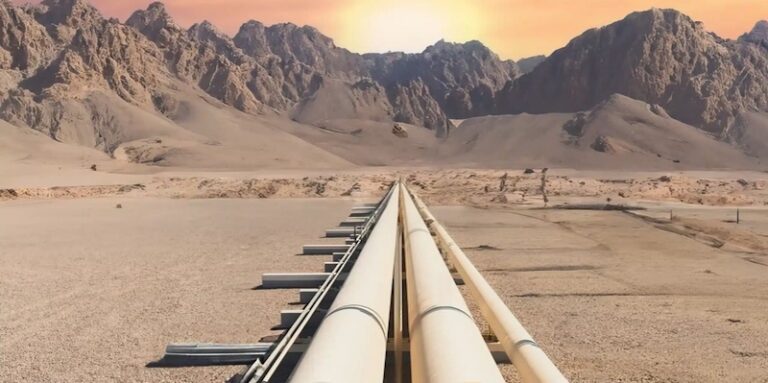
The approximately 10-sqkm first development phase has infrastructure designed to support 26.7mn barrels of crude oil storage capacity. Of this, 5.2mn barrels of the current capacity is allocated to the Duqm Refinery, which is connected to Ras Markaz through an approximately 80-km pipeline.
Oman Investment Authority’s Chairman H E Abdulsalam Al Murshidi said in May that several Gulf countries and other states were exploring the possibility of storing crude oil at Ras Markaz and marketing it to international markets through Oman.
He said the terminal could eventually reach a scale capable of storing an amount of crude equivalent to upto one month of Oman’s oil exports.
One step towards expanding Ras Markaz’s regional role has already been taken with Iraq. According to OQ’s 2025 annual report, OTTCO and Iraq’s state oil marketing company SOMO signed a memorandum to develop a crude oil storage facility at Ras Markaz with an initial capacity of 10mn barrels.
OQ Trading and SOMO also agreed to cooperate on marketing Iraqi crude oil in international markets.
OQ and Saudi Aramco’s trading arm have also signed a memorandum to explore cooperation opportunities, including crude storage at Ras Markaz and feedstock supplies to the Duqm Refinery.
These agreements point to the terminal’s potential role beyond Oman’s domestic energy system, positioning it as a storage and trading platform serving other oil producers in the Gulf region.
Ras Markaz could emerge as regional crude storage hub
Justin Dargin, senior fellow at Harvard University’s Mossavar-Rahmani Center and an energy markets expert, told Anadolu Agency that Ras Markaz’s greatest strategic advantage stems from its geographic location rather than its commercial characteristics.
“Every barrel of oil stored outside Hormuz is one less barrel exposed to the political and security risks of the Strait,” Dargin said.
He said Ras Markaz could, over time, develop into a regional crude storage hub serving international oil companies, traders and other Gulf producers seeking storage options outside Hormuz.
“Ras Markaz has the ingredients to become a regional crude storage hub. But geography opens the door; it does not guarantee success,” he added.
Dargin stressed that storage capacity outside the strait improves resilience, but that pipeline infrastructure remains critical if producers want to reduce their reliance on Hormuz.
“You can build as much storage capacity outside Hormuz as you want, but if you cannot move the oil there, you are still dependent on the Strait,” he added.
Anadolu Agency
© 2021 Apex Press and Publishing. All Rights Reserved. Powered by Mesdac