
 By GULAM ALI KHAN
Muscat – Oman’s annual inflation rate eased slightly to 3.2% in April, down from 3.6% in March, according to the latest Consumer Price Index (CPI) data released by the National Centre for Statistics and Information.
Despite the marginal decline from the previous month, inflation in Oman remained relatively high, driven mainly by rising prices across several key expenditure groups, particularly miscellaneous goods and services, transport, fresh food items, and restaurants and hotels.
CPI data showed that the miscellaneous goods and services group recorded the highest year-on-year increase in April, rising by 9.2%. This was followed by food and transport, where prices increased by 6.2% and 6.0%, respectively, making them the main contributors to overall inflation.
The higher inflation levels recorded during March and April coincided with heightened tensions in the Middle East, particularly the US-Israel conflict with Iran, which began on February 28. The conflict significantly affected global oil prices, shipping costs and supply chains. For Gulf countries, including Oman, this resulted in higher import and transport costs, especially for food and consumer goods.
Global institutions such as the International Monetary Fund and the World Bank have warned that the Iran conflict is adding to global inflationary pressures.
Food inflation surges to 6.2%
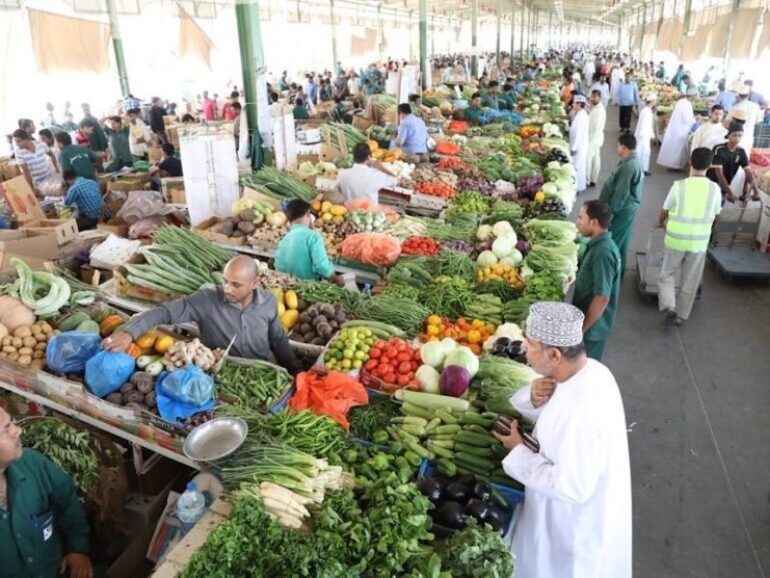
The food and non-alcoholic beverages group, which carries the largest weight in the sultanate’s CPI, recorded a notable 6.2% increase in April compared with the same month in 2025. Prices in this group had risen by 4.3% year-on-year in March.
Within the food category, price movements were mixed. Vegetable prices recorded the sharpest year-on-year increase at 25%, followed by fruits at 11.6%. Prices of fish rose by 6.1%, non-alcoholic beverages by 3.4%, sugar, jam, honey and confectionery by 3.0%, meat by 3.7%, milk, cheese and eggs by 2.5%, bread and cereals by 1.6%, and oils and fats by 0.9%.
Other expenditure groups also recorded increases. Prices in the restaurants and hotels group rose by 4.5%, while furnishings, household equipment and routine household maintenance increased by 3.0% compared with the same month last year. Education costs rose by 2.2%, while health expenses increased by 1.8%.
Meanwhile, prices in the housing, water, electricity, gas and other fuels group remained unchanged year-on-year, as did prices in the communication and tobacco groups.
At the governorate level, Dhahirah recorded the highest annual inflation rate in April at 4.4%, followed by Muscat and Dakhiliyah at 3.7% each. Inflation in Dhofar and North Batinah was lower at 1.9% each.
The data also showed that the average inflation rate in the sultanate during the first four months of 2026 stood at 2.6%. The miscellaneous goods and services group recorded an average increase of 12.4% during the January-April period, indicating continued upward pressure in that category.
© 2021 Apex Press and Publishing. All Rights Reserved. Powered by Mesdac