 By MOHAMMED TAHA
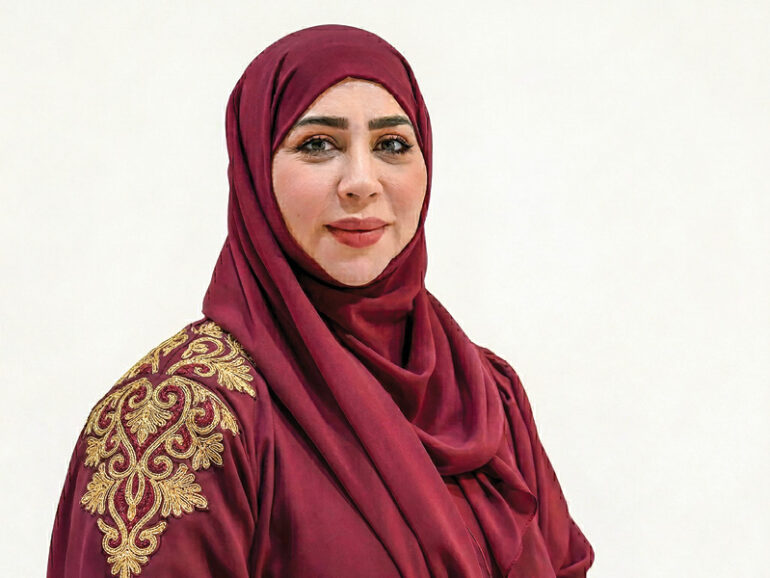
Muscat – From the southern literary landscapes of Salalah to the cultural stage of Sharjah, an Omani academic is quietly reshaping how the Arabic novel is read and understood.
Dr Wafaa Salem Al Shamsi, one of Oman’s leading literary critics, has won the 2026 edition of the Sharjah Award for Gulf Women’s Creativity, marking a milestone in both her career and the sultanate’s growing intellectual presence in the region.
Her award-winning study, ‘Cultural Features in the Modern Arabic Novel: A Critical Cultural Reading of ‘Maryam’s Fingers’ by Aziza Al Taie’, moves beyond conventional literary criticism into deeper cultural analysis, where texts are not merely interpreted but decoded.
“I found in the concept of cultural features a rich critical entry point that allows us to move beyond traditional readings of a text towards a deeper level that reveals underlying cultural patterns,” Wafaa told Muscat Daily.
She noted that such an approach is key to understanding how modern Arabic fiction reflects shifting social realities, particularly in relation to identity and the representation of self and others.
Her selection of Maryam’s Fingers by Omani novelist Aziza Al Taie was deliberate, placing a local narrative within the wider Arab literary landscape. The novel, she said, “Offers a complex world where social, psychological and cultural dimensions are intricately interwoven.”
The study highlights what she describes as “multiple cultural patterns” coexisting within a single narrative, where traditional and modern elements remain in constant tension and negotiation.
This, she argues, reflects a broader evolution in the Arabic novel, with narrative language increasingly becoming “a space where frames of reference intersect and shifts in consciousness and culture become visible”.
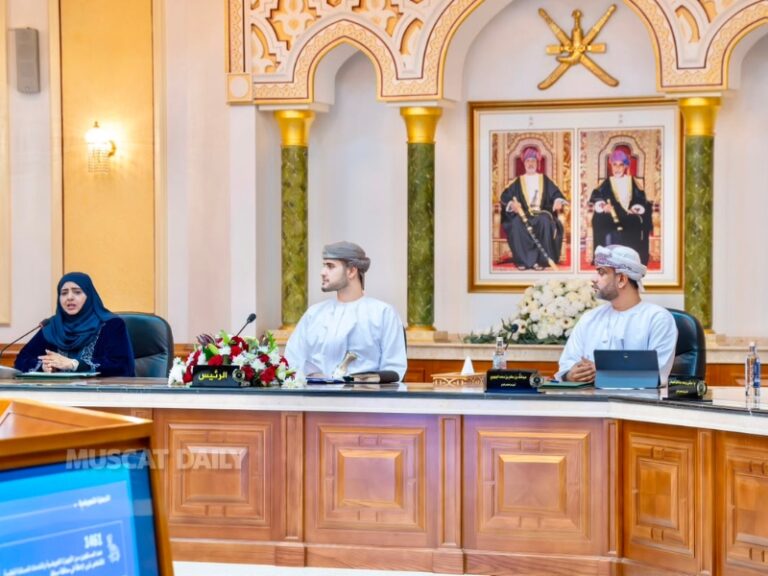
Now in its eighth edition, the Sharjah Award recognised seven women from across the GCC in categories including literary studies, narrative writing and poetry, underscoring the rising influence of female voices in regional cultural discourse.
For Wafaa, the recognition carries both personal and national meaning. “I carry it as an achievement inseparable from my identity as an Omani woman,” she said, “striving to represent my country through knowledge and intellectual presence.”
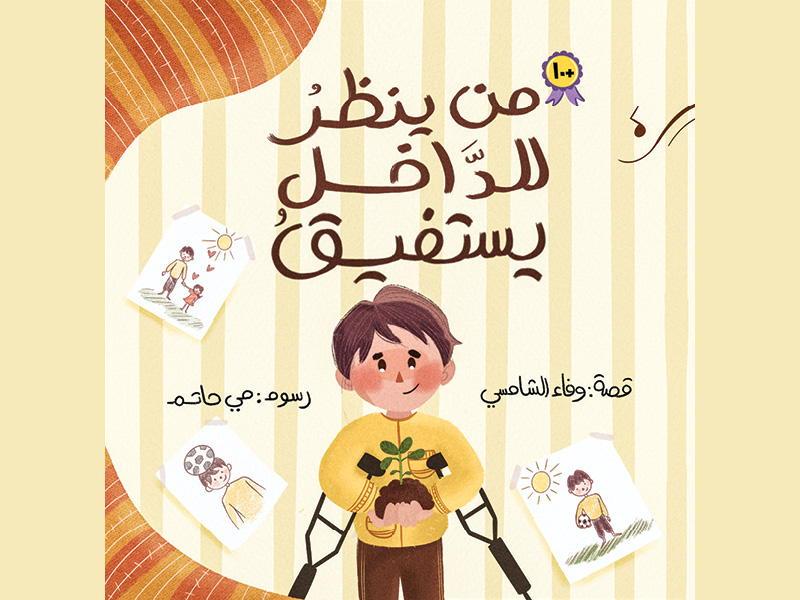
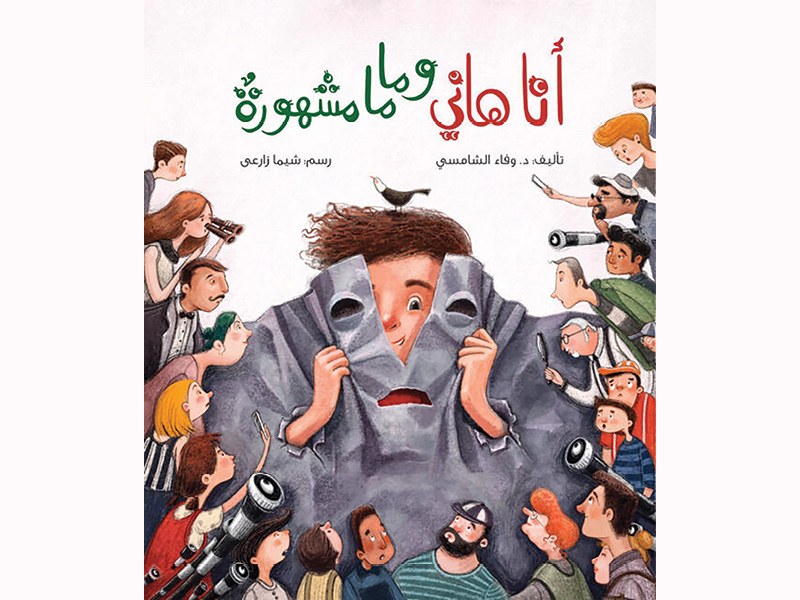
Beyond academia, Wafaa has also played a pioneering role in children’s and young adult literature in Oman, exploring how storytelling contributes to shaping cultural awareness across generations.
She is currently working to expand her research into a full-length book, alongside new projects in discourse analysis and cultural studies, with particular focus on underexplored fields such as children’s literature and theatre.
In a region where literature continues to mirror transformation, Wafaa’s work stands as both reflection and critique — highlighting how the Arabic novel not only tells stories, but also negotiates the cultural meanings behind them.
© 2021 Apex Press and Publishing. All Rights Reserved. Powered by Mesdac