
 By OUR CORRESPONDENT
Nakhl – Deep in the mountains of Nakhl in South Batinah, Wadi Bani Haras is drawing attention as an eco-tourism destination shaped by rugged terrain, long-settled villages and enduring agricultural traditions.
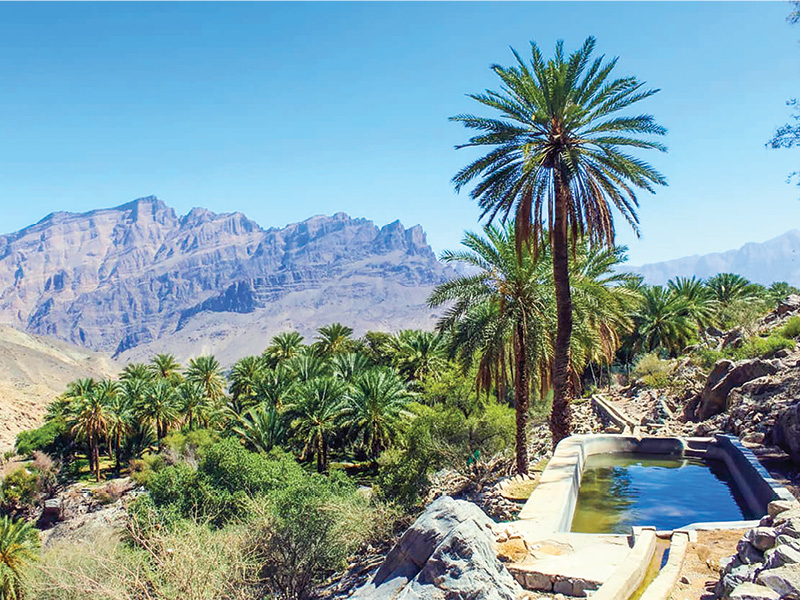
The wadi is known for its rock formations and varied landscape. Trails wind through hillside villages including Saqla, Al Faiq, Al Awainat, Al Mubin and Al Hajer, offering visitors access to mountain communities that continue to rely on aflaj irrigation and terraced farming.
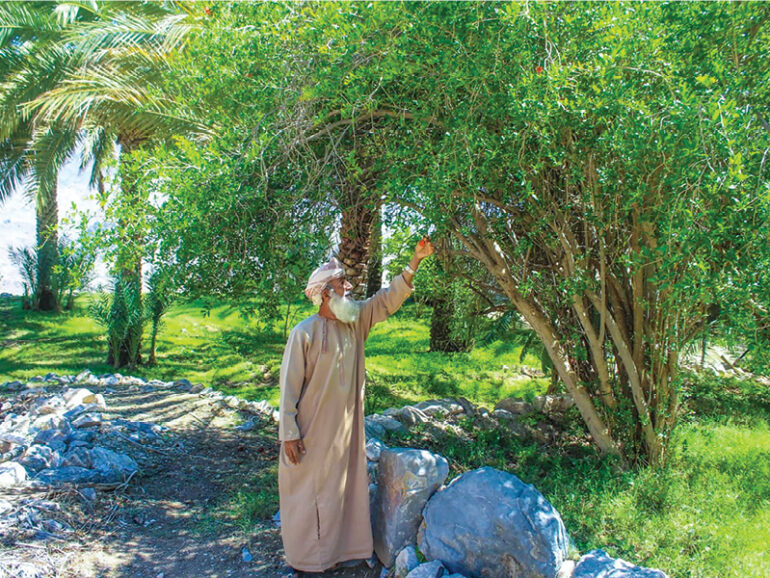
Al Faiq is the largest and most active of the settlements. Agriculture remains central to daily life, with farmers cultivating dates, citrus, papaya, quince and grapes, alongside seasonal crops such as onions, garlic and fennel.
Dr Al Mutasim bin Nasser Al Hilali, Director of the Heritage and Tourism Department in South Batinah, said the agricultural design in Saqla reflects careful water management. “Terraces close to falaj sources are allocated to perennial crops such as dates and citrus, while areas further away are used for seasonal cultivation, mainly during winter when water levels rise,” he explained.
The wadi also holds historical sites. The Al Jami Mosque in Saqla dates back to 709 AH, more than 700 years ago. Built from mud and mountain stone, it overlooks farmland and stands near Falaj Al Ain, serving residents and travellers who once crossed the mountain routes. Parts of the mosque were damaged during Cyclone Gonu and Cyclone Phet.
Archaeological remains underline the area’s early settlement. Beehive-shaped tombs, distinct from circular watchtowers, are spread across hills and along the road to Saqla, indicating a long human presence.
In Al Faiq, a castle sits atop the mountain, once used to monitor and protect entry routes. Nearby, Al Sinsilah Falaj runs for more than 1.5km, irrigating palm groves and fields. Following the water channel upstream into the mountains offers a demanding route for experienced hikers.
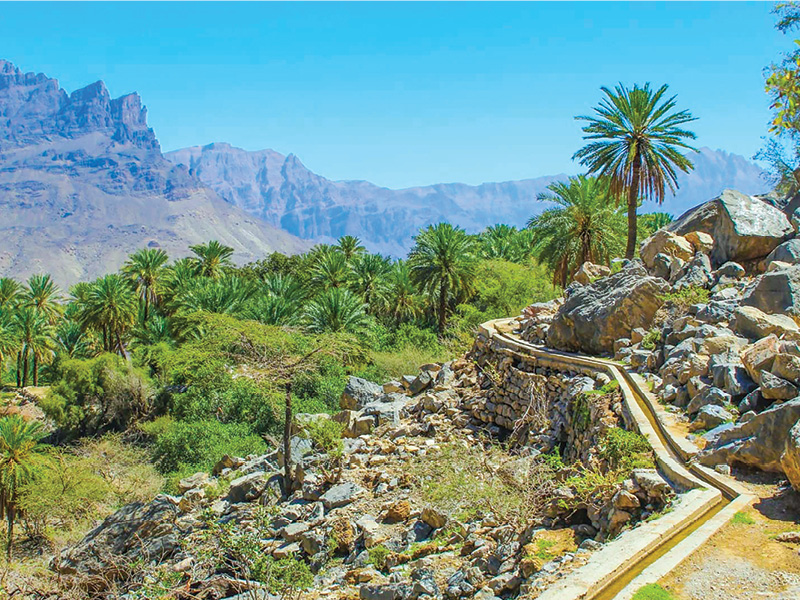
Historic trails connect the wadi’s villages to Al Sujrah in Jabal Akhdar. The journey can exceed five hours, crossing steep paths lined with wild olive trees and mountain herbs.
Located west of Wadi Mistal road, around 14km from its starting point, Wadi Bani Haras requires four-wheel-drive access to reach its upper settlements.

With its combination of heritage, agriculture and trekking routes, the wadi is attracting visitors seeking to explore Oman’s mountain landscape beyond established tourism circuits.
© 2021 Apex Press and Publishing. All Rights Reserved. Powered by Mesdac