 By
By
Salalah – The archaeological sites spread across Dhofar are shining a new spotlight on the tourism potential of the governorate. The interest of tourists in these archaeological and historical sites of Dhofar is shaping into an industry. The Dhofar Governorate Tourism Strategy, alongside the broader Tourism Strategy of Oman, is playing a key role in this development.
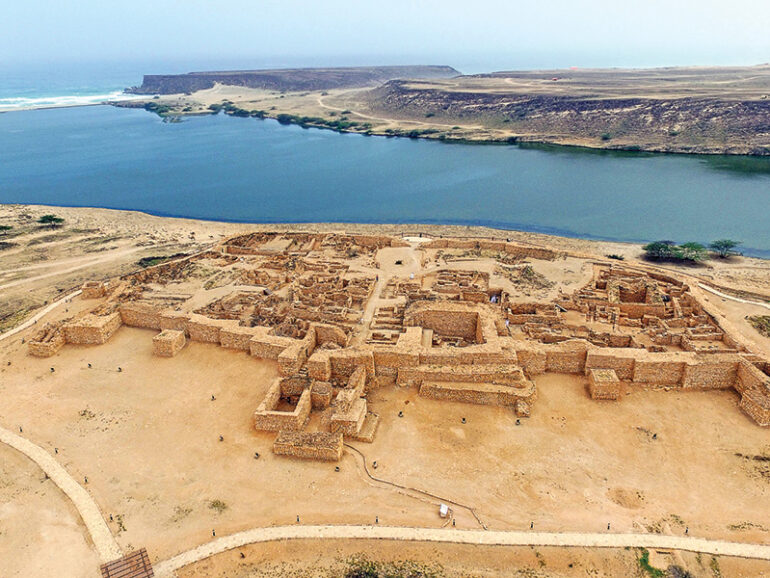
Dhofar’s historical sites, including castles, forts, ancient cities and markets, offer tourists a unique opportunity to explore Oman’s rich cultural heritage. Key sites such as Samharam, Al Baleed, Shisr, Khor Rori, Wadi Dokah and Khor Kharfoot are particularly popular, functioning as open-air museums that tell the story of the sultanate’s ancient civilisations.
Government efforts to preserve intangible cultural heritage, alongside community initiatives, play a vital role in maintaining the authenticity of Dhofar’s cultural landscape.
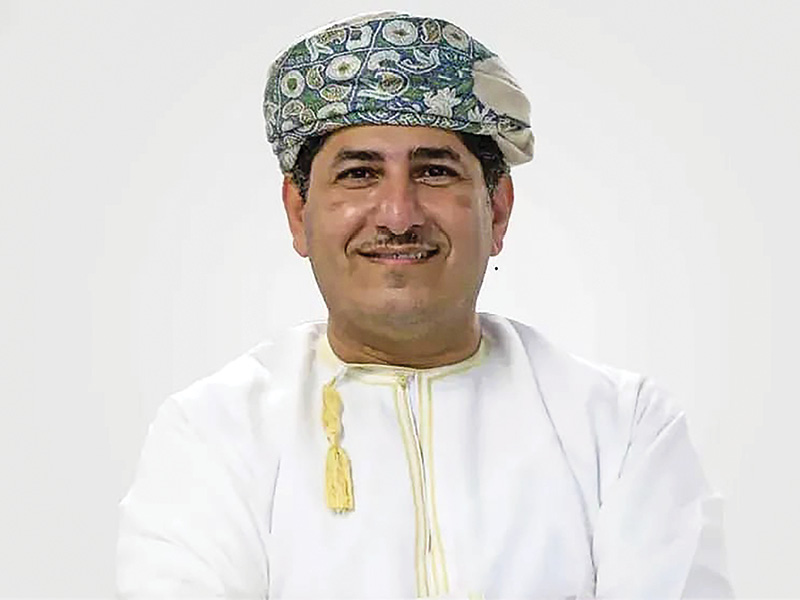
The tourism strategies in place are designed to maximise the economic benefits of these archaeological and natural sites. Khalfan bin Saif al Touqi, an economic analyst, noted that many countries rely on heritage tourism to boost their economies and that Oman is well-positioned to do the same. “Oman’s unique combination of natural beauty and historical richness sets it apart from other tourist destinations.”
Touqi highlighted the diversity of Oman’s 11 governorates, each offering distinct attractions. While Dhofar is most famous for its pleasant summer weather, it is in fact a year-round destination. The winter season, in particular, attracts tourists from Europe, with flights to Salalah continuing throughout the year.
Dr Salem bin Suhail al Kathiri, an expert on archaeological tourism, believes Dhofar’s rich history and natural beauty make it a standout destination. “The archaeological sites not only attract tourists but also strengthen the local economy by creating jobs in various sectors, including tourism, hospitality and traditional industries,” he said, adding that tourism revenue is crucial in funding the preservation and restoration of historical sites.
As the tourism sector grows, so does the development of infrastructure around these sites. Government agencies are focused on improving services, roads and facilities to ensure a comfortable experience for visitors. These developments are accompanied by a growing awareness among both locals and tourists about the importance of preserving these historical treasures.

Sultan Qaboos University academic Dr Ashraf Musharraf underscored the role of the tourism sector in Oman Vision 2040. “It is a critical component in diversifying the national economy, reducing dependency on oil and creating new job opportunities for Omani youth.”
He advocated an ambitious investment strategy to increase the tourism sector’s contribution to the GDP and attract millions of tourists in the coming decade.
Dr Mohammed bin Awad al Mashaikhi, another academic, stressed the importance of developing and promoting Dhofar’s archaeological sites. “Oman’s cultural and civilisational heritage can be marketed effectively as a tourism product, appealing to both history enthusiasts and general tourists.”
Social media activist Mubarak bin Salem al Mashani highlighted the power of modern media in promoting tourism in Oman. “We are fortunate to have a rich history and beautiful places that many dream of visiting. We must tell the world about this and present Oman as one of the most attractive options on the global tourism map.”
© 2021 Apex Press and Publishing. All Rights Reserved. Powered by Mesdac