 By ANIRBAN RAY
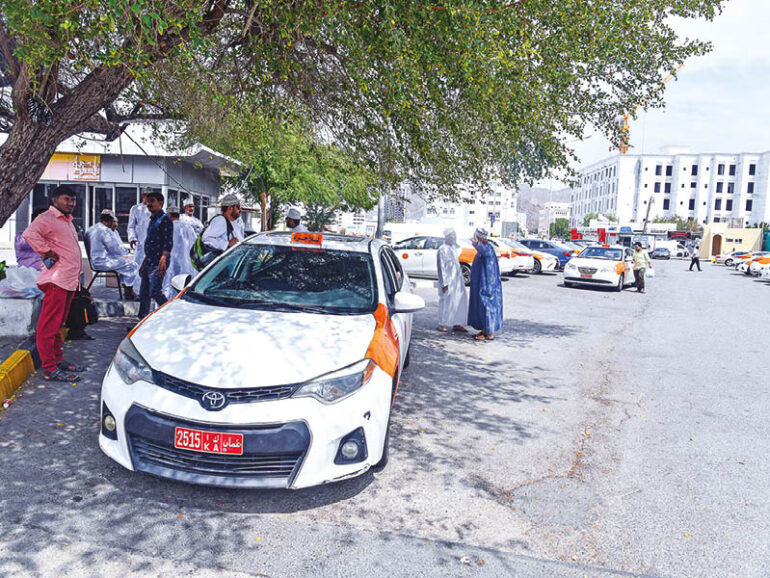
Muscat – Fasting during Ramadan can be challenging for taxi drivers as they work long hours and may often find themselves driving a customer to their destination when it’s time for iftar.
During the month, taxi drivers also have to deal with chaotic traffic, as people hurry home from offices early in the afternoon. In the evening, there’s iftar rush, as people go to mosques or family gatherings, making it difficult to get around quickly.
And there’s the additional challenge of fasting during the month while continuing to ply their trade ensuring the safety of passengers. Most are able to find ways to manage their work while fulfilling their religious obligations.
Muscat Daily spoke with four taxi drivers who revealed what it is like to work without food and water for long hours while staying focused at the steering wheel.
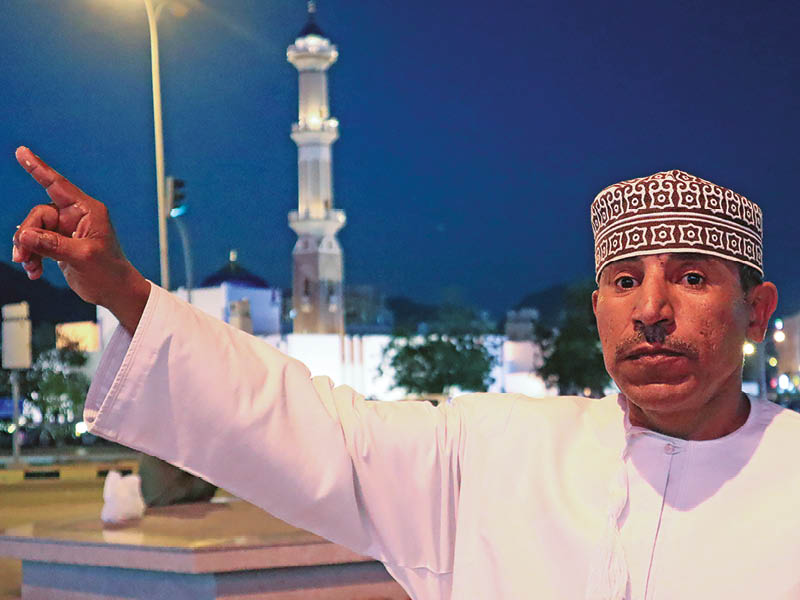
Waiting for customers at Ruwi taxi stand, Nasser al Wahaibi said, “We have to work despite being thirsty and hungry all day. Most taxi drivers are accustomed to fasting during Ramadan and have devised ways to manage work and routes while fasting. Some drivers adjust their schedule to work shorter hours during the day and longer hours at night after breaking fast when they are more energetic.”
Others, Wahaibi informed, carry food with them in the car, so they can eat and drink as soon as they hear the call for Maghrib prayers.
Besides elaborating on the challenges taxi drivers face during Ramadan, Wahaibi also shares numerous accounts of passengers’ faux pas. Ignorant of the practices of Ramadan, non-Muslims passengers have had food or drink in his taxi during fasting hours in Ramadan. “These are usually new to the region or tourists and not aware of the customs.”
For a fasting taxi driver, the smell of food is not just tempting but a distraction, Wahaibi admitted. Nabeel al Jabri, another taxi driver, described such situations as a “real test of self-control”.
“Often such passengers teach me the essence of Ramadan. Most of them are new to the country. But some passengers who are tired after work and thirsty gulp down water from time to time in the taxi. I do not stop them.”
Jabri narrated an incident when it was very hot and a passenger was sweating and looked thirsty and distressed. “I gave him water and laban which I had kept for iftar. We must remember that helping others is the very essence of Ramadan.”
Until some years ago, taxi drivers broke fast under trees or flyovers. The municipality has since built air-conditioned rooms at taxi stands with sitting facilities and water dispensers. While many carry food for iftar and share with other, others opt for delivery services.
After breaking fast quickly with dates and water or juice, followed by a meal and Maghrib prayers, they rush to work as it begins to get busy on the roads.
Like others who fast, taxi drivers with chronic conditions, including diabetes, too fulfil their religious obligations while continuing to work to provide for their families.
Waiting for passengers in Ghubra, Abdullah recalled the difficult conditions in which his father drove a taxi for a living. “He drove passengers long distances, making several trips daily to Sohar. This was just two decades ago.
Often he broke fast by the roadside when there was nothing around – no petrol stations or mosques for miles, just long stretches of desert. He’d break fast with his passengers or labourers by the roadside.”
Mohammad al Jabri noted that there are many challenges for taxi drivers during Ramadan, which they have grown used to. “But the one most difficult to overcome is the dwindling number of passengers in the month. It suddenly gets very busy after iftar for a few hours and then again there’s a lull in business.”
© 2021 Apex Press and Publishing. All Rights Reserved. Powered by Mesdac