
 By OUR CORRESPONDENT
Muscat – Social media is playing an increasingly significant role in the lives of young people in Oman, with new research highlighting both its benefits for connectivity and its potential impact on mental, physical and social well-being.
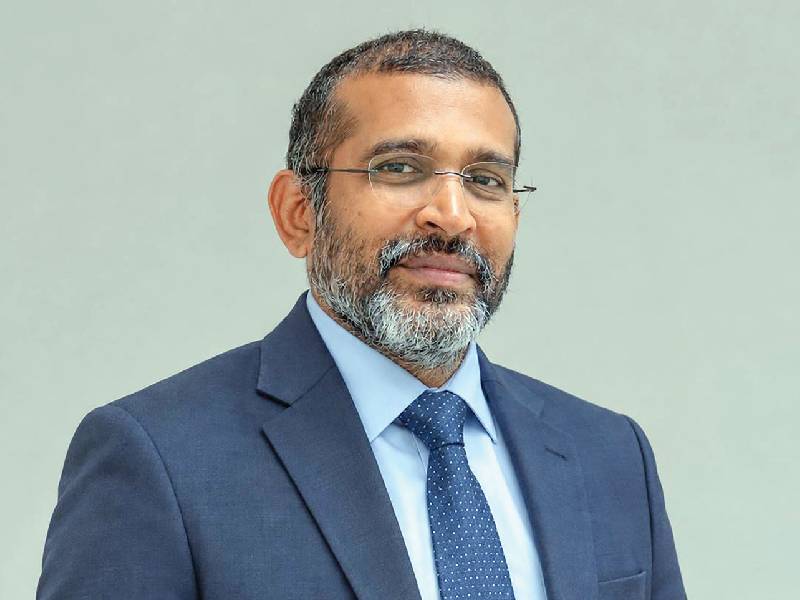
The study, titled ‘Effects of Social Media on Gen Z Health in the Sultanate of Oman’, was led by Dr Subrahmanian Muthuraman, Assistant Professor, Faculty of Business Studies in Arab Open University, and funded by the Block Funding Programme of the Research and Innovation Authority.
The research examined social media use among young adults aged 18 to 25, focusing on their usage habits, engagement, enjoyment, and behavioural effects associated with social networking platforms.
Researchers used a structured questionnaire to survey 138 active social media users. The study examined six key factors – usage habits, engagement, enjoyment, positive effects, negative effects and behavioural impact. Regression analysis found that all six factors significantly predicted the overall influence of social media on participants.
The findings showed that social media has become an integral part of the daily routines of many young people, with most respondents reporting daily use and many spending several hours on different platforms.
While social media was found to enhance communication and connectivity, frequent use was also associated with social comparison, peer pressure and changes in face-to-face interaction. Higher levels of engagement and enjoyment were similarly linked to changes in social interaction patterns.
The study identified several mental health concerns associated with intensive social media use, including increased stress and anxiety, loneliness, mood fluctuations, reduced concentration and poorer sleep quality. Participants with higher levels of use also reported greater digital fatigue and signs of behavioural dependence.
Physical health concerns included eye strain, headaches, irregular sleep patterns and reduced physical activity. Some respondents also reported compulsive checking of social media and difficulty staying offline.
The researchers stressed the importance of promoting healthier and more balanced digital habits. They recommended developing digital well-being guidelines and awareness initiatives, alongside stronger digital literacy and digital citizenship programmes in schools and universities.
The study also called for greater support for young people experiencing anxiety, cyberstress, sleep deprivation and fear of missing out, or FOMO. Families and community institutions were encouraged to promote open discussions about responsible social media use and support those showing signs of technology dependence or social withdrawal.
Young people were advised to monitor screen time, reduce excessive late-night use, take regular breaks, maintain physical activity and seek support when social media begins affecting their well-being.
The findings were published in the Journal of Ecohumanism. The research team comprised Dr Subrahmanian Muthuraman, Dr Mohammed Al Hazaizi and Amani Al Balushi.
© 2021 Apex Press and Publishing. All Rights Reserved. Powered by Mesdac