 By OUR CORRESPONDENT
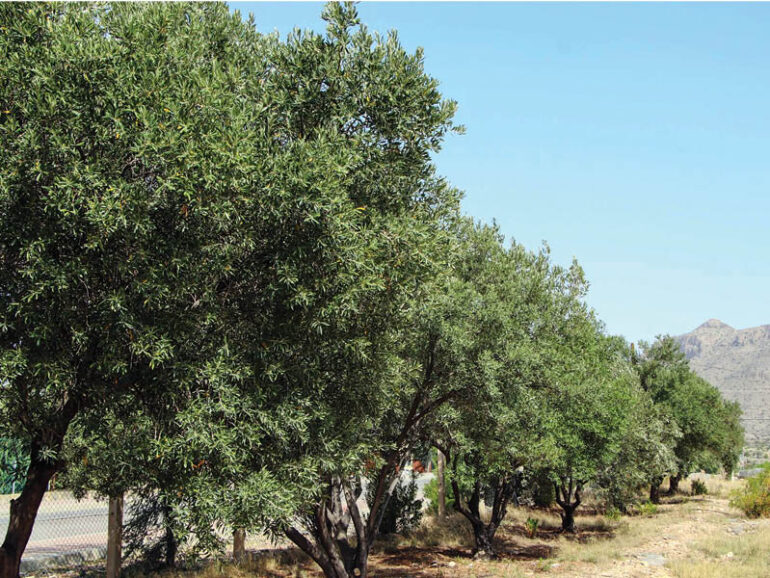
Jabal Akhdar – The number of olive trees cultivated in Jabal Akhdar has reached approximately 20,000, marking a transformation for a crop that began on a modest scale in the early 1990s and has since become an increasingly important part of the region’s agricultural landscape.
Eng Bader bin Abdullah Al Siyabi, Assistant Director General for Agricultural Affairs in Dakhliyah governorate, said the growth of olive cultivation was the result of sustained government support and efforts to encourage farmers to adopt the crop and expand their plantations.
Olive cultivation initially began in the region on a limited scale. Over the years, however, the crop gained momentum as the Ministry of Agriculture, Fisheries and Water Resources introduced olive varieties selected for their ability to produce oil and adapt to the environmental conditions of Jabal Akhdar.
The carefully selected varieties were distributed among farmers, helping establish olive trees as a suitable and commercially promising crop for the mountain environment. The initiative gradually encouraged more farmers to plant olive trees and expand existing cultivation.
A major step in the development of the sector was the establishment of the first olive oil extraction unit in Jabal Akhdar. The ministry initially provided extraction services to farmers free of charge, helping them process their harvest and demonstrating the potential value of olive production.
The expansion of olive cultivation has also been driven by the crop’s economic potential. According to Al Siyabi, the high value of olive products and the attractive return on investment have encouraged farmers to view olive cultivation not only as an agricultural activity but also as an investment opportunity.
Today, the approximately 20,000 olive trees in Jabal Akhdar produce an estimated 90,000 litres of high-quality olive oil annually, reflecting the growing scale of the sector and the increasing importance of olives among the region’s agricultural products.
The olive tree has also become part of the broader diversification of agriculture in Jabal Akhdar. The region is known for distinctive crops including pomegranates and roses, as well as deciduous fruit trees such as apricots and peaches.
For farmers, the rise of olive cultivation represents a shift towards crops that can generate higher-value products and support new investment opportunities. With continued government guidance, processing facilities and farmer participation, the growth from a small number of trees in the 1990s to around 20,000 today highlights the remarkable development of olive farming in Jabal Akhdar.
© 2021 Apex Press and Publishing. All Rights Reserved. Powered by Mesdac