 By HUBERT VAZ
Have you been to Salalah this year? Here’s what tourists are missing this khareef season in Dhofar
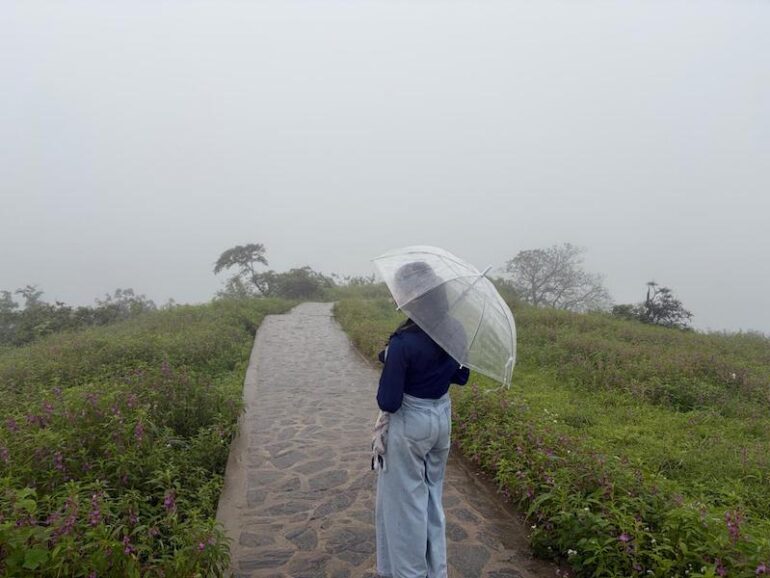
Every summer, as the rest of the Arabian Peninsula swelters under a relentless sun, the southern gateway of Oman undergoes a miraculous transformation… Driven by the southwest monsoon winds from the Indian Ocean, the Khareef season blankets the Dhofar governorate in cool drizzle, thick sea fog, and a vibrant green carpet.
For the average traveller, a trip to Salalah during Khareef follows a highly predictable, postcard-perfect itinerary – taking paddleboat rides through the emerald waters of Wadi Darbat, dodging the dramatic sea spray at the Mughsail Beach blowholes, or getting stuck in bumper-to-bumper tourist traffic on the foggy incline of Ittin Road.
By following the well-trodden tourist track, however, hundreds of thousands of visitors are driving right past the true, untouched magic of Dhofar. Beyond the crowded viewpoint parking lots lies an alternate version of Khareef – one defined by cinematic cliffs, hidden coastal drives, and ancient cultural enclaves that most tourists completely miss.
Hidden coastal frontiers
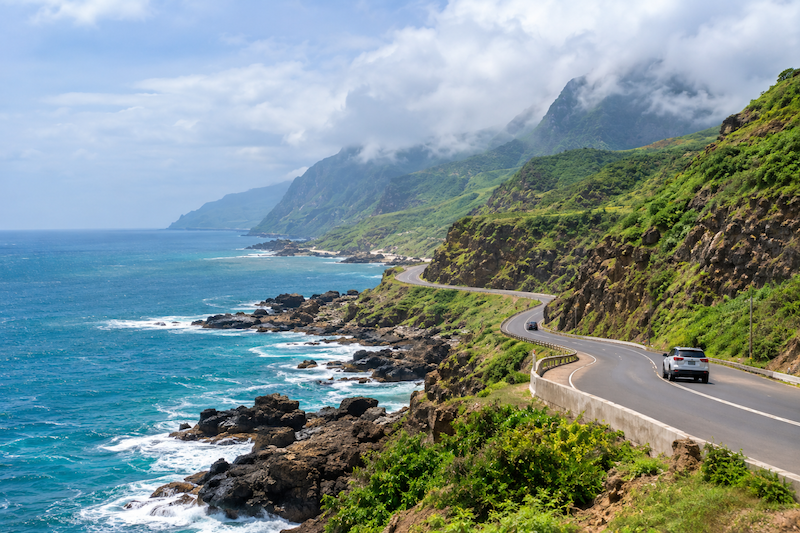
While crowds compete for a patch of grass in Salalah’s immediate valleys, the most breathtaking sights of the season require venturing just slightly off the grid. To the west lies Shaat, a dizzying mountain viewpoint where the Dhofar range meets the Arabian Sea.
During the summer peak, tourists crowd the lower hillsides, entirely missing the jaw-dropping spectacle of standing at the edge of Shaat’s massive vertical cliffs. Here, you do not just look at the monsoon, you stand high above a swirling ocean of white clouds that roll violently against the mountain edge, mimicking a celestial coastline.
Further east, the spectacular Hasik coastal road remains one of the region’s best-kept secrets. The vast majority of tourists never drive past Taqah or Mirbat, but those who dare to continue along this route are treated to an unmatched geological canvas where stark, wind-carved limestone mountains plunge directly into roaring turquoise waves, all framed by a moody monsoon mist.
Tranquil springs
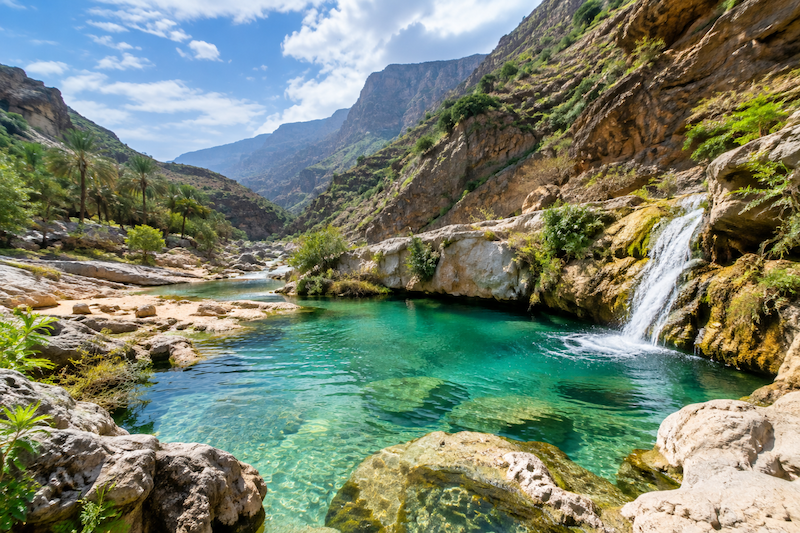
During the peak of the monsoon, iconic waterfalls like Ayn Athum and Ayn Khor naturally draw massive crowds. Yet, the intense concentration of visitors often shatters the serenity that nature lovers crave. This year, however, one does not get to enjoy the waterfalls due to lack of adequate cloudburst in Dhofar.
Those looking to escape the frenzy completely overlook places like Wadi Nahiz and Ayn Hamran. Tucked deeply into rolling hillsides, Ayn Hamran offers a quieter, deeply peaceful alternative. Instead of the roar of heavy machinery or shouting tour groups, the soundtrack here is simply the gentle babbling of a freshwater spring and birdsong moving through dense, overhanging vegetation. It is the perfect place to experience the slow-paced, therapeutic calm that khareef brings along.
Echoes of history in Mirbat
Khareef is as much a cultural phenomenon as it is an ecological wonder, yet the rich heritage of the region is frequently eclipsed by its greenery. While visitors flock to the bustling stalls of Al Husn Souq, in central Salalah, to buy frankincense, they miss the living ghost town of Mirbat Old Town just an hour down the coast.
Mirbat’s historic core features centuries-old merchant houses constructed from mudbrick and coral stone. Walking through these quiet streets in the soft monsoon drizzle – past beautifully carved, peeling wooden doors and collapsing arches – feels like stepping back into the height of the ancient Indian Ocean trade era. It is an atmospheric, deeply poignant historical experience that a crowded modern festival ground simply cannot replicate.
Stone-cooked traditions
Finally, many tourists miss out on the authentic culinary heart of Dhofar. While the temporary food stalls on Ittin Road serve standard fairground food, the real culinary adventure happens at the local stalls tucked near the foothills of smaller valleys like Ayn Hamran.
Here, local cooks prepare Dhofari Madbi – chicken or camel meat seasoned simply and cooked entirely over slow-heated river stones. Paired with traditional Omani cheese bread drizzled with local honey, this rugged, smoky delicacy represents a generational connection to the land.
Salalah’s Khareef season is undeniably magical on the surface. But as the 2026 season draws to its spectacular close in September, the true lesson for any future traveller is clear – to truly experience Dhofar, you must be willing to leave the safety of the main road, embrace the mystery of the fog, and discover the hidden wonders that lie just beyond the mist.
© 2021 Apex Press and Publishing. All Rights Reserved. Powered by Mesdac