 By MOHAMMED TAHA
Take up a journey through time at the Grand Egyptian Museum (GEM) and travel across millennia of history through a series of expansive galleries which offer a chronological presentation of Egyptian civilisation
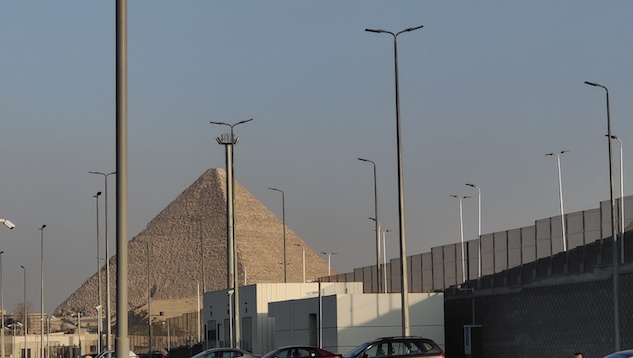
Rising from the edge of the Giza Plateau and framed by the timeless silhouette of the pyramids, the Grand Egyptian Museum is more than a new cultural attraction — it is a monumental tribute to one of the world’s oldest civilisations.
Bringing together thousands of priceless artefacts, cutting-edge technology and world-class conservation facilities, the museum offers visitors an unprecedented journey through 5,000 years of Egyptian history, transforming the way ancient Egypt is experienced and understood.
Egypt has unveiled one of the most ambitious cultural projects of the modern era. The Grand Egyptian Museum (GEM), located beside the Giza Plateau, officially opened its doors on November 1, 2025, in a landmark event that is redefining how the world experiences the story of ancient Egypt.
Spanning nearly half a million square metres, GEM is the largest museum in the world dedicated to a single civilisation. Designed to present Egypt’s heritage through immersive storytelling and advanced digital technologies, the museum transforms the traditional visitor experience, turning history into a living journey through thousands of years of human achievement.
The vision behind GEM reflects Egypt’s commitment to preserving its unparalleled archaeological wealth while presenting it through a contemporary lens. Beyond its vast exhibition galleries, the museum houses educational facilities, research centres and some of the world’s most advanced conservation laboratories, positioning it as a leading international hub for archaeology and cultural preservation.
During my visit, the scale and ambition of the project became immediately apparent. Passing through the grand entrance felt like stepping into another era. Each gallery revealed a new chapter of Egypt’s rich history, encouraging visitors to pause, reflect and connect with a civilisation that continues to captivate the world.
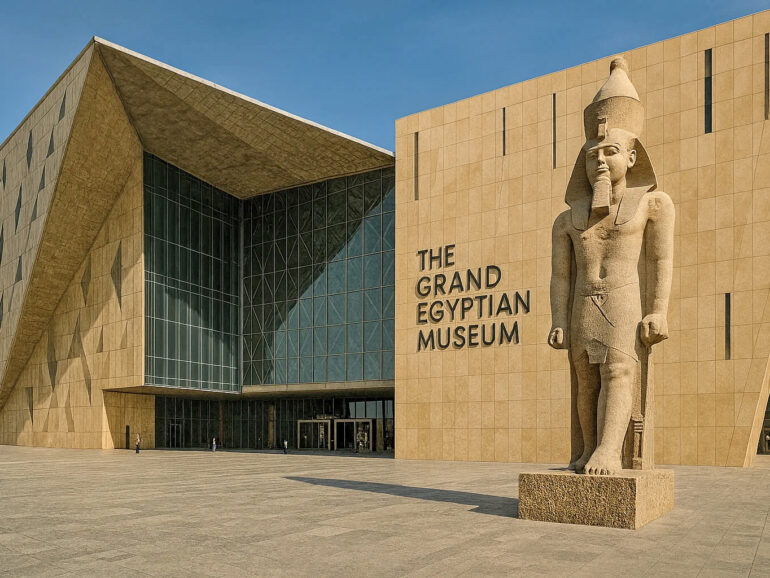
The grand atrium leaves the first and perhaps most unforgettable impression. Dominating the vast entrance hall is the colossal statue of Ramses II, one of ancient Egypt’s most celebrated rulers. Standing more than 11m high and weighing over 80 tonnes, the statue welcomes visitors with a powerful promise of the grandeur that awaits inside. Nearby, statues of pharaohs, deities and nobles create an atmosphere that immediately immerses visitors in Egypt’s ancient world.
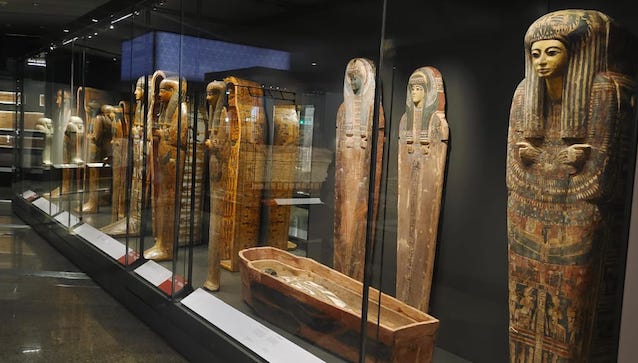
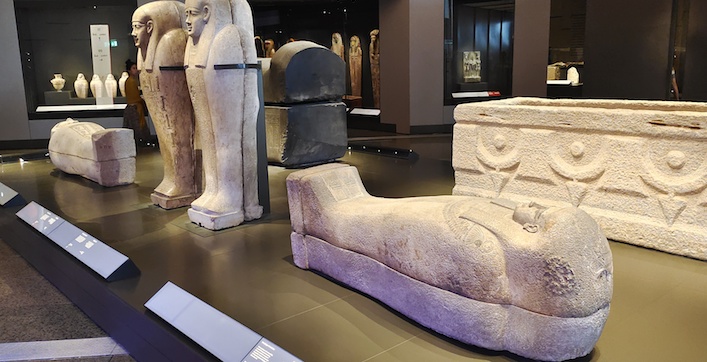
These masterpieces set the tone for what unfolds throughout the museum. Collections of papyri, intricately carved coffins, jewellery, statues and ceremonial objects reveal the sophistication of ancient Egyptian society, its artistic brilliance and deeply rooted spiritual traditions.
Pharaoh’s treasures
GEM houses more than 100,000 artefacts, many of which are being displayed to the public for the first time. Among its most anticipated highlights is the complete collection of treasures belonging to Tutankhamun. For the first time since their discovery by Howard Carter in 1922, the young pharaoh’s treasures are displayed together under one roof, including his iconic golden mask, gilded coffins, ceremonial throne, chariots, jewellery and royal garments.
Seeing these extraordinary objects carefully presented was undoubtedly one of the most captivating moments of the visit. The exhibition offers a rare opportunity to appreciate not only the artistic craftsmanship of the pieces but also the story of a ruler whose tomb remains one of archaeology’s greatest discoveries.
One of the museum’s greatest strengths is its chronological presentation of Egyptian civilisation. Through a series of expansive galleries, visitors travel across millennia of history, from prehistoric settlements and the emergence of the first kingdoms to the splendour of the New Kingdom and the Greco-Roman era. Interactive displays, multimedia presentations and immersive exhibitions bring ancient stories to life, offering deeper insights into daily life, religion, governance and artistic achievements.
Among the museum’s standout attractions is the Khufu Boat, one of the most significant archaeological discoveries of the twentieth century. The 4,600-year-old cedar vessel, discovered buried beside the Great Pyramid, has been painstakingly restored and transferred to a dedicated gallery within GEM. The remarkably preserved boat offers a rare glimpse into ancient Egyptian funerary traditions and beliefs surrounding the pharaoh’s journey to the afterlife.
Emphasis on engagement
The museum also places strong emphasis on education and public engagement. Dedicated learning centres, interactive programmes and children’s exhibits introduce younger generations to Egypt’s heritage through hands-on experiences and digital technologies. These initiatives reflect GEM’s broader mission of making history accessible to audiences of all ages while inspiring future generations of archaeologists, historians and conservation experts.
Architecturally, the museum is a masterpiece in its own right. A monumental staircase rises through the heart of the complex, lined with statues of kings, queens and deities that guide visitors on a symbolic ascent through Egypt’s history. The journey culminates in breathtaking panoramic views of the Giza Pyramids framed by vast glass facades, creating a striking dialogue between the museum’s contemporary design and the ancient wonders it celebrates.
One of the most remarkable aspects of the museum is the seamless integration of technology into the visitor experience. Digital screens, augmented reality features and immersive visual presentations help explain complex historical narratives in engaging and accessible ways. Rather than simply displaying artefacts, the museum invites visitors to explore the stories behind them, creating a deeper understanding of the civilisation that produced them.
Throughout the galleries, visitors from around the world appeared equally mesmerised. Families, students and history enthusiasts moved from one exhibit to another in quiet admiration. Conversations in multiple languages echoed through the halls, underscoring the museum’s global appeal and its role as a meeting point for cultures united by a shared fascination with the ancient world.
Shared heritage
Beyond its cultural significance, the museum serves as a pioneering scientific institution. Its advanced conservation laboratories are dedicated to the restoration and preservation of delicate antiquities, supporting research collaborations between Egyptian and international experts. These facilities are expected to play a crucial role in safeguarding humanity’s shared heritage for generations to come.
The museum’s commercial spaces, including retail outlets, restaurants and visitor amenities, enhance the overall experience while contributing to the institution’s long-term sustainability. Yet the heart of the project remains firmly rooted in its mission to protect, study and share Egypt’s extraordinary heritage with the world.
The Grand Egyptian Museum is also expected to become a major driver of tourism and economic growth. Situated just minutes from the Giza Pyramids, the museum forms part of a broader strategy to strengthen Egypt’s position as one of the world’s leading cultural and heritage destinations. Tourism officials expect the museum to attract millions of visitors annually, generating new opportunities for investment, employment, and cultural exchange.
As daylight fades over the Giza Plateau and the pyramids glow on the horizon, the Grand Egyptian Museum offers far more than a display of ancient treasures. It presents a living narrative of one of humanity’s greatest civilisations. By combining archaeological wonders, cutting-edge technology and world-class conservation, GEM has established itself as a global cultural landmark that will shape how future generations understand ancient Egypt for decades to come.
For visitors, the museum is an unforgettable encounter with the past. For Egypt, it is a symbol of national pride and cultural confidence. And for the world, it is a gateway to one of history’s most enduring and fascinating civilisations.
© 2021 Apex Press and Publishing. All Rights Reserved. Powered by Mesdac