 By OUR CORRESPONDENT
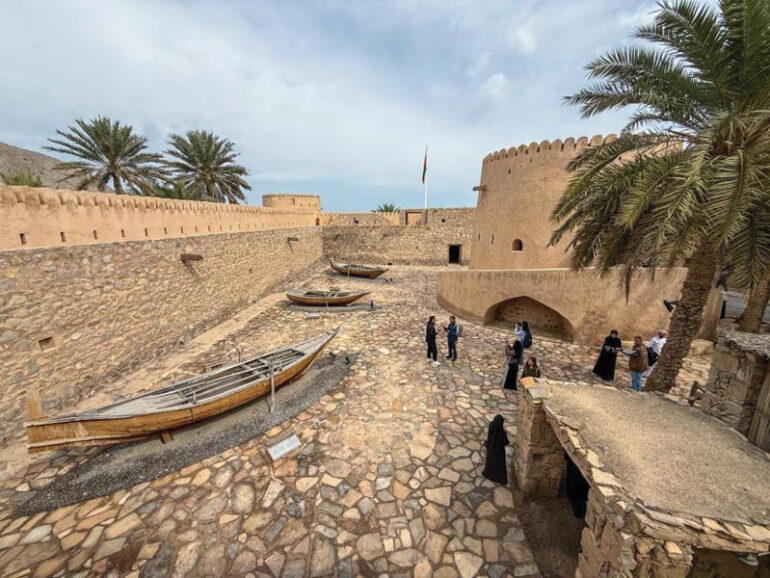
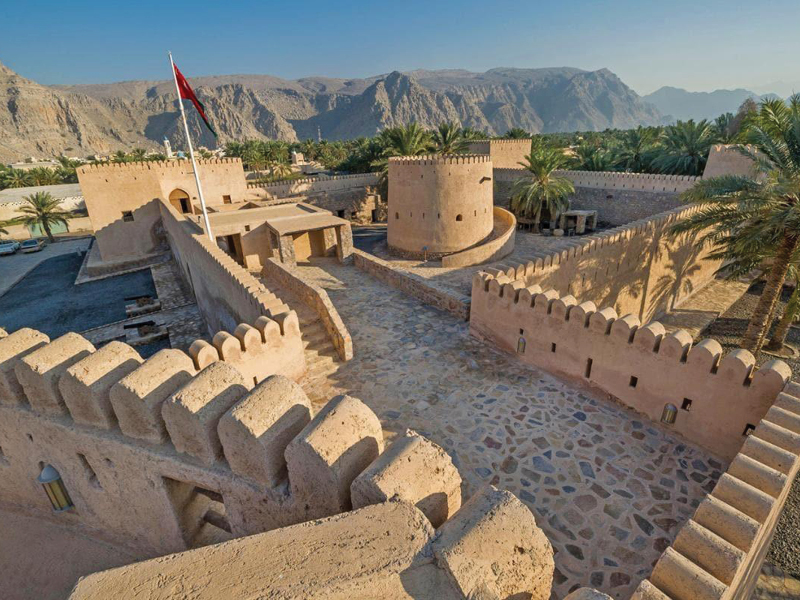
Khasab – For generations, the walls and towers of Khasab Fort have stood close to one of the world’s most strategic waterways, bearing witness to Musandam’s maritime trade, changing fortunes and the everyday lives of communities shaped by the sea and mountains.
Now, the historic landmark near the entrance to the Strait of Hormuz is preparing for another chapter.
Temporarily closed for restoration and development, the fort is expected to reopen in the first half of 2027, with work aimed at safeguarding its architecture while enhancing the museum experience for visitors.
Before its closure, Khasab Fort attracted 6,305 visitors in the first ten months of 2025, according to Ministry of Heritage and Tourism figures.
Nawfal bin Mohammed Al Kamzari, Assistant Director of the Heritage and Tourism Department in Musandam, said the fort’s significance extends beyond its physical structure.
“Khasab Fort is one of the most important historical landmarks in the governorate due to its connection to the history of the region and its strategic role at the entrance to the Strait of Hormuz,” he said.
Through different periods, the fort performed defensive, administrative and social roles, reflecting the importance of Khasab and the wider Musandam peninsula to Oman.
Today, its significance lies equally in what is preserved inside.
The fort’s museum brings together traditional artefacts, handicrafts, maritime tools, costumes and displays documenting the customs and daily lives of Musandam’s inhabitants across generations. Models of traditional architecture offer another glimpse into how communities adapted to the governorate’s distinctive landscape and climate.
Among these is the Lock House, one of Musandam’s best-known architectural forms, alongside other structures using palm-frond construction techniques.
The fort itself retains the defensive character of an earlier age through its fortified walls, towers and prominent central tower.
Al Kamzari said these features, combined with the museum collections, make the site important not only to tourists but also to researchers and those interested in Oman’s cultural history.
Preservation has been an ongoing process.
Khasab Fort underwent restoration in the early 1990s. It was restored and developed as an integrated museum in 2006, followed by further rehabilitation in 2007, including work on buildings, treatment of humidity and upgrades to facilities.
The latest restoration continues that effort, seeking to preserve the fort’s original architectural character while ensuring the complex can serve future generations.
Its central location in Khasab, close to several of Musandam’s natural attractions, also gives the fort a wider role in the governorate’s tourism offering.
Al Kamzari believes that role can grow further after reopening through heritage markets, handicraft exhibitions, folk performances, seminars and cultural events that bring local traditions into the fort rather than treating it simply as a static museum.
Such activities could turn the landmark into a more active cultural space while giving visitors a deeper understanding of Musandam’s seafaring traditions, crafts, clothing, architecture and folk arts.
For local communities, however, its value goes beyond tourism.
Al Kamzari described preserving and developing Khasab Fort as an investment in Oman’s “national memory” – protecting not merely an old building, but the stories, skills and identity carried within its walls.

© 2021 Apex Press and Publishing. All Rights Reserved. Powered by Mesdac