 By OUR CORRESPONDENT
Muscat – In a world of relentless notifications, scrolling and an almost uninterrupted stream of information, some young Omanis are finding an unlikely antidote: silence.
From camping in the mountains and spending nights in the desert to sailing, diving and simply sitting beside the sea, temporary breaks from screens are becoming a way for young people to step away from digital overload and regain focus.
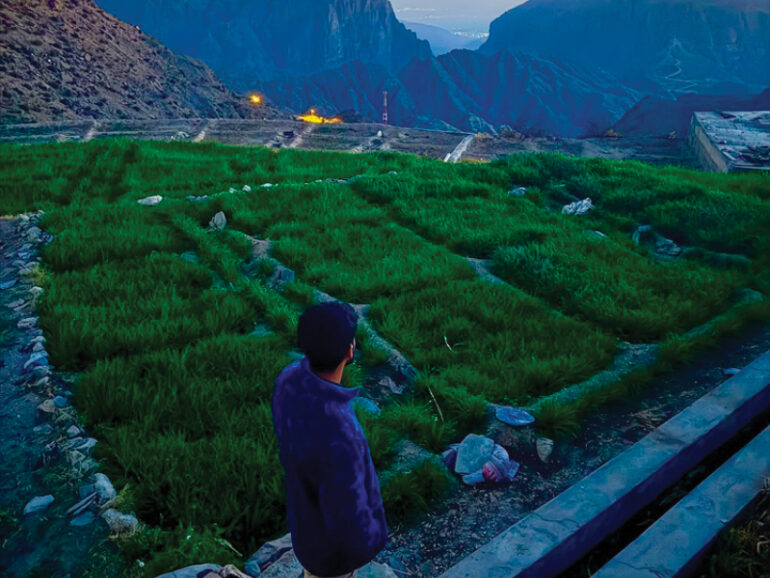
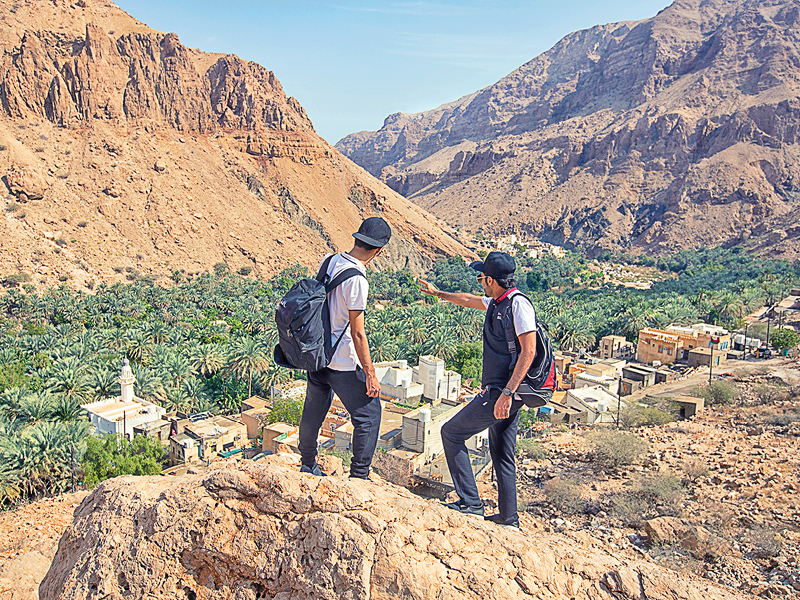
Oman’s diverse landscape – mountains, deserts, wadis, plains and a coastline stretching thousands of kilometres – provides a natural setting for this growing inclination towards quieter, offline experiences.
Badriya bint Hamad Al Mushrafi, a researcher in citizenship issues, believes temporary solitude can provide relief from professional, family, economic and personal pressures.

“Solitude is a healthy phenomenon, as young people find in it an outlet and a renewal of their psychological, spiritual and physical activity,” she said.
Badriya said reading, writing, sport and trips into Oman’s natural surroundings can help young people temporarily distance themselves from the “hustle and bustle of the virtual world”.
But switching off, she cautioned, works best when it has purpose.
“For this retreat to be beneficial and leave a positive impact, it must be planned in advance,” Badriya said, suggesting that people determine how long they want to disconnect, reduce digital distractions and fill the time with meaningful activities.
Psychological counselling specialist Reem bint Hamad Al Rawahi sees the issue less as an overload of responsibilities and more as an overload of stimuli.
“Many young people, especially university students, do not suffer from a large number of responsibilities as much as they suffer from a large number of stimuli surrounding them,” Reem said.
Constant notifications and information, she explained, can place a growing cognitive burden on the brain, affecting concentration, emotional regulation and decision-making.
Periods spent in quiet natural environments can help restore attention and provide mental space, she added.
Yet Reem draws an important line between healthy solitude and withdrawal.
“Positive isolation is a space that an individual allocates to themselves to calm down, review their thoughts and regain their psychological balance, and then they return more able to communicate, achieve and deal with life’s challenges,” she said.
By contrast, withdrawing progressively from relationships, responsibilities or previously enjoyed activities could signal that a person needs support.
For Abdullah bin Yousef Al Balushi, a trainer and digital content creator, abandoning technology altogether is neither practical nor desirable.

“The solution is not to completely stay away from the platforms, because technology has become part of studying, working and communicating, but rather to build a balanced relationship with it,” Al Balushi said.
He recommends reviewing screen time, identifying apps that consume the most attention and setting realistic limits.
Sport, reading, hobbies and face-to-face interaction can restore a sense of time often lost online, he said. For content creators in particular, experiences away from screens are not a distraction from their work but a source of ideas and stories.
“Digital maturity is about using technology to serve you, not becoming subservient to it,” Al Balushi said.
Oman’s geography gives young people another advantage.
Jihad Khalid Al Farsi, a wildlife enthusiast, said the combination of mountains, deserts, wadis, coasts and seasonal green landscapes offers numerous places where visitors can escape urban noise and reconnect with their surroundings.
But he stressed that seeking tranquility in nature also carries responsibility.
Al Farsi advocates responsible tourism and a ‘leave no trace’ approach – taking rubbish away, avoiding damage to trees and vegetation, not disturbing wildlife or breeding sites, and camping only where permitted.

“Omani nature is not just a place we visit when we need to relax, but a living system of which we are a part, and we are responsible for protecting and sustaining it,” he said.
For a generation whose work, education, entertainment and friendships increasingly converge on the same screen, the answer may therefore not be abandoning the digital world.
It may simply be learning when to step away from it – and, in Oman, knowing there is a mountain, beach, wadi or desert waiting when they do.
© 2021 Apex Press and Publishing. All Rights Reserved. Powered by Mesdac