 By OUR CORRESPONDENT
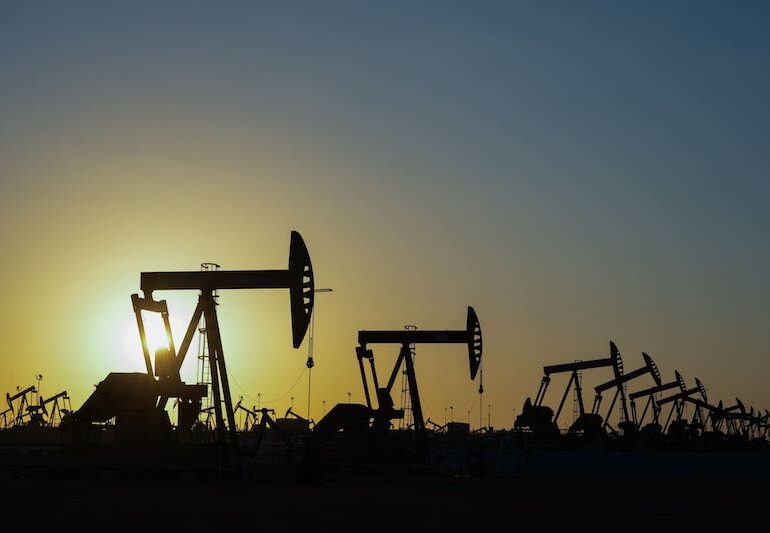
Muscat – Oman’s total oil production increased by 10.6% year-on-year during the first half of 2026, supported by higher crude output as the sultanate continued to benefit from increased production and stable export operations.
According to data released by the National Centre for Statistics and Information (NCSI), total oil production reached 198.01mn barrels during the January-June period, compared with 179.05mn barrels in the corresponding period of 2025.
Average daily oil production rose by more than 10% to nearly 1.1mn barrels per day (bpd) in the first six months of 2026, up from 989,200 bpd a year earlier. The highest average daily output this year was recorded in May at 1.172mn bpd, while June averaged 1.145mn bpd. This marks a notable increase from the average daily production of around 1mn bpd recorded in 2025.
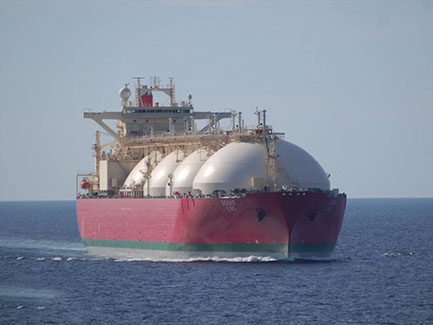
Oil exports posted more moderate growth, rising 2.4% year-on-year to 155.22mn barrels during the first half of 2026, compared with 151.6mn barrels in the same period last year.
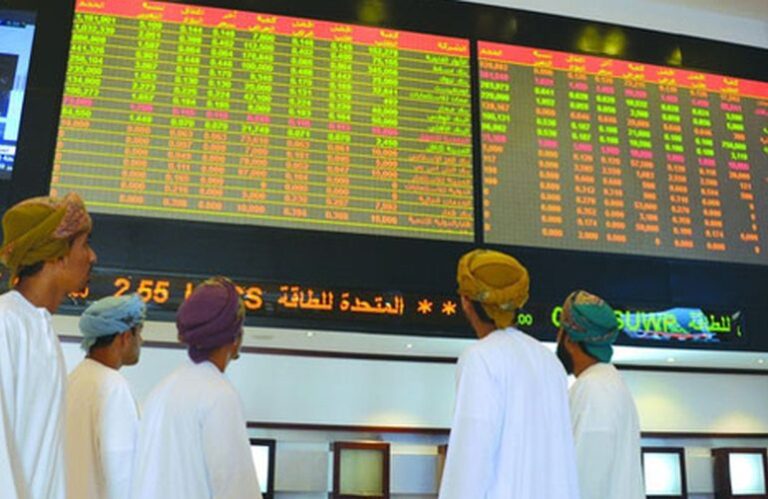
Meanwhile, the average price of Omani crude climbed 9.4% to US$80.9 per barrel during the January-June period, up from US$74.0 per barrel a year earlier. NCSI data showed that the highest monthly average selling price was recorded in May at US$124.1 per barrel, while the average price in June stood at US$104.7 per barrel.
The combination of higher production and stronger oil prices is expected to support Oman’s economic growth this year, providing additional fiscal revenues and offsetting softer growth in some non-oil sectors amid continued geopolitical uncertainty in the region.
The International Monetary Fund (IMF) said in June that Oman’s economy remains resilient despite ongoing tensions in the Middle East and is expected to record stronger growth in 2026, supported by increased oil and gas production and prudent macroeconomic policies.
The IMF noted that Oman’s oil and natural gas infrastructure has remained largely unaffected by the regional conflict, with the country’s principal export terminals located outside the Strait of Hormuz. This has enabled the sultanate to maintain uninterrupted energy exports while benefiting from higher production levels.
The Fund projects Oman’s economy to expand by 3.7% in 2026, compared with an estimated 2.4% in 2025.
Earlier, S&P Global Ratings also highlighted Oman’s strategic geographical advantage, noting that the country’s oil and gas exports have continued without disruption because they do not depend on transit through the Strait of Hormuz.
The stronger performance of the hydrocarbons sector is already feeding into broader economic activity. Preliminary NCSI data show that Oman’s real GDP grew by 3% year-on-year in the first quarter of 2026, driven by higher oil and gas production alongside robust expansion across key services sectors.
Petroleum activities, which accounted for nearly one-third of the economy, increased by 4.6% in the first quarter. Crude oil activities expanded by 4.3%, while natural gas activities recorded stronger growth of 6%.
© 2021 Apex Press and Publishing. All Rights Reserved. Powered by Mesdac