 By OUR CORRESPONDENT
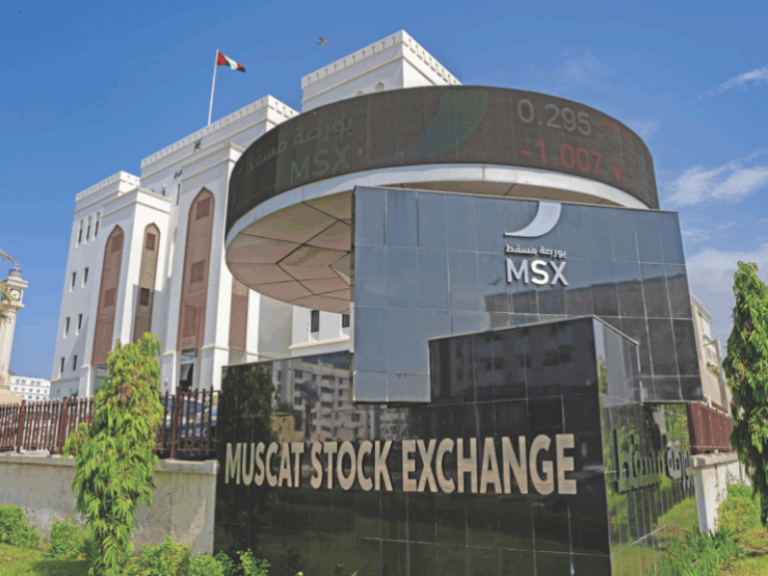
Muscat – Omani banks continue to benefit from favourable operating conditions, supported by steady economic growth, relatively high oil prices and ongoing economic diversification, with the banking sector expected to remain resilient despite heightened regional tensions, according to Fitch Ratings.
‘The banking sector’s operating environment is likely to remain resilient despite the Iran war, as Oman is the Gulf country least exposed to the conflict,’ Fitch said in a statement.
The ratings agency said Oman’s economic diversification agenda is strengthening the country’s long-term growth prospects while creating new lending opportunities for banks. Fitch expects Oman’s banking sector credit growth to reach around 5% in 2026.
The agency noted that its decision to upgrade all Omani banks in December 2025, following the sovereign rating upgrade, reflected improving domestic operating conditions that have strengthened the intrinsic credit profiles of several banks.
Asset quality for Omani banks is also expected to improve gradually during 2026. Fitch said favourable economic conditions and continued loan growth should keep the sector’s impaired loan ratio at manageable levels despite elevated geopolitical risks. The impaired loan ratio stood at 4.2% at the end of the first quarter of 2026.
The rating agency said the operating profit-to-risk-weighted assets ratio for Fitch-rated Omani banks remained at 2% during the first three months of 2026, unchanged from 2024 and 2025. Lower interest rates have had only a limited impact on banks’ net interest margins, it added.
Fitch expects Omani banks to maintain adequate capitalisation metrics in 2026, supported by strong earnings generation and measured balance sheet growth. The average Common Equity Tier 1 ratio for Fitch-rated banks stood at 13% at the end of the first quarter of 2026, providing a comfortable buffer above the regulatory minimum.
The rating agency added that low capital encumbrance and stable asset quality would continue to support the banking sector’s capital position.
Funding and liquidity conditions are also expected to remain sound. Fitch said relatively high oil prices would continue to support customer deposit growth, with customer deposits accounting for around 91% of the banking sector’s non-equity funding.
‘Stable deposits from the government and government-related entities are also expected to underpin liquidity, although the concentration of deposits remains one of the sector’s key structural risks,’ Fitch added.
© 2021 Apex Press and Publishing. All Rights Reserved. Powered by Mesdac