 By OUR CORRESPONDENT
Muscat – Oman’s trade surplus widened marginally to RO1.54bn in the first quarter of 2026, compared with RO1.53bn recorded during the corresponding period of 2025 as both exports and imports decline, according to preliminary data released by the National Centre for Statistics and Information (NCSI).
The sultanate’s total merchandise exports stood at RO5.3bn during the January-March period, down 8.5% from RO5.8bn in the same period last year.
Merchandise imports also declined, falling 11.7% to RO3.8bn from RO4.3bn a year earlier, helping to support the trade surplus despite weaker export earnings.
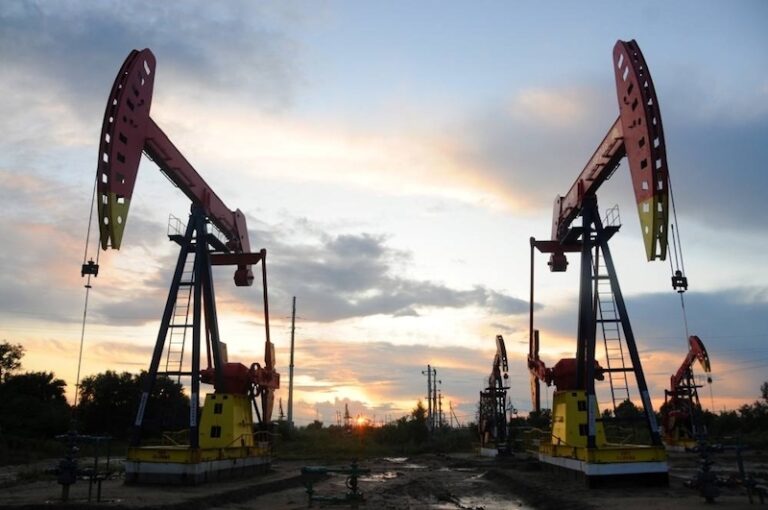
The decline in export revenue was mainly driven by lower oil and gas exports, which fell 13% to RO3.4bn in the first quarter of 2026, compared with RO3.9bn in the corresponding period of 2025.
Non-oil merchandise exports edged down 0.6% to RO1.61bn, compared with RO1.62bn in the first quarter of last year.
In contrast, re-exports recorded positive growth, rising 4.6% to RO367mn from RO351mn during the same period in 2025.
UAE remains Oman’s largest trading partner
The UAE continued to be Oman’s leading trading partner during the first quarter of 2026.
The UAE was the largest destination for Oman’s non-oil exports, which totalled RO382mn, and also remained the top market for re-exports from the sultanate, valued at RO102mn. It was additionally the largest source of imports into Oman, with imports amounting to RO1.1bn.
Saudi Arabia ranked second among destinations for Oman’s non-oil exports at RO201mn, followed by India at RO156mn.
In terms of re-exports, Saudi Arabia also ranked second with RO102mn, while Iran came third with RO48mn.
On the import side, China was the second-largest supplier to Oman, with imports valued at RO537mn, followed by Saudi Arabia at RO308mn.
© 2021 Apex Press and Publishing. All Rights Reserved. Powered by Mesdac