 By OUR CORRESPONDENT
Muscat – Two locations in the south of Oman could play a central role in the sultanate’s green hydrogen ambitions, according to a new study by researchers at Sultan Qaboos University (SQU).
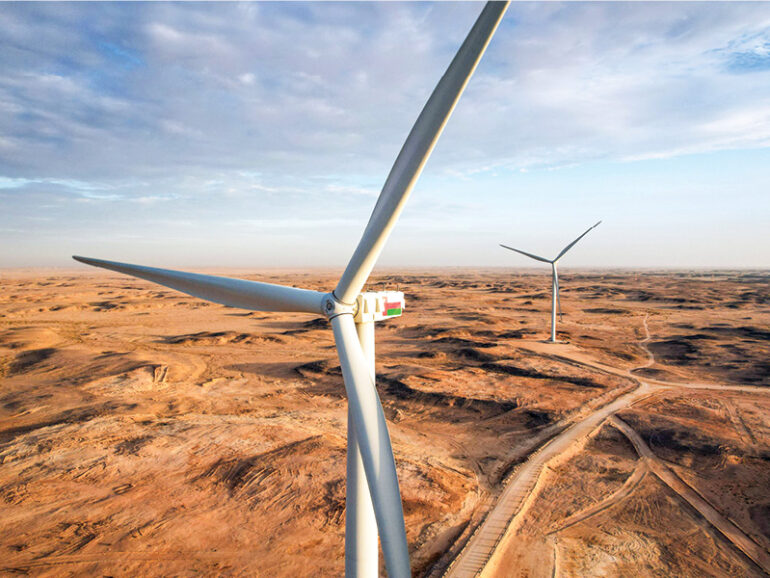
The study identified Thumrait and Marmul as among the most promising sites for converting wind energy into green hydrogen, a fuel widely viewed as a key component of the global transition to low-carbon energy.
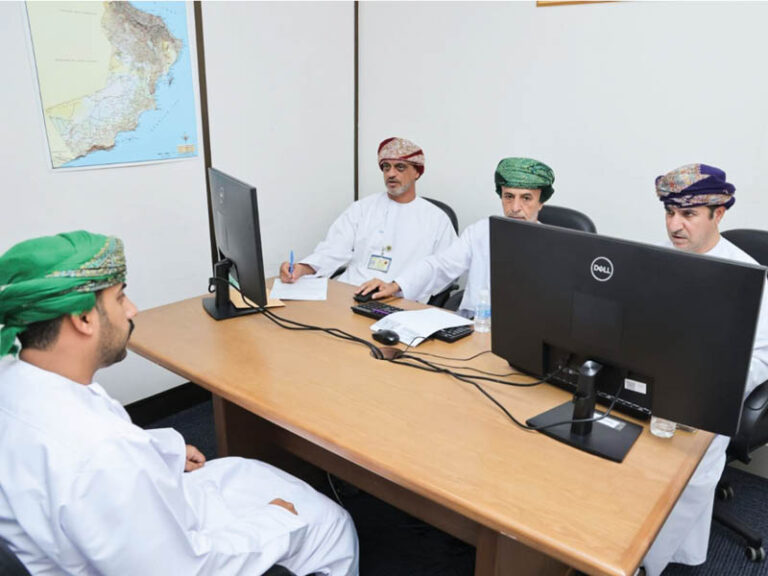
Led by Dr Naveed Nasiri from SQU’s College of Engineering, the research examined how Oman’s wind resources could be harnessed to support large-scale hydrogen production and help bridge the gap between renewable energy generation and emerging hydrogen technologies.
Researchers conducted simulations across 14 locations in Oman, using advanced statistical methods to evaluate wind resources and their suitability for hydrogen production. The assessment measured not only wind speeds but also economic feasibility, operational reliability and the practicality of converting renewable electricity into hydrogen for storage and export.
The findings showed that Thumrait and Marmul offer favourable conditions for year-round wind power generation, enabling the continuous operation of turbines and supporting stable hydrogen production.
According to the study, the strong performance of both locations could strengthen Oman’s position as a future exporter of green hydrogen and renewable energy products.
The research also highlighted the environmental benefits of such projects. Large-scale wind-powered hydrogen production could significantly reduce carbon emissions and support Oman’s climate objectives under Vision 2040.
Researchers estimate that projects in locations such as Thumrait could prevent the release of thousands of tonnes of carbon emissions annually, contributing to the sultanate’s target of achieving net-zero emissions by 2050.
The study noted that green hydrogen has the potential to serve both economic and environmental goals by creating a new export industry while reducing dependence on carbon-intensive energy sources.
At the same time, researchers acknowledged challenges linked to developing renewable energy projects in desert environments. Water availability for electrolysis and infrastructure requirements in remote areas remain key considerations.
To address these issues, the team proposed integrating wind farms with alternative water sources and expanding supporting infrastructure to improve project viability.
The researchers said the findings provide a framework for developing renewable energy systems suited to arid regions and could help guide future investment decisions as Oman advances its clean energy strategy.
© 2021 Apex Press and Publishing. All Rights Reserved. Powered by Mesdac