 By OUR CORRESPONDENT
Muscat – As Oman enters the peak summer season with rising temperatures, health and occupational safety experts are urging employers and workers to take extra precautions against heat-related illnesses and injuries.
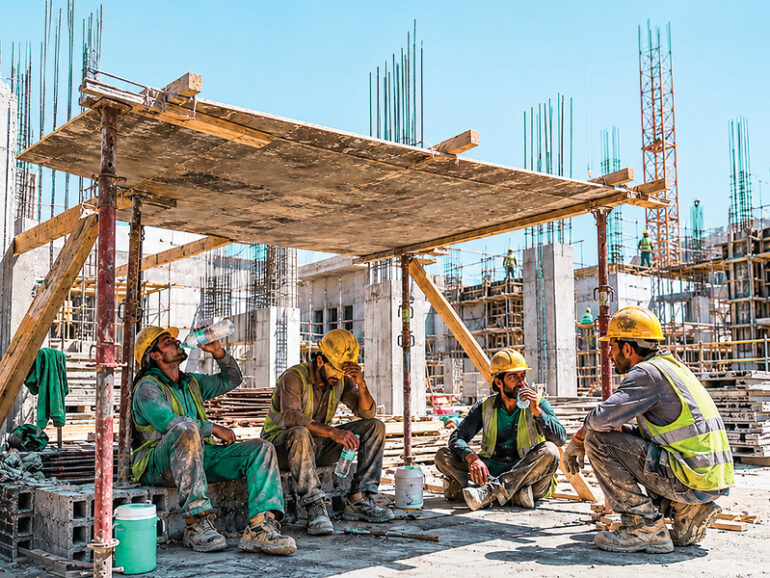
The annual midday work ban comes into effect on June 1, prohibiting outdoor work at construction sites and exposed workplaces between 12.30pm and 3.30pm until the end of August. The measure aims to protect workers from extreme heat and reduce the risk of heat stress, dehydration and other serious health complications.
Issa Al Rawahi, an occupational health specialist, warned that prolonged exposure to high temperatures can quickly overwhelm the body’s natural cooling mechanisms.
“Workers exposed to direct sunlight for extended periods are vulnerable to heat exhaustion and heatstroke, which can become life-threatening if not addressed immediately,” he said. “Symptoms such as dizziness, headaches, excessive sweating, fatigue and muscle cramps should never be ignored.”
Experts recommend that employers provide continuous access to drinking water, shaded rest areas and sufficient recovery breaks throughout the working day. They also advise scheduling physically demanding tasks during the cooler morning and late afternoon hours.
Ahmed Al Balushi, a weather specialist, said that while Omanis are familiar with the country’s hot summer climate, caution remains essential.
“We are accustomed to Oman’s hot summer conditions, but that should never lead to complacency,” he said. “Outdoor workers should stay well hydrated, wear light and breathable clothing, use protective headgear and take regular breaks in shaded or air-conditioned areas. These simple measures can significantly reduce the risk of heat-related illnesses.”
Occupational safety consultant Shihab Al Balushi stressed the importance of preventive planning at worksites. “Employers should monitor weather conditions daily, conduct regular safety briefings and train supervisors to recognise signs of heat-related illness,” he said. “Rotating workers, reducing strenuous activity during peak heat and encouraging regular hydration can make a significant difference.”
Medical professionals also advise workers to avoid excessive consumption of caffeinated and sugary beverages, which can contribute to dehydration. They recommend drinking water regularly, even in the absence of thirst, as thirst alone may not accurately reflect the body’s hydration needs during extreme heat.
Labour and safety specialists note that the midday work ban reflects Oman’s long-standing commitment to safeguarding workers’ welfare and promoting safe working conditions during the summer months. “As temperatures rise, safety must remain everyone’s responsibility,” Al Rawahi said. “Protecting workers from heat is not only a legal obligation but also a humanitarian and economic necessity.”
With another hot summer underway, experts agree that awareness, preparation and strict adherence to safety regulations will be critical to keeping workers healthy, safe and productive throughout the season.
© 2021 Apex Press and Publishing. All Rights Reserved. Powered by Mesdac