
 By OUR CORRESPONDENT
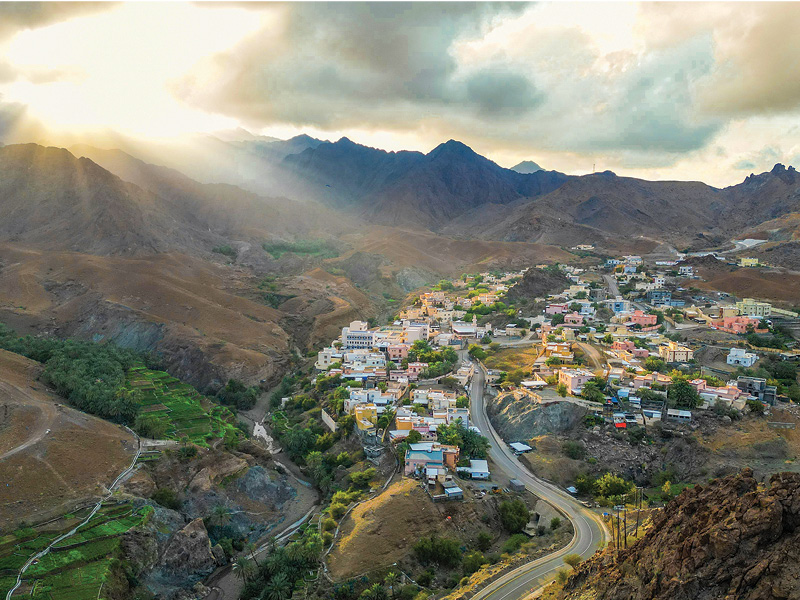
Suhar – Tucked into Wadi Haybi in North Batinah, Al Khad village has become a summer draw for visitors seeking cooler air, mountain trails and a glimpse of rural life.
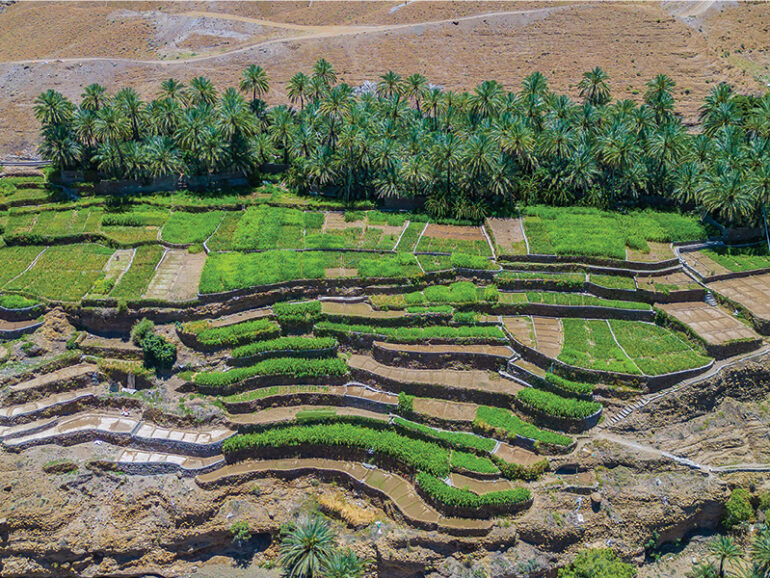
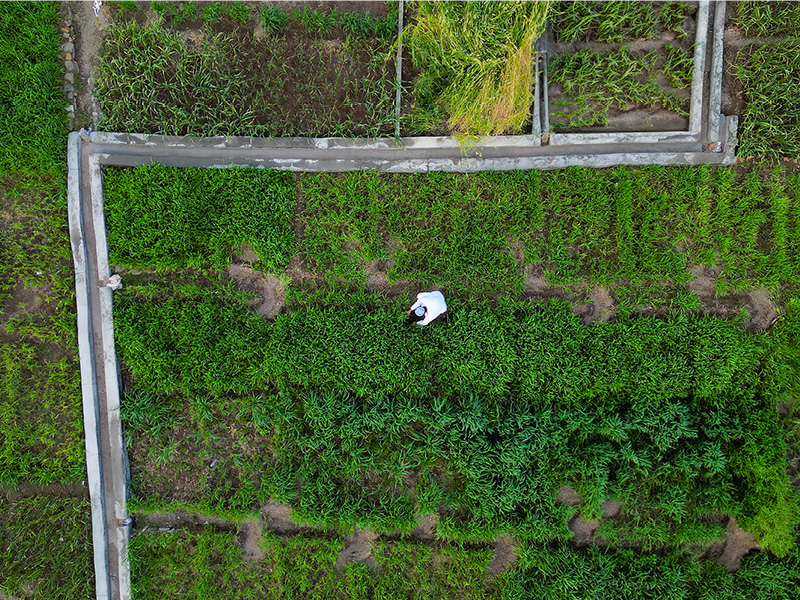
Set against a backdrop of terraced farms and rugged hills, the village combines agriculture, heritage and adventure tourism. Dates, citrus fruits, mangoes and grapes grow alongside wheat, barley, garlic and onions. The farms are sustained by a network of aflaj and springs, including Falaj Al Suwaidi, Falaj Al Dhahir and Falaj Al Bilad, part of a system that has long supported settlement in the area.
Beyond its fields, Al Khad offers a landscape shaped by caves and mountain passes. Al Qubail, Al Manzafa, Al Burj and Al Qubaib caves attract visitors interested in exploration. Trails linking the village to neighbouring settlements range from 3km to 6km, drawing hikers and photographers during the cooler months.
Ali bin Darwish Al Ajmi, head of the Tourism Promotion Department at the Heritage and Tourism Directorate in North Batinah, said the village stands out in Suhar during summer. “Al Khad village is a distinctive tourist destination in Suhar during the summer season. It is characterised by its diverse natural landscape, including mountains, valleys and springs,” he said.
He noted that four mountain trails connect Al Khad to surrounding villages. Routes to the north and east lead to Wadi Al Sarmi, Katam and Al Sham through Wadi Haybi. To the south and west, trails extend towards Al Waqbah and Falaj Al Sudairiyin in Dhahirah.
Authorities are currently working to assess and approve hiking routes before promoting these through official platforms. Among the routes under review is a 10-12km circuit starting from Al Gharbi Mosque to Wadi Al Khubain and Wadi Al Malha Dam before looping back through the village. Other trails connect the Public Council to Katam village and to Al Manzafa Castle and Jabal Al Ahwar Al Sharqi, passing by stone towers known as Al Ala’im.
Al Ajmi said the directorate is coordinating with local sports and cultural groups to raise awareness of rural tourism and encourage the development of community-based products with the aim of creating employment opportunities while preserving heritage.
For residents, agriculture remains central. “Agriculture is one of the most important inherited crafts in the village,” said Saif bin Saeed bin Saif Al Hamdi, a local resident. He added that villagers also produce walking sticks from native trees such as atam, sidr and salam, along with palm frond items and vegetable oils extracted from local plants.
As Oman promotes domestic tourism, Al Khad presents a model rooted in nature and tradition – where aflaj still irrigate terraces and mountain paths connect communities as they have for generations.
© 2021 Apex Press and Publishing. All Rights Reserved. Powered by Mesdac