 By OUR CORRESPONDENT
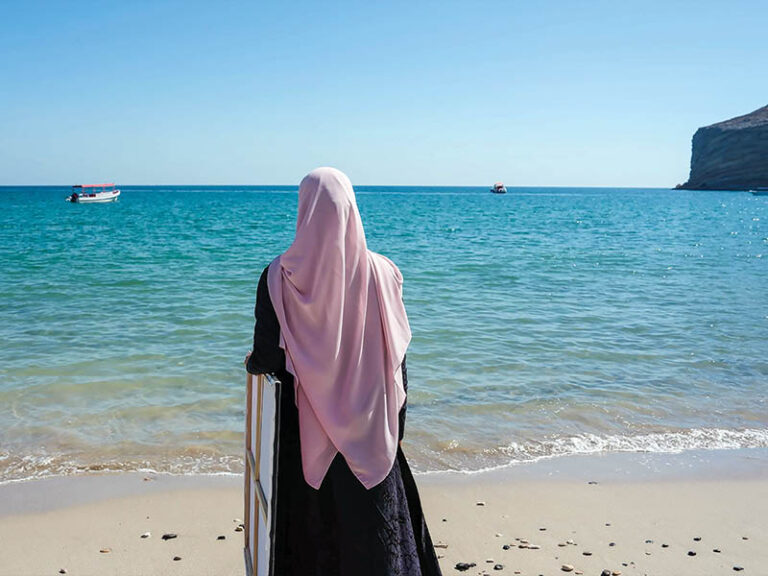
Muscat – New discoveries from the 2025–2026 field season of the ‘Time of Magan’ projects are offering new insights into how some of Oman’s earliest coastal communities lived and worked thousands of years ago.
Led by Valentina Azzarà of Leiden University and independent researcher Alexandre De Rorre, the project has examined settlement patterns along Oman’s coastline since 2017. Its latest findings add details to the story of early societies whose lives were closely tied to the sea.
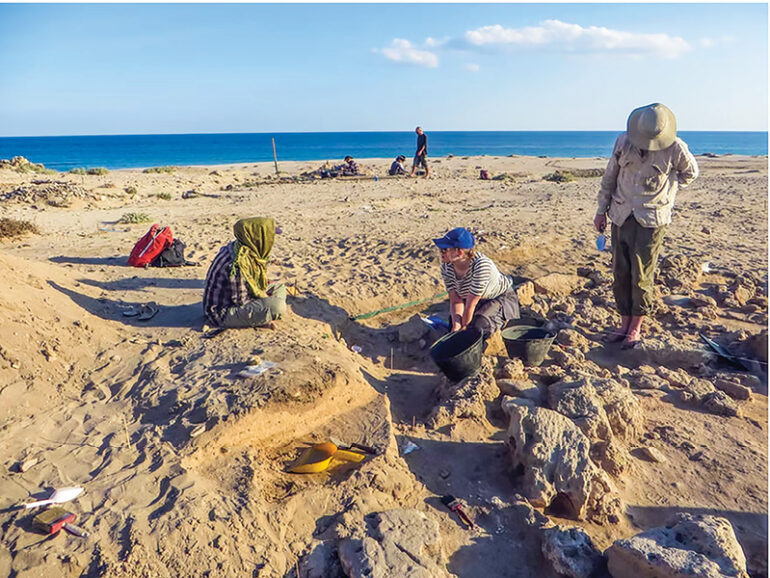
Research has focused on sites along the eastern seaboard, including Quriyat, areas near Sur and Ras Al Jinz. Excavations and surveys indicate continuous occupation from the Late Neolithic through the Bronze Age.
At the Quriyat site (KM-1), archaeologists identified what is believed to be a seasonal coastal settlement dating to around 4300 BCE. The site contains distinct activity zones, including areas for crafting mother-of-pearl fishhooks and domestic spaces used for cooking and food preparation. The layout suggests a community organised around marine resources.
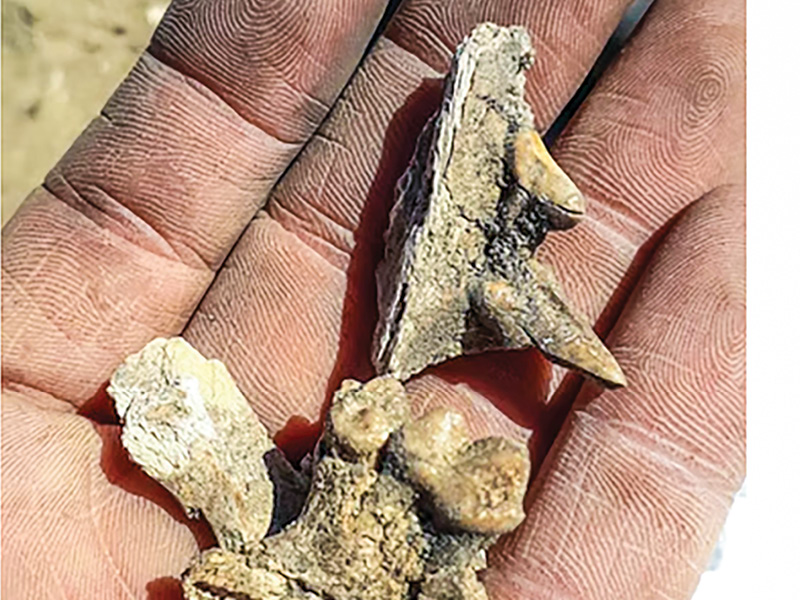
Further north at Shiya (SHY-4), more than 80 structural remains dating between 4000 and 3300 BCE point to a structured settlement. Variations in building types indicate zones for habitation, storage and craft activity, reflecting a more complex social arrangement than previously assumed for the period.
At Ras Al Jinz (RJ 142), researchers documented occupation spanning several cultural phases, from the Hafit to the Wadi Suq periods. More than 100 structures have been recorded, including possible tombs. Evidence of specialised production, such as shell ring manufacturing and food-processing installations, indicates established craft traditions and economic activity linked to coastal trade networks.
Akash Kumar, an archaeologist from India who joined the project this season, said the findings challenge earlier assumptions. “These sites show us that coastal communities in Oman were far more sophisticated than we once thought. We’re seeing clear evidence of planning, specialisation and a deep understanding of marine resources that sustained these populations over generations,” he said.
Researchers warn that rapid coastal development poses risks to such sites. Documentation and preservation efforts are ongoing as part of the fieldwork. “There is an urgency to document and preserve what we can,” Kumar said. “Once these sites are gone, we lose an irreplaceable part of human history — not just for Oman, but for the wider region.”
© 2021 Apex Press and Publishing. All Rights Reserved. Powered by Mesdac