
 By OUR CORRESPONDENT
Muscat – Oman is pressing ahead with reforms to enhance healthcare delivery and expand domestic pharmaceutical manufacturing, as the Ministry of Health (MoH) seeks to improve public health and reduce reliance on imports.
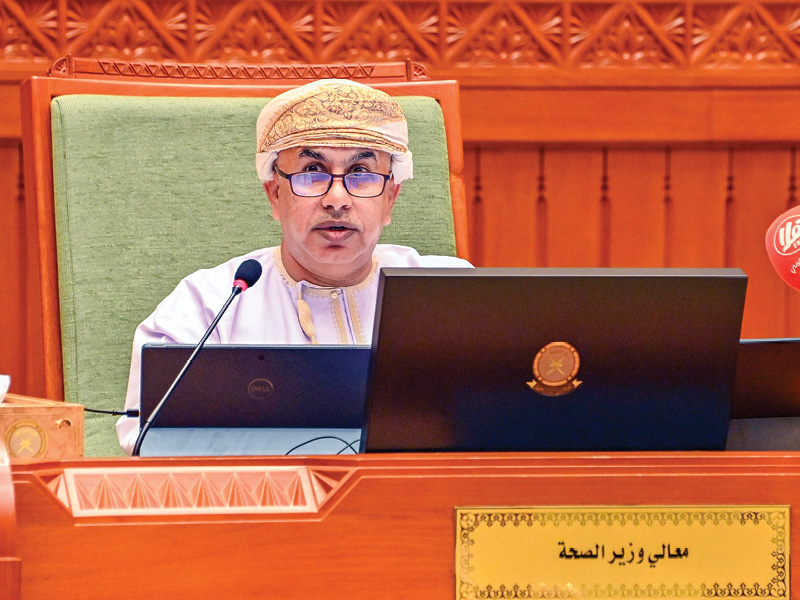
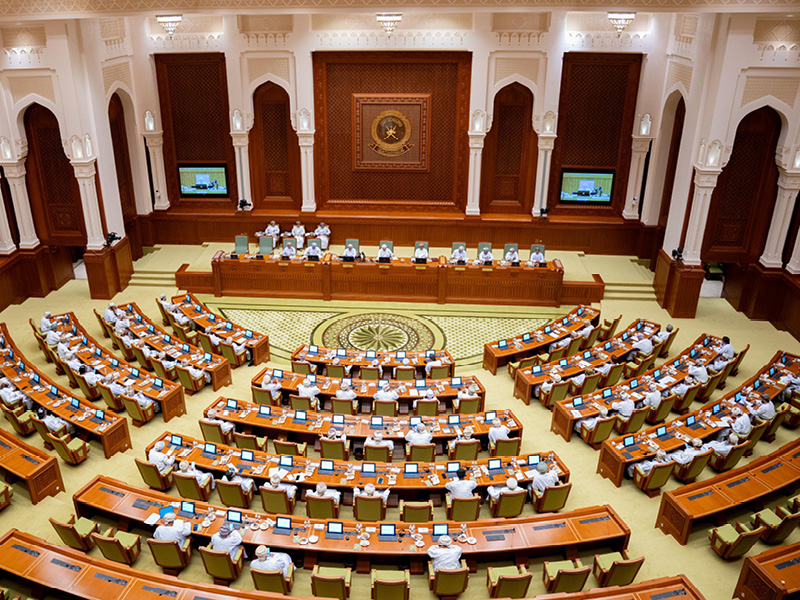
Presenting a review before Majlis A’Shura, H E Dr Hilal Ali Al Sabti, Minister of Health, outlined progress under the 10th Five-Year Plan (2021–2025) and priorities for the next.
Eighteen medical industrial projects are currently under construction across the sultanate, covering pharmaceutical production, raw materials and medical supplies. The expansion is part of a strategy to enhance self-sufficiency while supporting a growing healthcare system.
Health indicators show continued improvement. The under-five mortality rate declined to 9.9 deaths per 1,000 live births in 2024, compared to 10.3 in 2021. Infant mortality fell to 8 per 1,000. Maternal mortality has decreased from 17.3 deaths per 100,000 live births in 2021 to about 11.5 in 2025.
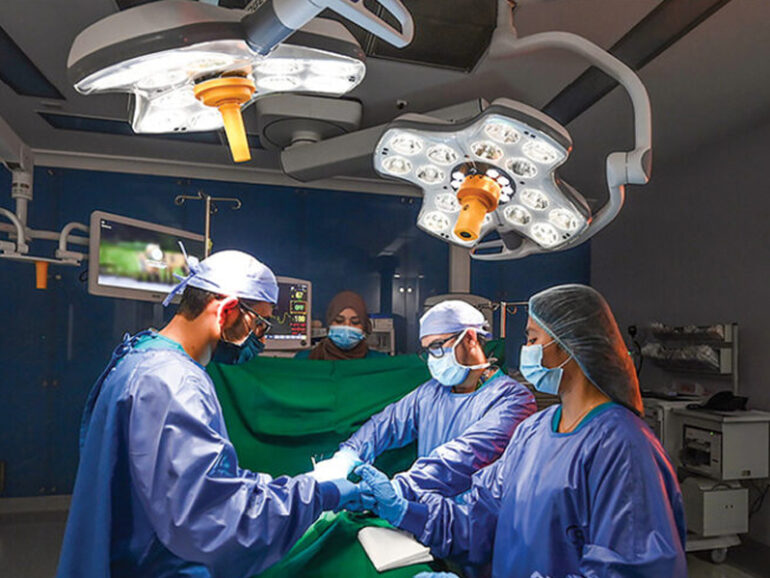
Hospital infrastructure has expanded, with new facilities commissioned in Al Mazyouna, Suwaiq, Khasab and Wadi Bani Khalid, bringing the total number of ministry-run hospitals to 56. Specialised facilities include the Central Public Health Laboratory, the Fertility Centre at Khoula Hospital, Phase 1 of the Muscat Recovery Centre at Al Masarra Hospital, the Suhar Rehabilitation Centre and the National Virtual Health Centre.
Primary healthcare capacity has also widened through new complexes in Mabelah and Amerat, the upgrade of Liwa Health Centre and additional facilities in Al Jardah, Saih Al Maashi and Balad Seet.
At the tertiary level, expansion of the National Heart Centre at The Royal Hospital, along with upgrades in Suhar, Nizwa and Sur, has increased capacity for complex cases.
Under the 11th Five-Year Plan (2026–2030), projects in planning include the National Centre for Women’s and Children’s Health, the National Centre for Ophthalmology, the National Rehabilitation Centre and the Omani Genome project. Completion of Al Nama’a, Samail and Al Falah hospitals, as well as Phase 2 of rehabilitation houses in Muscat, will add 250 to 300 beds.
Waiting times have shortened. In governorate referral hospitals, the proportion of new patients waiting more than four weeks fell from 32% to 24% in 2025. At national hospitals, the figure dropped from 50% to 30%.
MoH’s workforce increased from 37,732 employees in 2021 to 44,534 in 2025, with Omanisation reaching 71%. Rates stand at 97.7% among pharmacists and biomedical engineers and 99.8% in administrative and financial roles.
To boost preparedness, the strategic reserve budget for medicines and supplies has been raised to RO10mn, ensuring at least three months’ stock. Plans are under way to establish medical warehouses across governorates, including Musandam.
The number of pharma factories has increased to 20. The private health sector, comprising 36 hospitals and more than 2,300 institutions, handles over 4mn visits annually and performs more than 45,000 surgeries, while employing 22,600 staff.
© 2021 Apex Press and Publishing. All Rights Reserved. Powered by Mesdac