 By OUR CORRESPONDENT
Muscat – Oman’s tourism sector faced a temporary setback at the start of the recent regional crisis, as airspace closures and disruptions at several regional airports affected flight schedules and travel flows.
H E Azzan bin Qassim Al Busaidi, Undersecretary for Tourism in the Ministry of Heritage and Tourism, said the developments also created an initial perception of instability about Oman in some international markets.
In response, the ministry rolled out a three-phase plan to manage the impact.
“The first phase focused on accommodating the large number of visitors who used the sultanate as a safe haven,” he said, adding that authorities coordinated to facilitate their stay and organise departure procedures.
During the second phase, as tourist arrivals declined, the ministry increased its presence at major international tourism exhibitions and promotional events to reaffirm that Oman remained open and safe for travellers.
The third phase centred on expanding into non-traditional source markets and deploying new marketing tools to strengthen the country’s global footprint and support sustainable growth.
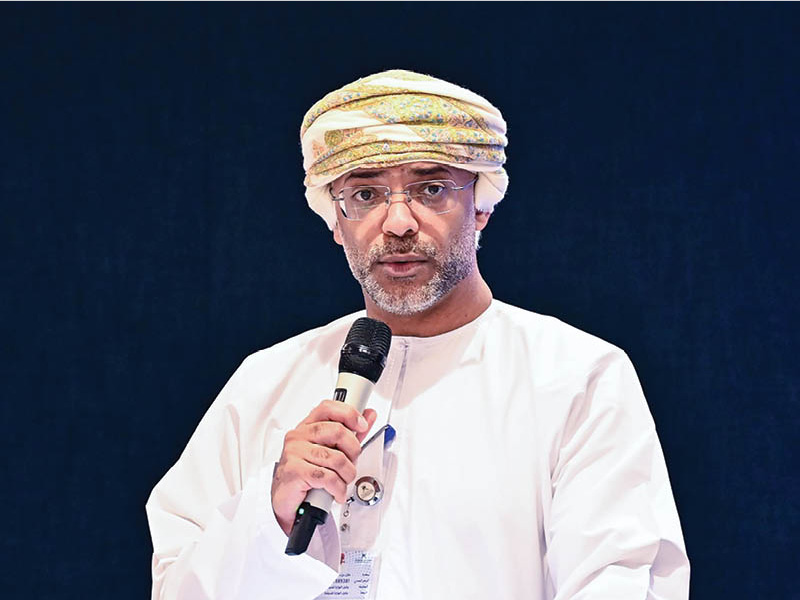
On tour guiding, H E Al Busaidi said the ministry has reactivated the licensing system. A specialised training and qualification programme, conducted with Oman Tourism College, precedes the licensing examination to ensure professional standards.
Omani tour guides are generally proficient in Arabic and English. Additional training is available in Italian, French and Spanish, reflecting key visitor markets.
Employment in the sector has shown steady progress. H E Al Busaidi said the Omanisation rate across tourism-related activities supervised by the ministry – including hotels, travel agencies, private museums and adventure operators – reached 28.5% at the end of last year.
The number of registered jobseekers in tourism stands at fewer than 400, he said, noting that some opt not to pursue careers in hospitality despite available roles.
“These figures indicate a reasonable balance between the output of educational institutions and the opportunities available in the market,” he said, while acknowledging that tourism remains sensitive to geopolitical shifts.
He added that the inclusion of tour guiding in the freelance work registry has created new avenues for young Omanis to operate independently.
To support tourism establishments, the ministry coordinated with other government entities to mitigate the crisis’s effects through regulatory measures and diplomatic engagement. This included cooperation with the Foreign Ministry to review Oman’s classification on travel advisories issued during the crisis.
Despite the early decline, H E Al Busaidi said current indicators point to relative stability in visitor numbers.
“We will continue implementing marketing programmes, promotional campaigns and public relations initiatives to ensure the sector returns to its previous levels and achieves even stronger performance in the coming period,” he said.
© 2021 Apex Press and Publishing. All Rights Reserved. Powered by Mesdac