 By OUR CORRESPONDENT
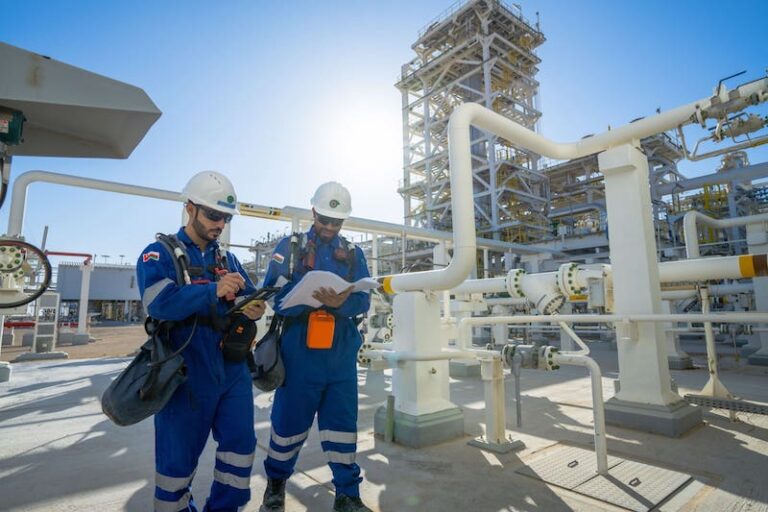
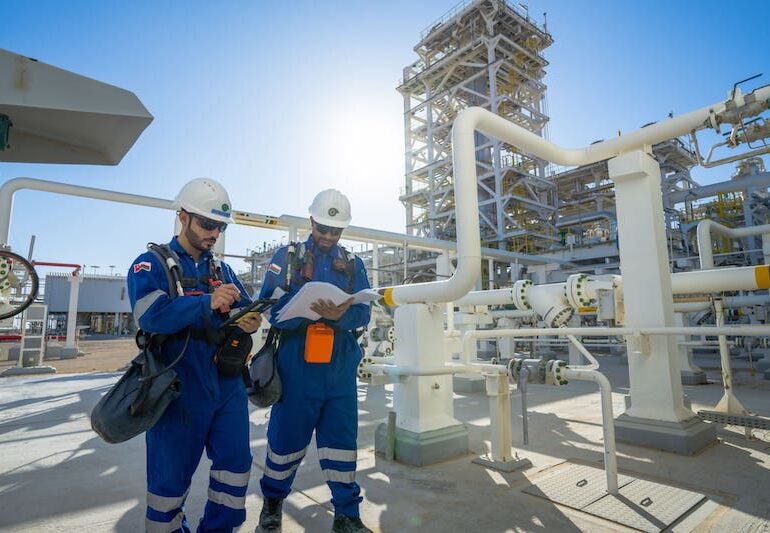
Muscat – Oman’s Ministry of Energy and Minerals (MEM) is working to establish an integrated health, safety and environment (HSE) framework for the oil and gas sector, covering legislation, governance and oversight of sector activities.
The framework aims to strengthen risk management and emergency preparedness, protect workers and the environment, improve operational efficiency and sustainability, and ensure business continuity under all circumstances.
As part of its efforts, MEM has adopted strategic objectives focused on promoting a strong HSE culture, supporting sustainable development, accelerating the implementation of the roadmap towards net-zero emissions, developing sector capabilities, strengthening emergency preparedness and response, ensuring business continuity, promoting knowledge exchange and continuous learning, and using data analytics to support decision-making and improve performance.
These objectives are aligned with the ministry’s role in ensuring the optimal utilisation of resources within a framework of occupational HSE protection, while contributing to the implementation of Oman Vision 2040, MEM said in a statement.
The objectives are being pursued through the safe and sustainable operation of concession areas by operating companies and contractors, in cooperation with relevant national entities, including the Ministry of Labour, the Environment Authority, the Royal Oman Police, the Oman Energy Association and other stakeholders.
This cooperation helps integrate efforts to protect people, the environment and critical infrastructure, the ministry said.
The joint efforts resulted in improved sector performance across key indicators in 2025 compared with 2024.
Around 321mn working hours were recorded in 2025, alongside approximately 503mn kilometres travelled, compared with 285.5mn working hours and 433mn kilometres in 2024.
Despite the continued expansion in the scale of operations, the number of lost-time incidents fell by 23% to 30 in 2025. Major road traffic incidents also declined by 33% to 10, while no fatalities were recorded.
Zainab Al Saadi, Director of Health, Safety and Environment at MEM, said the HSE framework was no longer limited to regulatory requirements but had evolved into an integrated institutional approach covering every stage of work in the oil and gas sector, from planning and design to operations, risk mitigation and emergency response.
She said the ministry was developing an integrated legislative and regulatory framework while promoting a culture of prevention and continuous improvement to achieve the shared objectives of protecting lives, preserving the environment and ensuring operational sustainability in line with international best practices.
Zainab said the sector’s strong performance was the result of continuous institutional efforts undertaken in cooperation with public- and private-sector partners. These efforts are supported by effective risk management, enhanced preparedness, investment in national capabilities, the use of modern technologies to support decision-making and operational safety, and the integration of sustainability standards.
Efforts to strengthen the HSE framework across different working environments in concession areas include implementing management systems aligned with international standards and unified standards developed by the Oman Energy Association.
They also focus on strengthening field leadership and implementing human performance improvement programmes, including training and awareness campaigns. These initiatives are aimed at reducing human error, encouraging early reporting of hazards and empowering workers to take preventive action and stop work when necessary.
Greater attention is also being given to employee health and well-being through occupational and mental health programmes, as well as enhanced medical preparedness at operational sites. The approach recognises human health as a fundamental component of sustainable operational performance.
In road safety, the sector continues to strengthen journey management systems in concession areas through vehicle monitoring systems and technologies designed to detect driver fatigue and distraction.
It is also strengthening compliance with procedures governing travel between work sites to reduce transport-related risks in field operations.
On the environmental front, the oil and gas sector is placing significant emphasis on compliance with national environmental requirements, while some operations have obtained international environmental management certifications.
Carbon management initiatives are being expanded, alongside efforts to achieve zero routine flaring by 2030, measure and reduce methane emissions, improve energy efficiency and increase the use of renewable energy.
These efforts support Oman’s target of achieving net-zero emissions by 2050.
© 2021 Apex Press and Publishing. All Rights Reserved. Powered by Mesdac