 By GULAM ALI KHAN
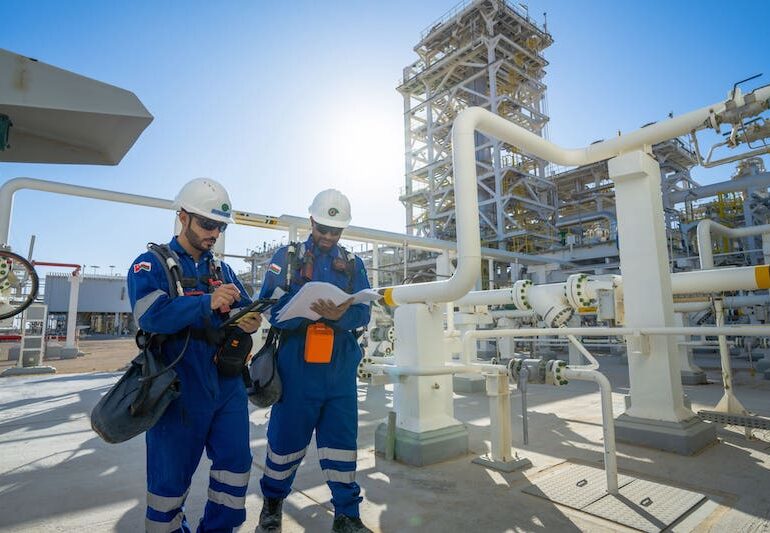
Muscat – Oman’s total oil production rose 11.3% year-on-year to nearly 234mn barrels during the first seven months of 2026, supported by higher crude output as the sultanate continued to benefit from increased production and stable export operations.
According to data released by the National Centre for Statistics and Information (NCSI), total oil production increased from 210.12mn barrels in the January-July period of 2025 to 233.8mn barrels this year.
Average daily oil production also rose by more than 11% to over 1.1mn barrels per day (bpd), compared with 991,100 bpd in the same period of 2025. The highest monthly average production this year was recorded in May at 1.172mn bpd, followed by 1.154mn bpd in July.
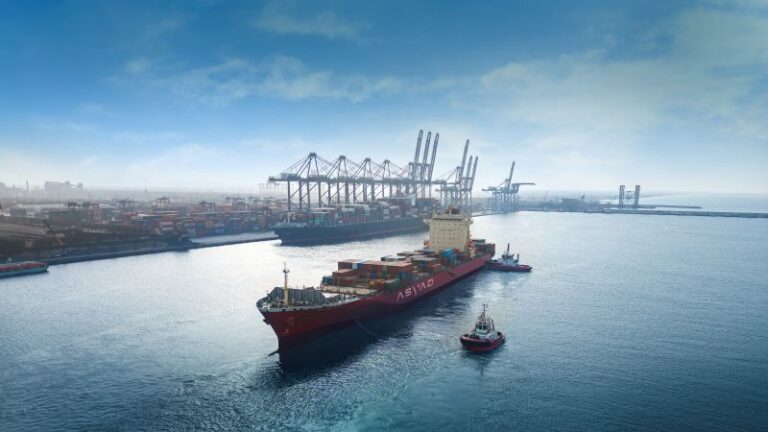
Oil exports, however, recorded more moderate growth, rising 1.8% year-on-year to 181.93mn barrels in the first seven months of 2026, from 178.74mn barrels a year earlier.
The increase in production and oil prices also boosted the value of Oman’s hydrocarbon exports. NCSI data showed that the value of oil and gas exports surged 16.5% to RO8.627bn during the first half of 2026, compared with RO7.408bn in the corresponding period of 2025.
The value of crude oil exports increased 12.5% to RO4.850bn, while refined oil exports rose 13.1% to RO2.356bn. The value of liquefied natural gas (LNG) exports recorded the strongest growth, increasing 40.4% to RO1.421bn.
The stronger increase in export value compared with export volumes was driven largely by higher oil and gas prices during the period.
The average price of Omani crude rose 15.7% to US$83.9 per barrel during January-July 2026, from US$72.5 per barrel a year earlier. The highest monthly average selling price was recorded in May at US$124.1 per barrel, while the average stood at US$102.0 per barrel in July.
Higher oil production and prices have also strengthened Oman’s fiscal position this year. The government’s total public revenues rose 13% in the first half of 2026 to approximately RO6.602bn, from RO5.839bn in the same period of 2025, according to the Fiscal Performance Bulletin issued by the Ministry of Finance.
Net oil revenues increased 10% to approximately RO3.332bn, compared with RO3.018bn a year earlier, reflecting the combined impact of higher oil prices and production.
The stronger hydrocarbon performance is expected to support Oman’s economic growth this year, while providing additional fiscal revenues amid continued geopolitical uncertainty in the region.
The International Monetary Fund (IMF) recently said Oman’s economy remains resilient despite ongoing tensions in the Middle East and is expected to record stronger growth in 2026, supported by higher oil and gas production and prudent macroeconomic policies. The IMF projects Oman’s economy to expand by 3.7% in 2026, accelerating from an estimated 2.4% growth in 2025.
The IMF noted that Oman’s oil and natural gas infrastructure has remained largely unaffected by the regional conflict, while the country’s principal export terminals are located outside the Strait of Hormuz. This has enabled Oman to maintain uninterrupted energy exports while benefiting from higher production levels.
© 2021 Apex Press and Publishing. All Rights Reserved. Powered by Mesdac