 By OUR CORRESPONDENT
Muscat – The prolonged closure of the Strait of Hormuz could trigger a global marine biosecurity crisis, with thousands of stranded ships potentially spreading invasive species to ports across the world when normal shipping resumes, according to an international study.
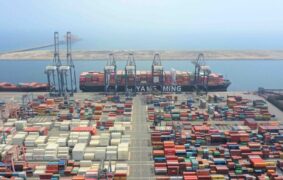
Published in the journal Biological Invasions, the study warns that more than 1,500 commercial vessels stranded in the Arabian Gulf since February 2026, along with hundreds anchored in the Sea of Oman, have created conditions for what researchers describe as a potential marine ‘super-spreader’ event.
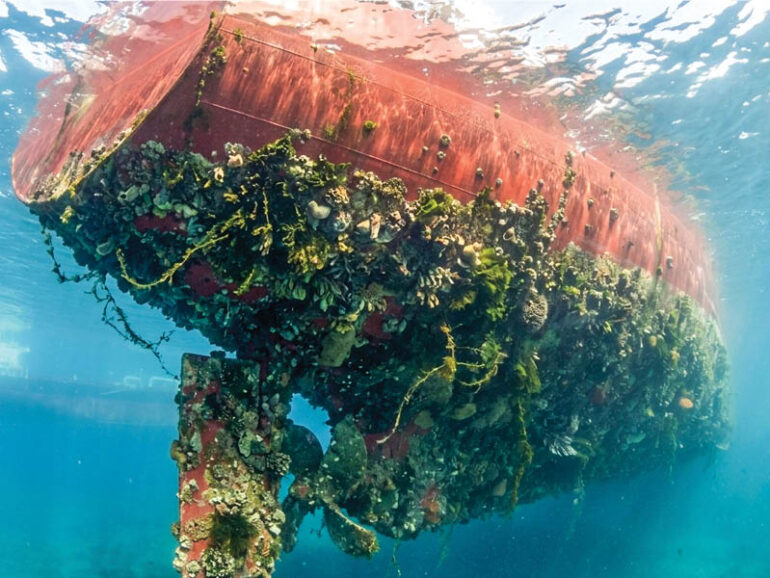
The vessels have remained stationary far longer than normal, allowing algae, microbes and marine invertebrates to colonise their hulls. Once shipping resumes, these organisms could be transported to ports worldwide, threatening ecosystems, fisheries and maritime industries, the study warned.
Lead author Mario N Tamburri said the concern extends beyond the immediate geopolitical and economic consequences of the Middle East conflict.
‘While the human and economic effects remain the focus of most immediate concern, a pending ecological crisis is also unfolding,’ the study states, calling for governments, regulators and the maritime industry to strengthen biofouling management.
According to the researchers, commercial ships typically spend only one to three days in port, limiting the growth of marine organisms. However, vessels trapped in the Gulf have remained idle for months, allowing biofouling communities to develop rapidly.
‘Prolonged stationary periods lead to substantial biofouling, as marine microbes, algae and invertebrates rapidly colonise and grow on submerged surfaces. This accumulation not only impairs vessel operations but also creates significant environmental risks. A major concern is the high likelihood that these idle ships will facilitate the extensive spread of economically and ecologically damaging invasive species as they re-enter the global shipping network,’ the study stated.
The International Maritime Organization already considers ships laid up for more than 18-30 days to present significantly higher biosecurity risks.
Researchers note that the Gulf’s warm, highly saline waters favour hardy species capable of surviving transport and establishing themselves elsewhere. ‘This massive intermingling of ships and biofouling will result in the inevitable release of non-indigenous species at the lay-up sites and in the spread of marine species across the globe once the idle ships resume their trade routes.’
Tamburri and his co-authors urge ship operators to remove hull biofouling before departure wherever possible and recommend that ports prepare for a surge in cleaning demand. They also call for forecasting vessel movements, strengthening monitoring at high-risk ports and establishing rapid international alert systems.
The study concludes that whether the situation develops into a global marine invasion ‘will now depend less on the biofouling communities already present on vessels than on the speed, coordination and effectiveness of the responses that follow’. It adds that prevention remains ‘the most effective and cost-efficient management strategy’ before invasive species become widely established.
Stranded tanker appears to be leaking oil off Dhofar
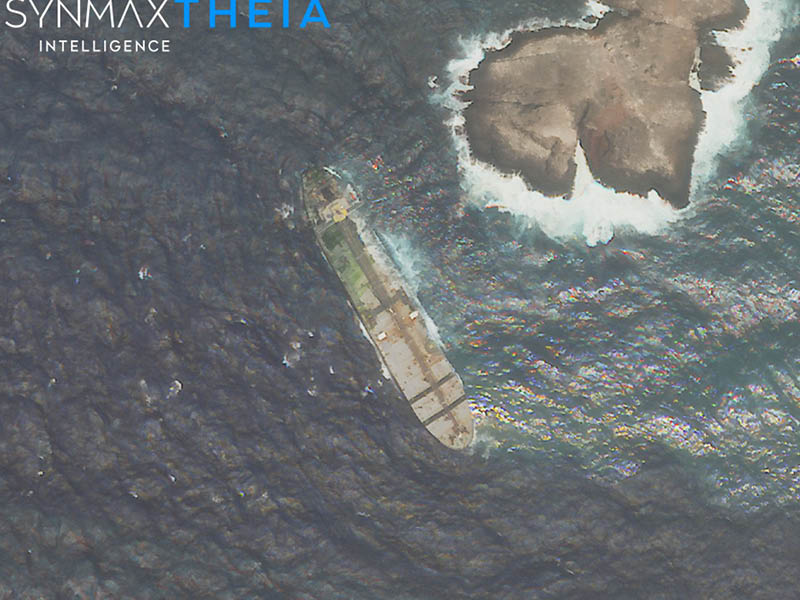
Salalah – Satellite imagery from SynMax, a US-based geospatial intelligence company specialising in satellite imagery and maritime domain awareness, indicates that the stranded tanker M/T Caroline Bezengi is likely leaking oil into the environmentally sensitive waters of Dhofar’s Hallaniyat Islands. Images captured on July 20 show the 274m Suezmax tanker aground on Al Qibliyah Island, with its stern partially submerged – ‘a feature consistent with an oil slick’, according to SynMax. Reuters also reported that satellite imagery and three independent experts indicate the vessel is likely leaking oil, although Omani authorities have not officially confirmed a spill.
Last week, the Ministry of Transport, Communications and Information Technology ordered the vessel’s owners to remove the tanker and its cargo by July 23, warning that failure to comply would result in legal action under Omani Maritime Law. As of Tuesday, the ministry had not issued any update following expiry of the deadline.
© 2021 Apex Press and Publishing. All Rights Reserved. Powered by Mesdac