 By OUR CORRESPONDENT
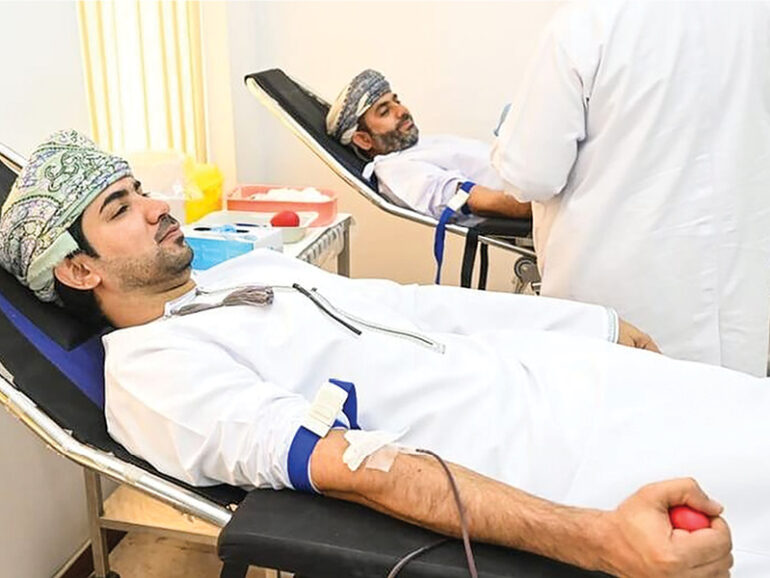
Muscat Blood donations have increased by 47% over the past five years, reflecting growing public awareness of the importance of voluntary donation and its role in supporting the country’s healthcare system.
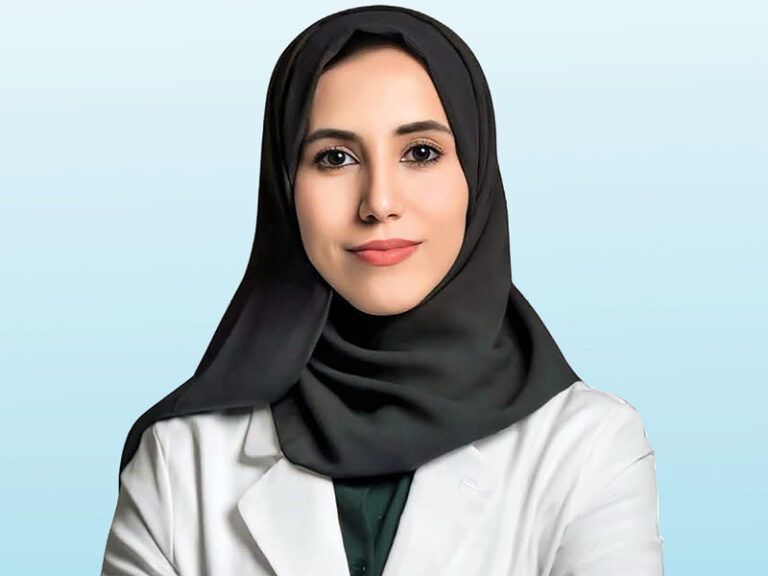
Marking World Blood Donor Day on June 14, Dr Khalid bin Saeed Al Habsi, Senior Consultant Haematologist and Blood Transfusionist and Head of the Blood Bank Services Department, said the number of blood units collected by the department in Bausher rose from 28,613 in 2020 to 42,023 in 2025.
“The figures reflect the positive impact of sustained awareness campaigns and growing community engagement,” he said.
According to Al Habsi, the department supplies more than 4,000 units of blood every month to healthcare institutions, primarily in Muscat governorate, averaging around 140 units a day. Support is also extended to other governorates when required.
He said regular donors play a critical role in maintaining strategic blood reserves, particularly during emergencies. Some donors have contributed more than 50 times, while a few have approached 300 donations.
One of the key challenges facing blood banks is a decline in donations during public holidays, the summer season and Ramadan. To address shortages, blood bank services increase donation campaigns, maintain direct contact with donors and closely monitor stock levels.
Al Habsi noted that blood supplies must be managed carefully because red blood cells can be stored for only 43 days, while platelets have a shelf life of just five days.
He also highlighted the importance of rare blood groups, particularly O negative, known as the universal donor type. Individuals with negative blood groups account for only about 5% of donors, making these units especially valuable during emergencies.
Blood bank services in Bausher oversee and monitor 12 blood banks across Oman, coordinating supplies and distribution to ensure blood reaches hospitals according to medical need.
Al Habsi said patient and donor safety remains a priority. Every donor undergoes medical screening, including checks on blood pressure, haemoglobin levels and overall fitness to donate. Blood units are then tested for infectious diseases, including hepatitis B and C, HIV, malaria and syphilis.
He added that advanced DNA testing technology has improved the speed and accuracy of detecting infections and enhanced the safety of blood supplies nationwide.
The need for blood remains constant, particularly for patients with thalassaemia, sickle cell disease and cancer, as well as victims of traffic accidents, patients undergoing major surgery and women experiencing severe bleeding during childbirth.
Looking ahead, Al Habsi said plans are under way to launch a smart mobile application that will allow donors to locate the nearest donation centre, review their donation history and book appointments.
© 2021 Apex Press and Publishing. All Rights Reserved. Powered by Mesdac