 By OUR CORRESPONDENT
Muscat – Omani cultural activity is evolving from preservation to production. Heritage is no longer confined to documentation. It is being positioned as a creative industry with international reach, anchored by institutional partnerships, most notably with Unesco.
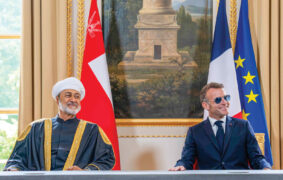
H E Amna bint Salim Al Balushi, Permanent Delegate of Oman to Unesco, said the sultanate has adopted a strategic approach that integrates cultural institutions, research and cultural diplomacy. “Our presence at Unesco reflects an institutional vision that transforms heritage from a local narrative into a global platform for dialogue,” she said.
Oman’s World Heritage sites — the ancient city of Qalhat, Bahla Fort, the Land of Frankincense, the aflaj irrigation systems, and the archaeological sites of Bat, Al Khatm and Al Ain — illustrate this approach. Files submitted to Unesco are prepared through coordinated institutional efforts and rigorous documentation, presenting heritage as a reflection of shared human values.
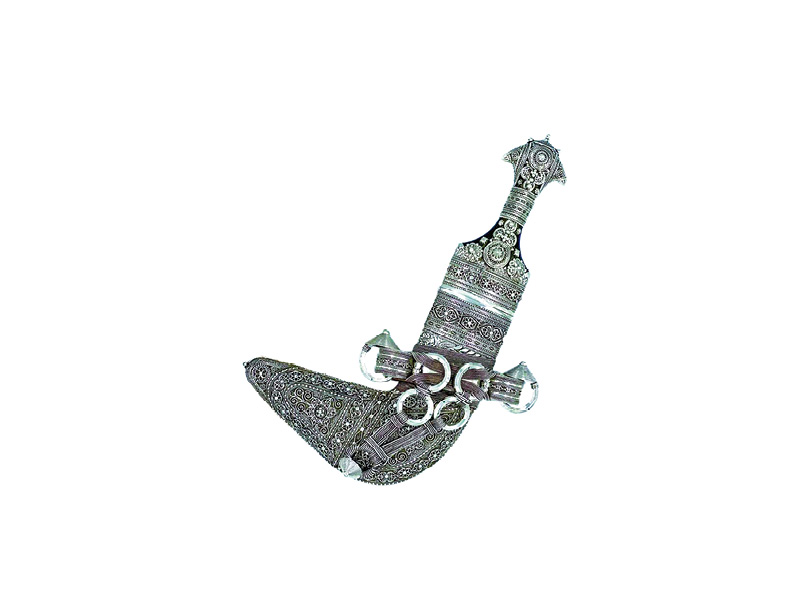
H E Amna said youth engagement is central to sustainability. Training, digital documentation and educational programmes are designed to ensure the next generation understands and reinterprets heritage. The inscription of intangible elements such as Al Azi, Al Barah, Al Taghrood and the Omani dagger, alongside establishment of the UNESCO–Sultan Haitham Prize for Intangible Cultural Heritage Safeguarding, reinforces Oman’s commitment to global cultural cooperation.
Prof Dr Mohammed bin Ali Al Balushi, Chairman of Cultural Club, said culture must move beyond preservation. “Arts and crafts are living systems of meaning. Their renewal comes through creative dialogue with their origins,” he said.
He noted that institutions should act as platforms for knowledge and production. Integrating crafts into modern design, digital storytelling, fashion and film allows heritage to function within the creative economy. The Cultural Club’s Beyond the Creative Industries Award aims to support innovators in developing market-ready projects rooted in Omani identity.
Dr Salim bin Mohammed Al Hinai said Oman treats Unesco as a civilisational forum rather than a registration body. “Each listed site becomes a silent ambassador,” he said, describing heritage as a medium for presenting Oman’s environmental awareness and social values. He stressed the need to embed heritage in education and strengthen research output in international forums.
Dr Fatima Al Amri, Dean of the College of Creative Industries at the University of Technology and Applied Sciences in Nizwa, said the shift towards creative industries is guided by policy. The Cultural and Creative Industries Roadmap and the Leadership in Cultural and Creative Industries programme seek to build national capacity under the 11th Five-Year Plan (2026–2030).
She underlined the role of documentation, digitisation and research, supported by the National Records and Archives Authority. “Creative industries require reliable data and clear references to protect authenticity,” she said.
Fatima also pointed to intellectual property protection as critical when heritage enters commercial and digital spaces. Oman’s legal framework, she said, helps safeguard traditional expressions from distortion or misuse.
Across institutions, the message is consistent: heritage must remain authentic, yet adaptable. In Oman’s evolving model, culture is positioned not only as memory, but as a driver of development and international engagement.
© 2021 Apex Press and Publishing. All Rights Reserved. Powered by Mesdac