 By OUR CORRESPONDENT
Sur – South Sharqiyah and North Sharqiyah are entering a new phase of development, as both governorates expand infrastructure, attract investment and advance decentralised growth strategies.
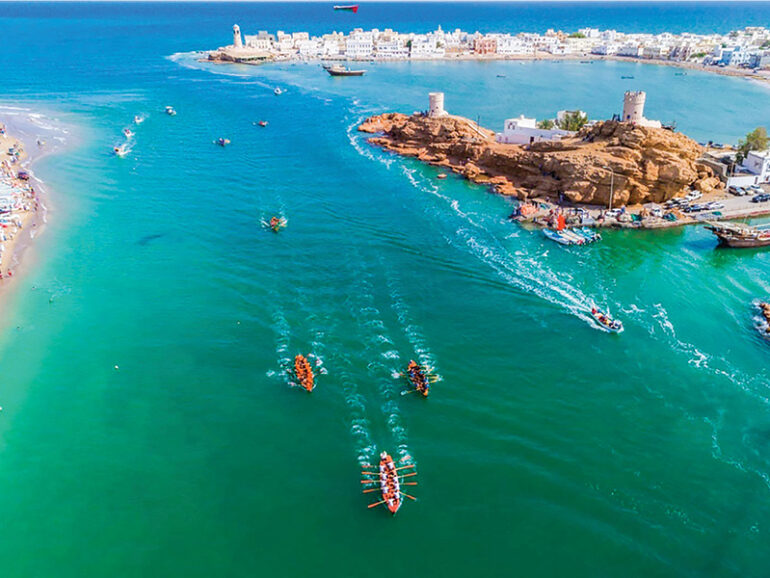
In South Sharqiyah, economic activity is being driven by fisheries, industry and tourism. The governorate stretches from Tiwi to Masirah Island and hosts aquaculture projects in Qurun and Khwaimah with combined investment of around RO41mn and annual output exceeding 5,300 tonnes.
Sur Port and designated industrial and tourism zones support logistics and exports, while major facilities such as Oman LNG and the Oman India Fertiliser Company anchor the industrial base.
Tourism assets include Al Ashkharah, Ras Al Jinz Nature Reserve and the ancient city of Qalhat, alongside traditional markets and dhow-building heritage. Wadi Shab and Wadi Tiwi continue to attract adventure enthusiasts.
Between 2023 and 2025, 27 development projects worth RO39.8mn were implemented. These covered waterfronts in Al Ashkharah and Ras Al Hadd, Al Nahda Park in Masirah, Al Suwaih Park, Falaj Al Mashayekh Park, internal roads, stormwater drainage, public facilities and market upgrades, including Al Mashariq and the Friday Market in Jalan Bani Bu Ali.
In partnership with the private sector, 41 projects valued at RO4.6mn were delivered. They included Sur Public Park, waterfront walkways, an equestrian field, the Qahwan track, the Youth Cultural Centre in Sur and a multi-purpose facility in Masirah. Community initiatives also supported site rehabilitation in Al Haira, Al Zammah and Al Kamil Wa Al Wafi.
North Sharqiyah’s expansion drive
North Sharqiyah, spanning seven wilayats including Ibra, Mudhaibi, Bidiyah, Al Qabil, Wadi Bani Khalid, Dima wa Al Taien and Sinaw, is pursuing a similar trajectory focused on investment and service delivery.
Mahmood bin Yahya Al Dhahli, Governor of North Sharqiyah, said the next phase will prioritise attracting investment and implementing high-impact projects. Strategic schemes executed last year exceeded RO183mn. They included Al Nama Hospital, Sinaw Resources Market, the Aqabat Wadi Bani Khalid road, expansion of Mudhaibi Industrial City and residential projects such as Al Sumou in Mudhaibi and Al Ula in Bidiyah.
Infrastructure works included 145km of internal roads at a cost exceeding RO25mn. Ongoing projects valued at more than RO54mn cover parks, recreational facilities and service centres.
Investment agreements have been signed across sectors, with plans under study for an artificial intelligence centre. Mining activity is expanding, including the Washihi copper mine in Mudhaibi and new exploration concessions.
Agricultural production has reached around 250,000 tonnes in recent years, with self-sufficiency achieved in selected products. Urban planning is progressing through integrated housing schemes and usufruct agreements.
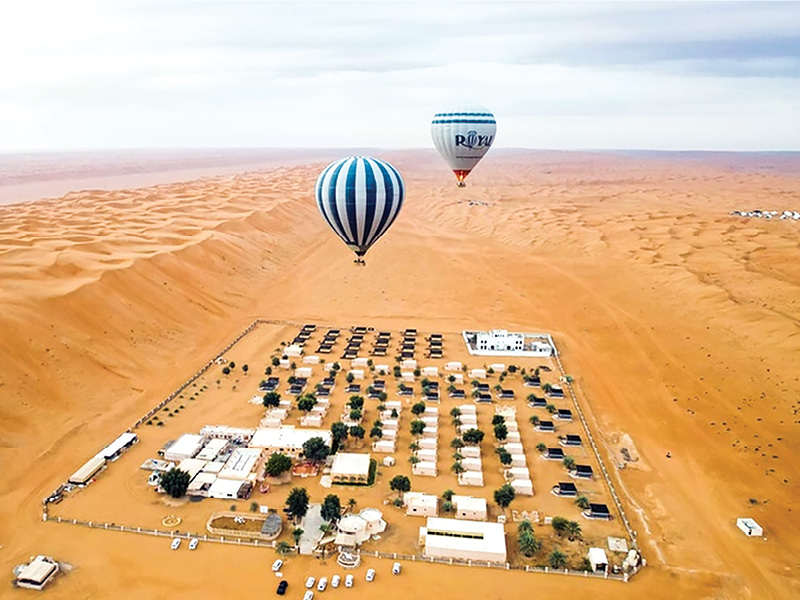
Tourism remains central to the governorate’s strategy, supported by desert landscapes, wadis and heritage sites, alongside upgrades to hospitality infrastructure.
Together, the two governorates reflect a broader shift towards empowering local administrations to lead development aligned with national diversification goals.
© 2021 Apex Press and Publishing. All Rights Reserved. Powered by Mesdac