 By OUR CORRESPONDENT
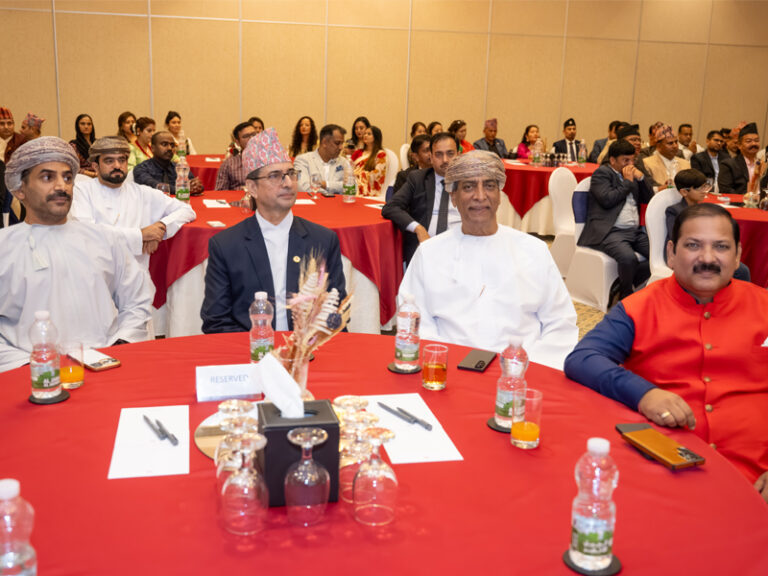
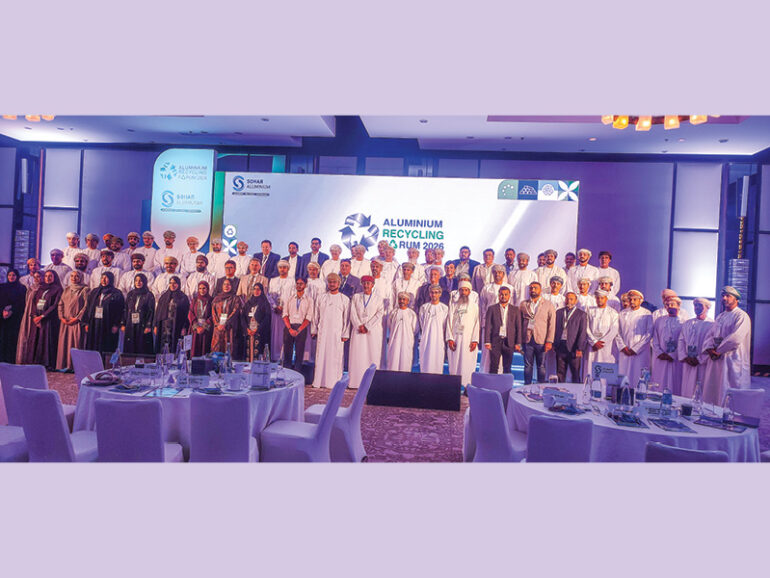
Muscat – Oman’s circular economy is gaining ground, particularly in the recycling of metals such as aluminium and lead, industry experts said at the third edition of the Aluminium Recycling Forum held last week.
Participants noted progress in waste management and recovery rates but warned that regulatory gaps and operational risks could hinder long-term growth.
A key concern is hazard identification and compliance in scrap handling. Recycling processes involving mixed metal waste carry contamination risks if materials are not properly segregated and processed. Each category of scrap requires specific treatment conditions.
Experts called for stricter prequalification of dealers and improved training to ensure safe segregation, sorting, processing and transportation.
Dr Mohab Ali Al Hinai, Vice President for Sustainability and Circular Economy at be’ah, said scaling up recycling is critical to conserving natural resources.
“We need to recycle materials, mainly aluminium and lead; else in the coming decades we might run out of these natural resources. By advancing the circular economy, we not only protect nature but also strengthen our economy. This will attract investors and enable clearer policies,” he said.
He identified logistics and segregation as persistent bottlenecks. According to forum data, around 1.1m tonnes of aluminium waste were generated across the GCC in 2024, of which 72,000 tonnes came from Oman.
Industry representatives said the volumes present a commercial opportunity if supported by efficient collection systems and downstream processing capacity.
Muzammil Gadawala, founder and president of Dubai-based ALA Group, said investors require regulatory clarity and predictable approval processes. “There is strong potential here, but investors need clearer policies, faster approvals, and consistent commitment,” he said.
Sohar Aluminium has recycled more than 8,000 tonnes, illustrating the commercial viability of recovery operations, officials said.
Yahya Hilal Al Mamari, Deputy General Manager of Oman Aluminum Cast, said the circular economy remains a developing model within the GCC. “Once stakeholders understand its potential, it will deliver significant benefits across industry,” he said, citing aluminium, copper and steel as priority materials for reuse.
He added that increased private investment and a skilled workforce will be essential to consolidate gains. “This is the start of an era,” he said.
© 2021 Apex Press and Publishing. All Rights Reserved. Powered by Mesdac