
 By MOHAMMED TAHA
Muscat – Fruit and vegetable prices in Omani markets have been fluctuating sharply in recent days, drawing complaints from consumers while traders and agricultural experts point to weather disruptions, supply shortages and rising shipping costs as key reasons behind the volatility.
Consumers say the price swings have been noticeable in recent days, with some products rising or falling significantly within 24 hours.
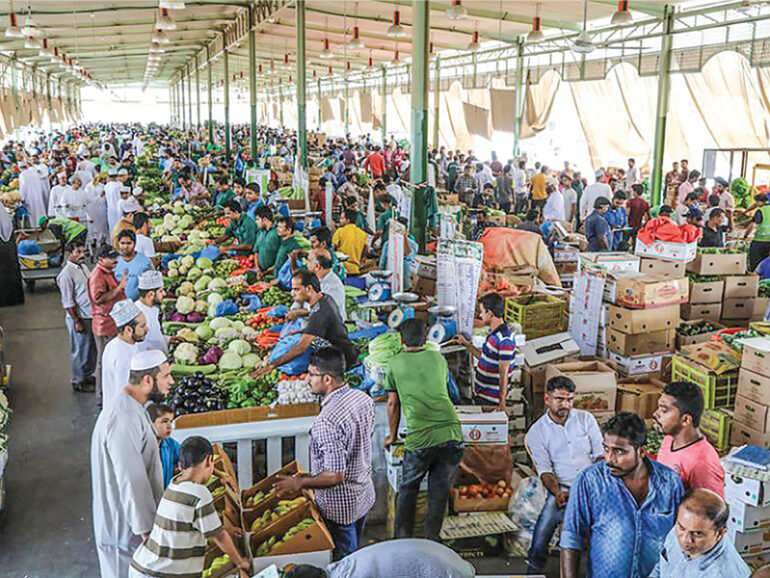
At a vegetable market in Muscat, Khalid Al Balushi said prices appeared inconsistent, noting that certain items had dropped sharply overnight.
“Vegetable prices today are lower than usual,” he said. “Yesterday, a carton of tomatoes was selling for RO3.5, but today it ranges between RO1.5 and RO2.2.”
Another shopper, Bader Al Siyabi, expressed frustration over the rising cost of some items, particularly garlic. “A sack of garlic used to cost RO1.2, but today I was told it is RO2.3,” he said, suggesting that exports should only take place once local market demand has been fully met.
Traders, however, say the price increases are not necessarily driven by retailers. One fruit and vegetable merchant said complaints had been submitted to the relevant authorities, along with purchase invoices.
“After reviewing the invoices, it became clear that the increases were genuine and not caused by merchants,” he said.
The trader added that several external factors were affecting supply, including occasional disruptions to shipping as well as exports of local produce during periods of heavy rainfall, which reduced the quantities available in domestic markets.
Agricultural specialists say weather conditions have also played a role. Ghosn Al Rashidi, secretary of the Omani Agriculture Association (OAA), told Muscat Daily that climatic factors have had a direct impact on agricultural output.
He said the Al Masarrat weather disturbance that affected parts of the sultanate recently damaged crops, reducing supply and pushing prices higher.
Rashidi added that rising global shipping costs linked to geopolitical tensions has also contributed to higher prices for imported produce.
“Tomato and cucumber prices have increased due to lower local production, while imported items such as carrots and garlic have become more expensive because of the war and the associated costs of shipping, insurance and logistics,” he said.
He noted that the government continues to support farmers through subsidies for fertilisers and pesticides, while also working to establish greenhouses and develop companies specialising in freezing and drying vegetables.
Experts say improving price stability will require stronger support for local production, assistance for farmers affected by extreme weather and better regulation of exports to ensure the domestic market is adequately supplied before surplus produce is shipped abroad.
© 2021 Apex Press and Publishing. All Rights Reserved. Powered by Mesdac