 By MOHAMMED TAHA
Muscat – Rising regional tensions amid the ongoing conflict in the Gulf have begun to affect Oman’s tourism sector this winter season. The winter tourism season typically attracts large numbers of international visitors seeking desert adventures and cultural experiences.
Operators of desert camps and heritage attractions say bookings have dropped compared to previous seasons as international travel plans have been disrupted by concerns over regional stability.
Speaking to Muscat Daily, Ali Al Hajri, owner of Oman Desert Private Camp in Bidiyah, said the first months of this winter tourism season initially witnessed an increase in visitor numbers. “We saw a strong influx of tourists, particularly at the start of the season in October. However, after the conflict erupted in the region, tourist numbers dropped sharply and arrivals almost stopped,” he said.
He noted that winter is usually the peak period for desert camps in Bidiyah, with visitors arriving mainly from Europe and other international markets.
Badr Amer Al Hajri, owner of Bidiyah Camp, said the impact has been significant for camps that rely heavily on the winter tourism season.
“Since the conflict began, we have not received tourists from inside or outside Oman at my facility,” he said, adding that desert camps depend largely on the winter months when the weather is favourable and tourist flows are strong.
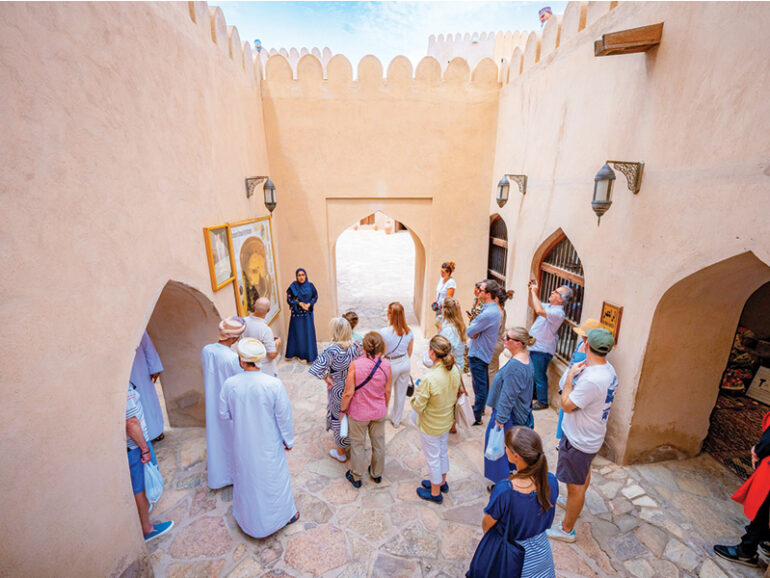
Heritage tourism has also been affected. Sheikh Suleiman bin Saeed Al Abri, owner of Bait Al Safah Heritage House in Al Hamra, said fewer tour groups have been arriving compared with previous years.
He added that the cancellation of several international flights during these regional tensions has contributed to the decline in tourist arrivals.
Al Abri explained that many visitors typically combine desert experiences with cultural destinations such as heritage houses and traditional villages, meaning that a slowdown in one segment impacts the broader tourism ecosystem.
Despite the challenges, tourism operators remain hopeful that the situation will stabilise soon, allowing visitor numbers to recover and the sector to regain momentum.
Dr Khalid Al Balushi, a specialist in tourism and aviation, said both sectors are among the most vulnerable to regional conflicts, noting that the cancellation of hotel and flight bookings was expected following the outbreak of war in the region.
He explained that flight bookings have declined sharply, accompanied by the cancellation of numerous flights and related hotel reservations.
“The aviation sector has also been affected by higher ticket prices, longer flight routes and a sharp increase in fuel costs, which in some cases have doubled,” he said.
Al Balushi added that the region’s proximity to the conflict zone has led to higher aircraft insurance premiums, increasing operational costs for airlines.
He noted that destination management companies have temporarily suspended many of their programmes until stability returns to the region.
According to Al Balushi, tourism transactions across the region have declined by 11% to 20%, while average daily losses resulting from the cancellation of flights and tourism programmes are estimated at around US$600mn.
He stressed the importance of strengthening domestic tourism and supporting local travel companies to help them sustain operations during periods of uncertainty.
© 2021 Apex Press and Publishing. All Rights Reserved. Powered by Mesdac