 By OUR CORRESPONDENT
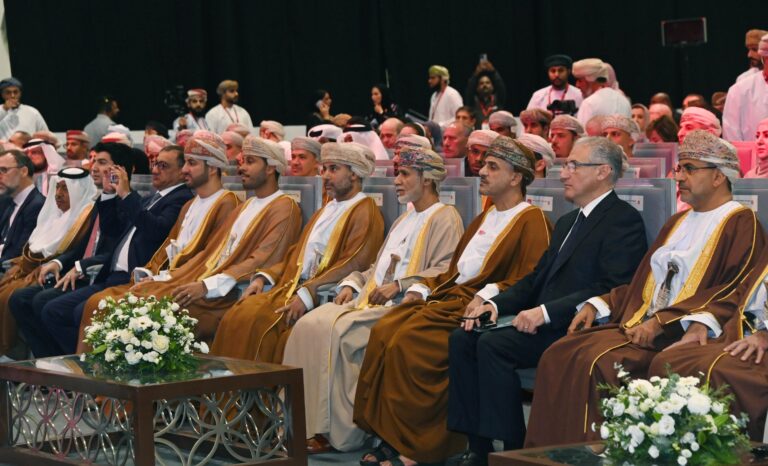
Muscat – Oman has achieved strong food self-sufficiency and is expanding the use of treated water to support agriculture, the Ministry of Agriculture, Fisheries and Water Resources (MAFWR) stated during a media briefing on Thursday.
H E Dr Saud bin Hamoud Al Habsi, Minister of Agriculture, Fisheries and Water Resources, said the sultanate has implemented comprehensive measures to safeguard water supplies and ensure the sustainability of these in line with national development priorities. He added that the government will intervene if the water situation deteriorates.
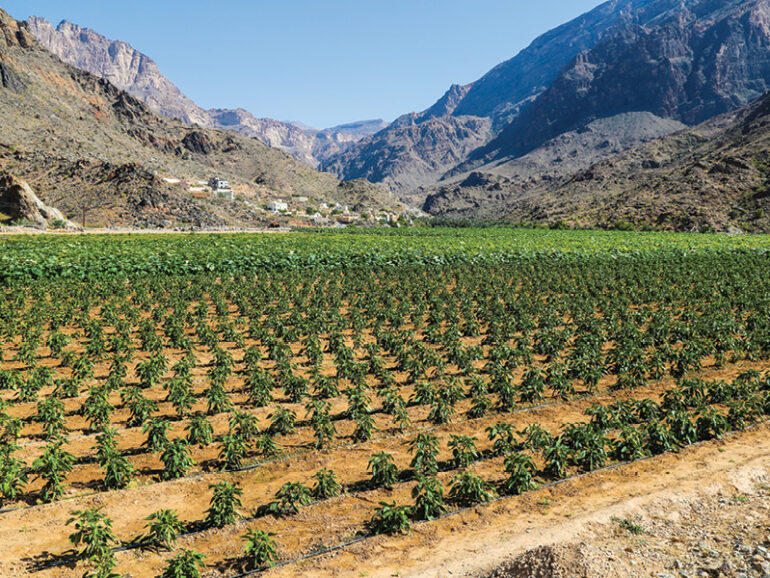
The minister highlighted that a major project to supply treated water will support the agricultural belt in North Batinah and South Batinah, with the network expected to extend to Shinas.
The initiative is expected to help revive farms affected by water shortages and boost agricultural productivity in the targeted areas.
H E Al Habsi stressed that Oman continues to strengthen its food security framework, noting that the sultanate is already reaping the results of sustained national efforts in this field.
According to the ministry, the sultanate has achieved high levels of self-sufficiency in several key food commodities, including 146% in fish, 99% in dates, 96% in fresh milk and 95% in table eggs. Self-sufficiency rates stand at 79% for vegetables, 62% for poultry meat, 45% for red meat and 24% for fruits.
H E Al Habsi said the government maintains direct oversight of food markets to ensure the availability of essential commodities and price stability. Joint teams from the public and private sectors regularly monitor the prices of local and imported goods.
The minister noted that wheat and sugar prices remain stable, adding that the government previously intervened to stabilise flour prices following the Russia–Ukraine war.
Addressing challenges in the agricultural sector, he said non-compliance with guidelines regulating forage cultivation remains an issue in some areas. He added that leaving farms under the management of expatriate workers also represents a challenge for the sector.
“We are working with farm owners to address these challenges,” he said, noting that agricultural complexes are being developed to create an enabling environment for Omani youth to engage in agriculture.
The minister also highlighted Oman’s improved global rankings in environmental performance. The country rose from 149th place in the Environmental Performance Index in 2022 to 54th globally in 2024, ranking first in the Gulf and fifth in the Arab world.
In the Fisheries Index, Oman ranked first in the Gulf, fourth in the Middle East, fifth in the Arab world and 17th globally, while in the Water Resources Index it ranked second in the Gulf, second in the Arab world and ninth globally.
He added that the next phase of national planning will focus on increasing food self-sufficiency rates and further strengthening food and water security systems.
Food self-sufficiency
• 146% fish
• 99% dates
• 96% milk
• 95% eggs
• 79% vegetables
• 62% poultry
• 45% red meat
• 24% fruits
© 2021 Apex Press and Publishing. All Rights Reserved. Powered by Mesdac