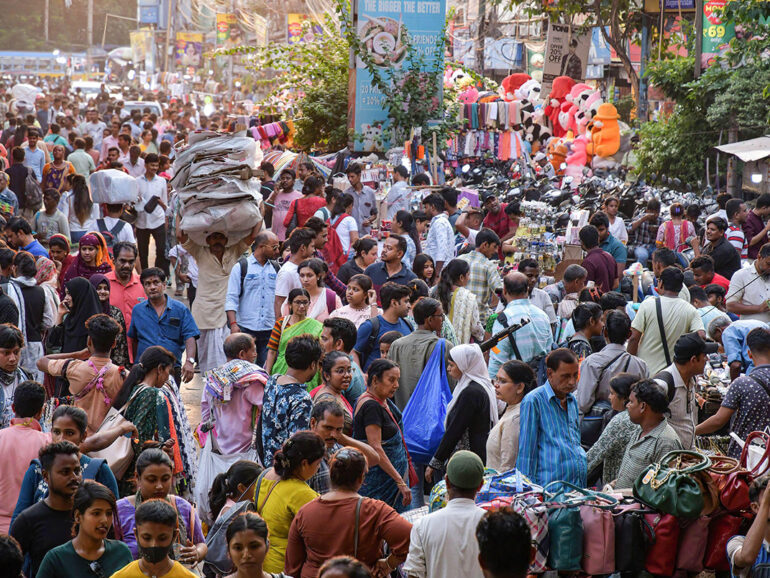
New Delhi, India – Over three million Indian officials will spend about a year collecting data on the country’s population – the largest in the world – in a massive door-to-door survey.
This round of census was meant to take place in 2021 but was delayed party due to the COVID-19 pandemic. The last census was conducted between 2010-11. The survey’s data is crucial to the democracy which forms policy and social interventions based on the results.
The once-in-a-decade exercise will begin on April 1. The first 15 days have been allocated for a self-enumeration where citizens will be able to submit their own details online, in a first for India.
The census has traditionally involved collecting data on paper, which is later digitised and published by the government.
After the first 15 days, the census will break into two phases. The first will involve physical collection of data on houses and household conditions. The second will focus on the inhabitants of the houses and their social and economic Parameters, Census Commissioner Mritunjay Kumar Narayan told reporters.
India’s census and the caste system
The census will also record data on caste, a rigid social hierarchy coming from India’s dominant Hindu religion. The caste system dates back thousands of years and is deeply entrenched in Indian social life and politics.
It divides people and communities into ‘upper’ and ‘lower’ strata and has been the basis of untouchability in Indian history. Even today, families from the lowest caste, Dalits, face marginalisation and discrimination.
While the 2011 census did collect caste data, it was not fully published over concerns of accuracy. Those in favour of a caste census say the information is vital to ensure government assistance to those from disadvantaged castes. Critics say caste has no place in a country aiming to be a major world power.
DW
© 2021 Apex Press and Publishing. All Rights Reserved. Powered by Mesdac