
Meat consumption in the sultanate rises significantly during the days leading to Eid al Fitr, driven by family gatherings, communal iftar meals and charitable feasts that reflect Oman’s deeply rooted traditions of generosity and social solidarity.
With this seasonal surge in demand, adherence to approved health regulations becomes increasingly critical — foremost among them the requirement to slaughter livestock in licensed slaughterhouses under veterinary supervision.
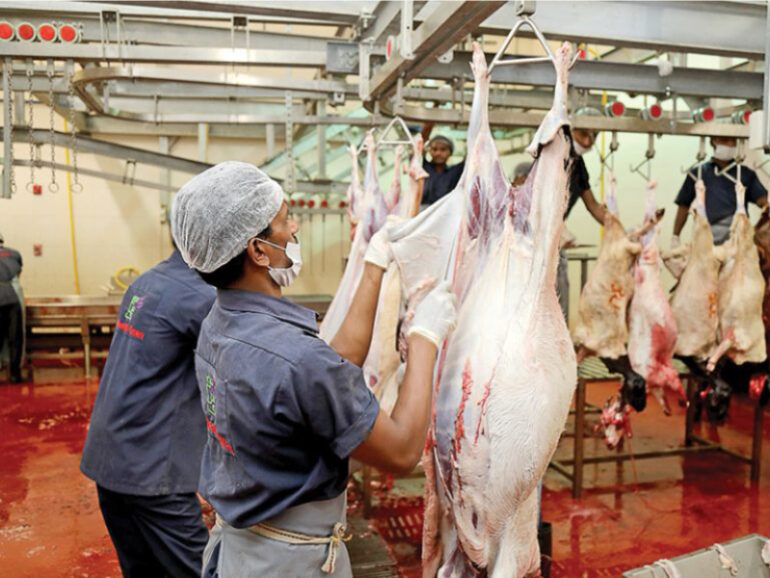
Licensed slaughterhouses constitute a cornerstone of the public health system. Animals undergo comprehensive veterinary examinations before slaughter to ensure they are healthy and free from disease. Post-slaughter inspections are also carried out to detect any pathological changes that could pose risks to consumers, with any carcasses or parts deemed unfit for human consumption immediately discarded.
Operations in these facilities are conducted in strict compliance with Sharia and public health regulations. Hygiene and sterilisation standards are rigorously enforced, safe meat-handling procedures are followed, and the cold chain is maintained to ensure that meat reaching consumers remains safe and wholesome.
In contrast, slaughtering livestock at home — particularly in residential neighbourhoods — can pose significant health and environmental risks. Without veterinary oversight, there is a greater possibility of consuming meat that may carry pathogens invisible to the naked eye.
Improper disposal of slaughter waste may also lead to environmental contamination, attract insects and rodents, and contribute to the spread of disease. Several zoonotic diseases can be transmitted to humans during the handling of raw meat, not only through consumption.
With evolving lifestyles and growing population density, such practices are increasingly incompatible with modern public health standards, particularly during peak seasons like Ramadan and Eid al Fitr when meat demand rises sharply.
Authorities emphasise that promoting a culture of slaughtering livestock in approved facilities requires cooperation between government bodies and the wider community. Residents are encouraged to utilise the services provided by licensed government and private slaughterhouses across the sultanate’s governorates and to comply with established health guidelines.
During Ramadan and Eid, when meals are often shared among relatives, neighbours and friends, ensuring food safety becomes even more important. Slaughtering livestock in approved slaughterhouses helps guarantee that safe meat reaches the iftar table, offering reassurance to families and contributing to the protection of public health.
Today, slaughtering in licensed facilities is no longer merely an option but a regulatory and health necessity aligned with modern standards, Islamic principles and the enduring values of Omani society. Protecting food safety, authorities stress, remains a shared responsibility.
© 2021 Apex Press and Publishing. All Rights Reserved. Powered by Mesdac