 By
By
Salalah – Al Mazyunah Free Zone, Oman’s first free zone affiliated with the Public Authority for Special Economic Zones and Free Zones (OPAZ), has attracted investments worth RO5mn in the first half of 2024. This brings the total investment in the zone to RO140mn.
Located on the land border with Yemen, Al Mazyunah serves as a key Gulf gateway for transit trade to Yemen and East African countries.
Eng Ahmed bin Khamis al Kasbi, Director General of Al Mazyunah Free Zone, highlighted the zone’s strategic significance in enhancing the trade between Oman and Yemen. He noted that the zone, covering 15mn sqm, has seen strong interest from investors, particularly Yemeni businessmen.
“The zone has secured 185 lease contracts in various sectors, including 102 projects that are currently operational. Our focus is on attracting investments in the industrial sector to sustain the investment momentum in the region,” he said.
A unique feature of Al Mazyunah Free Zone is its approved dry port, which handles all port operations linked to export and import.
In the first half of 2024, the zone received over 100,000 tonnes of goods. The commercial movement and transfer of goods through the zone have increased significantly, from 33,000 tonnes in 2014 to 220,000 tonnes by the end of 2023.
Kasbi detailed the numerous incentives offered to investors in the zone, including a 30-year exemption from income tax, no requirement to submit income declarations, ease of trading and transferring foreign currencies, exemption from the Commercial Agencies Law and customs duties, and the ability for investors to own 100% of their project capital.
Other benefits include a reduced Omanisation rate, and the use of Yemeni customs data for imported goods.
The zone also provides national certificates of origin to factories, facilitates the granting of residence and visas to non-Omani investors, and allows the establishment of representative offices within Oman’s customs territory.
Additionally, Yemeni workers can work in the zone without needing work or entry visas.
Kasbi emphasised the zone’s commitment to infrastructure development, stating that RO5mn has been invested in recent infrastructure projects. These include road networks, sewage and rainwater drainage systems, and a security fence built to the latest standards.
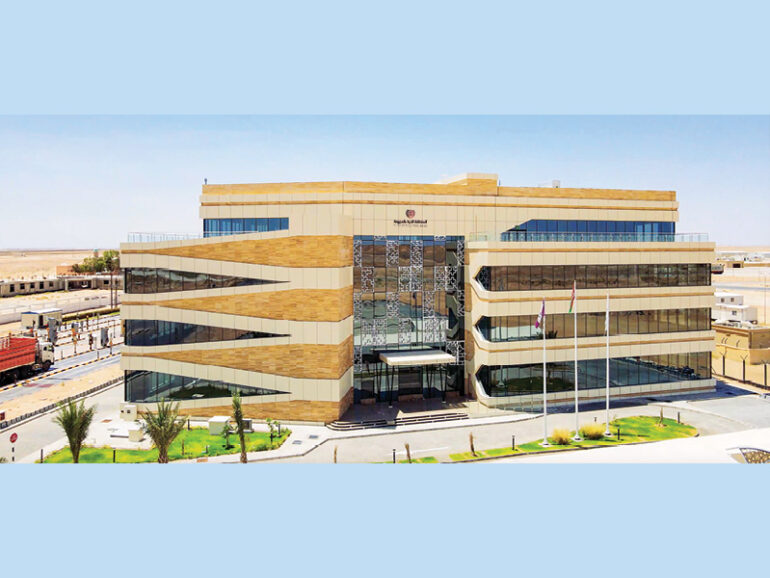
He also noted the completion of the services building at a cost of RO3mn, which is now ready to accommodate tenants from service companies in customs clearance, exchange, handling, and free trade sectors.
Looking ahead, the zone is offering several investment opportunities to the private sector. These include establishing and managing a water desalination plant, refrigerated warehouses, and worker housing. The zone’s master plan is divided into sectors for industrial activities, public services, warehouses, and commercial and service sites.
Investors benefit from comprehensive services provided through the Masar Center, or one-stop shop, which includes services from various government ministries and agencies.
The zone also uses the electronic ‘Edaa’ system for managing operations, which handled about 16,500 transactions in the first half of the year.
© 2021 Apex Press and Publishing. All Rights Reserved. Powered by Mesdac