 By HUBERT VAZ
June 26 is observed every year as International Day Against Drug Abuse and Illicit Trafficking by the United Nations. To mark this observance, Nashia Nasib, president, Positive Vision Association, takes stock of the situation in Oman. ‘Young people are always faced by peer pressure and generally try to ‘fit in’ and feel accepted within social circles, and being at a vulnerable stage in their life they are inclined towards experimentation…parents need to be vijilant,’ she tells Hubert Vaz in an exclusive interview. Excerpts:
What are the key goals and objectives of Positive Vision Association?
Positive Vision Association’s primary goal is to raise awareness about HIV/AIDS, as well as the dangers of drugs and other psychotropic substances within the community. Additionally, the NGO strives to promote a positive vision amongst Omani society that works towards reducing stigma and discrimination towards people living with HIV, drug users and recovering addicts, and extending support to their families and the community at large, both physically, socially and psychologically.
The NGO was officially registered in July 2023. Its focus has primarily been on understanding the current status of substance use and HIV/AIDS situation in Oman, and building our strategy based on this with our primary partners – Ministry of Health and the National Drugs Committee, and other stakeholders like the Royal Oman Police, Narcotic Anonymous, etc.
Like any new organisation, we had to spend significant time on our branding to ensure that we stand out and are distinctive, timeless and can speak to our target group. We’ve conducted countless meetings with stakeholders and corporates advocating for our cause, and being visible in the community, and presenting our mission to be known and present as a new NGO in Oman.
How important is it for Oman to create awareness on drug abuse and is one day annually enough?

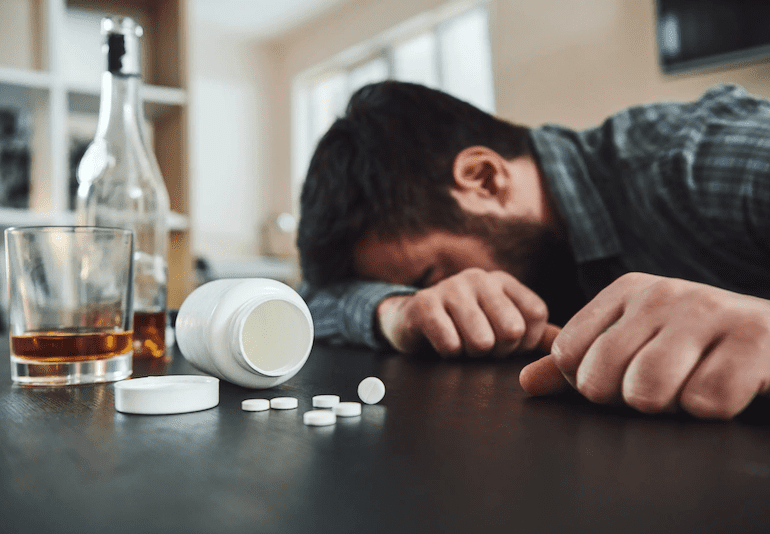
The dedicated day – June 26 – is there to highlight the importance of the subject and focus on the areas that we, as a country, must focus on. Drugs are a problem that has been around and will be around for years to come. Our focus has to be more on taking preventative measures with young people and tackling the triggers that can lead young people to turn to drugs, how and where they access it, providing a safe platform with accurate information they can access, educating parents and the community at large on the risks and the signs, and supporting families when they are faced with drugs in the family.
Which is the most vulnerable age group and is drug abuse prevalent among males and females in Oman?
The most vulnerable age group is the adolescence stage. Children at this age, by nature, are vulnerable to experimentation, peer pressure, and are curious to try new things. It is important to raise awareness on drugs in schools and among parents, talking about the risks and dangers of drug use, knowing the signs, always being accessible to children with information and having open communication, besides being good role models to them.
Drug addiction in Oman is mostly prevalent among males with an increase in numbers over the years among females. The age group most affected is between 21-40.
There is a need for more treatment and rehabilitation facilities in the country and to accommodate females as, currently, we don’t have facilities for females. A new detoxification centre is set to open in September 2024 with a total of 130 beds, including beds for females, in addition to several other rehabilitation centres proposed to open in the coming few years.
What, according to you could be the key reasons for youth resorting to drug abuse? How can parents detect something amiss in the behaviour of their children – any common signs?
Youth can resort to drugs for numerous reasons and these are common themes around the world; young people are always faced by peer pressure and generally try to ‘fit in’ and feel accepted within social circles and being at a vulnerable stage in their life they are naturally curious and are inclined towards experimentation, and are open to trying new things with little outlook on the effects they could have on them. Parents have to be vigilant and attentive to the cues which range from behavioural signs to physical signs, to psychological signs.
In addition, it is important parents and teachers keep open channels of communication with their children and allow a space where they can ask questions without fear or feeling intimidated. Also, at a national level, continuous dialogue among stakeholders and awareness campaigns are very important, bringing all stakeholders together for knowledge dissemination and educating the community on the dangers and consequences of drug abuse and understanding what intervention need to be undertaken if required.
As for HIV/AIDS testing, what facilities are currently available for people to get tested/treated without revealing identity?
To encourage testing and ensure anonymity, the Ministry of Health has designated health centres across the country where people can undergo anonymous testing, which means they can attend any of the health centres listed without being asked their identity, thus being anonymous.
Another factor to ease the process is that these tests can be carried out in health centres or hospitals outside ones catchment area. These voluntary counselling and testing sites are available in various locations all around Oman – Mutrah Health Centre, Al Khuwair North Health Centre, Al Hajer Health Centre, Al Khoudh Health Centre, Ruwi Health Centre, Al Amerat Health Centre, Al Shadi Health Centre, Al Qurayat Polyclinic, North Al Khuwair Health Centre, Sohar Hospital, Sohar Polyclinic, Saham Polyclinic, Rustaq Hospital, Barka Polyclinic, Shinas Polyclinic, Salalah Polyclinic, and Al Buraimi Hospital.
These centres not only offer testing but also provide an opportunity for individuals to connect with counsellors, ask questions about risky behaviours that could lead to HIV transmission, and receive necessary support if they test positive.
We encourage you to get tested if you are in doubt of your HIV status as this is the only means of knowing one’s status and, if needed, getting you on treatment early and ensuring a long healthy life.
Are there any hotlines or centres that provide information or guidance to those suspecting being infected?
We have recently signed our first agreement since inception of the NGO with Omantel for a national hotline to be launched before the end of the year for both substance abuse and HIV/AIDS which will be pivotal for young people to be able to access accurate and up-to-date information on HIV prevention and substance abuse, identify testing locations and treatment centres, offer referral services to testing, treatment, and counselling services, offer support and counselling to PLHIV, substance users, recovered addicts and their families, and tackle stigma and discrimination in the society surrounding HIV/AIDS and substance use disorders.
How serious would you say is this issue in Oman and is there need for urgent action?
It is a global problem facing all countries worldwide. In Oman, it’s very difficult to know the extent of the problem as the data we have available is from the National Central Register, and relies on number of patients who have been treated at the healthcare centres/hospitals. In order to have an accurate estimation of drug prevalence in Oman, we would need to carry out a survey at a national level.
The nature of the problem has changed in the last 4 years, whereas the most prevalent drugs in the past were opioids like heroin. This trend has now changed to amphetamine drugs which are highly addictive and risky substances, and unfortunately very affordable, thus easily accessible to young people.
© 2021 Apex Press and Publishing. All Rights Reserved. Powered by Mesdac