
Muscat – Dementia prevalence in the MENA region is increasing at an alarming rate, but progress to tackle the neurodegenerative condition is far too slow, according to Alzheimer’s Disease International (ADI), the global federation for 105 Alzheimer’s and dementia associations across the world.
The MENA region currently has almost 3mn people living with dementia, with cases set to rise 367 per cent across the region to over 13.8mn by 2050 according to the latest estimates, the highest regional increase in the world.
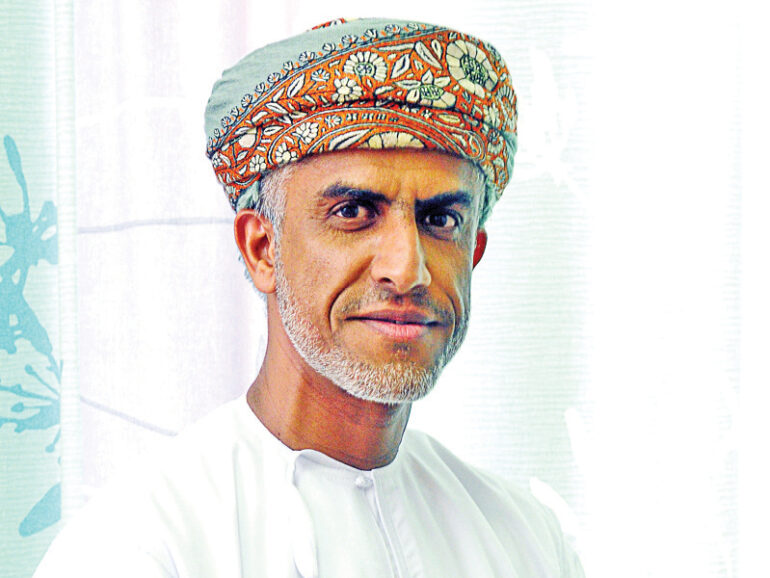
Dr Hamad al Sinawi, chairman of Oman Alzheimer’s Society and consultant and psychiatrist in Department of Behavioural Medicine at Sultan Qaboos University Hospital, said, “The statistics released by ADI and WHO are worrying, and we need to start acting now.
Additionally, the issues faced by MENA countries regarding dementia differ greatly to other regions, which is why national dementia plans need to be localised and tailored to these specific issues.”
He added that the root-cause problems, “which we need to focus our efforts and energy on are lack of proper health education and healthcare services. We are still dealing with the stigma of memory loss”.
Speaking on the situation in Oman, Dr Sinawi bemoaned the lack of exact figures. “The number of people attending hospitals for an assessment is still low. Many people think forgetfulness is a normal part of ageing and only come when the person develops behavioural symptoms such as agitation, poor sleep and leaving the house and failing to return back.”
Some of the factors increasing risk of developing Alzheimer’s and other forms of dementia are diabetes, obesity, hypertension and an unhealthy life style, including junk food. “These factors are common in the Omani population, which is why we need to have healthy eating habits and take good care of diabetes and hypertension.”
Furthermore, insufficient diagnostic and screening tools result in many individuals with dementia remaining undiagnosed without access to treatment and support. Those who are diagnosed, then face a lack of care services for the aged which is why at-home caregiving is a go-to option, however often an unaffordable and in some countries culturally unacceptable approach.
“In most parts of the world, healthcare and social care are joining together, but specifically in the Middle East very few countries manage to merge these services. A national dementia plan will have to consider accessibility as a major issue. Most people will appreciate an update of healthcare services, care homes, and recruitment first,” Dr Sinawi added.
“Tackling dementia now for some nations is like climbing Mount Everest – there is so much to do, but all nations need to start somewhere,” said Paola Barbarino, CEO of ADI. “Time is running out to implement national dementia plans by the WHO deadline of 2025, which is why it’s even more important for MENA countries to start educating and spreading awareness about the seriousness of dementia and the oncoming wave of dementia cases.”
The latest dementia prevalence statistics show that the number of people living with dementia worldwide will rise to 139mn by 2050, according to the WHO. Forecasts show increases of almost 2,000 per cent in some countries by 2050, especially those in the MENA region.
Dr Sinawi concluded by saying that “before we talk about dementia-friendly communities, we must first focus on education, awareness building and early diagnosis. I believe a more collaborative plan between countries is the way to go for the MENA region”.
© 2021 Apex Press and Publishing. All Rights Reserved. Powered by Mesdac