 By HUBERT VAZ
Three pioneering artists trace the essence of Muttrah in ‘Muttrahiyyat’ – a unique exhibition that opens at Stal Gallery on October 18
The salty, aquatic odours that blow into the historic realms of Muttrah all day seem to add to the ambience of old-world charm that the winding alleys, the rugged paths, and the traditional merchandise have been holding onto for generations… You simply have to step into this place to note that it has been an artist’s delight all through.
Stal Gallery is now set to launch Muttrahiyyat, a landmark exhibition that celebrates this locale, bringing together three of Oman’s most celebrated pioneering artists – Idris Al Hooti, Juma Al Harthi, andAdnan Al Raisi.
Opening with a reception this evening (October 18) at 7pm, the collection features 41 paintings that explore the historic port town of Muttrah through a compelling blend of architecture, memory, and profound artistic expression.
Muttrah has long occupied a unique place in the history of Omani painting. For centuries, its harbour, labyrinthine streets, and distinct urban landscape served as a commercial and cultural bridge connecting Oman’s coast with its interior and global maritime routes. For these three master artists, however, the connection is deeply personal. Having grown up, worked, and lived within its bounds, they return to its transforming landscapes to translate their memories onto canvas through distinct pictorial styles.
Three masters, three visions
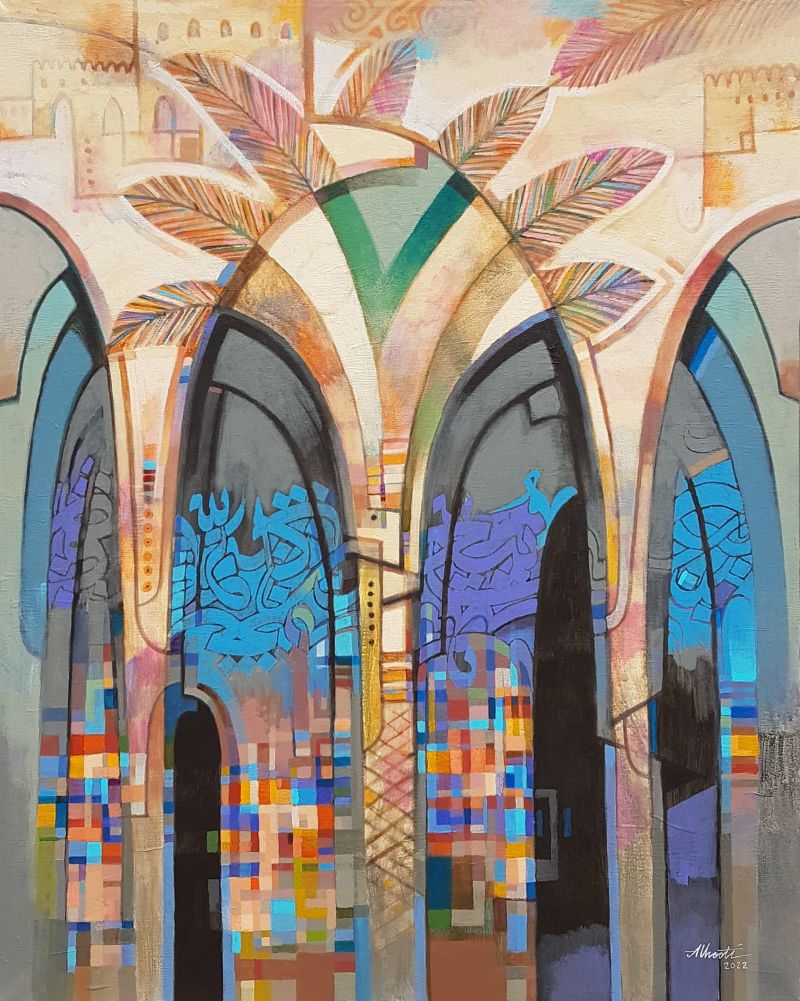
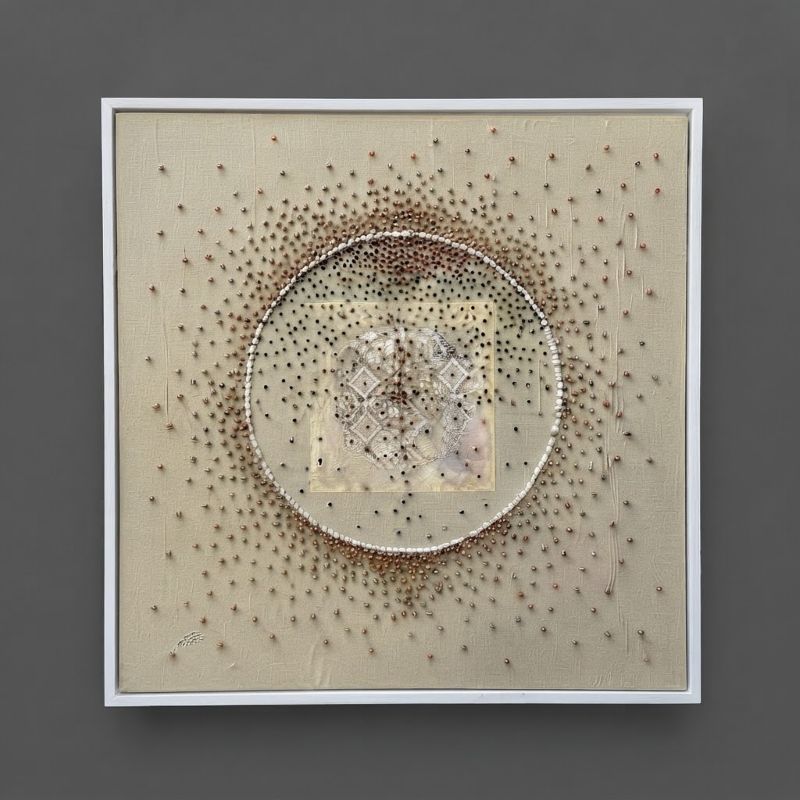
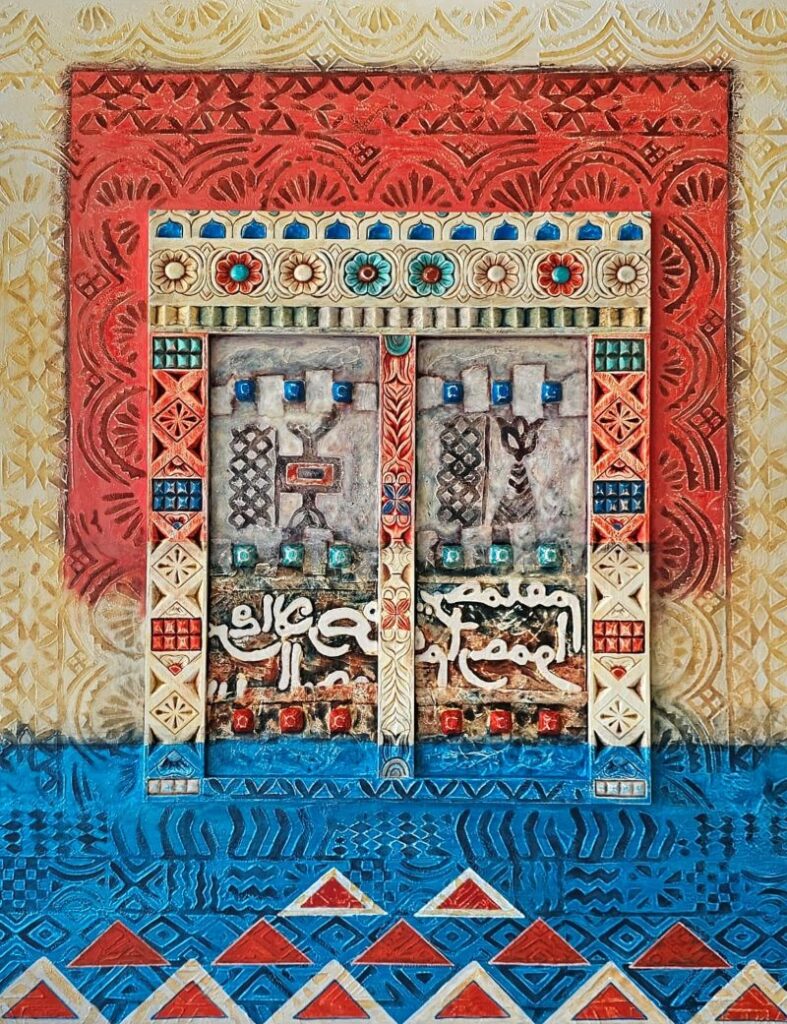
The exhibition highlights how a single geographic muse can spark completely diverse artistic journeys:
Art, education, and cultural tourism
Beyond its visual appeal, Muttrahiyyat serves as an educational and cultural bridge. For local residents, the exhibition evokes personal nostalgia, while for international tourists, it provides an authentic gateway into Omani identity and heritage.
Stal Gallery will also host educational art tours, guided by gallerist Volodymyra Sobolevska, where students can bring their own materials to sketch directly from the exhibition. “The importance of Muttrahiyyat lies in the values it encourages – appreciation, respect, and responsibility towards cultural heritage,” Sobolevska said.
Artistic angles
When you look at a historic building or street today, does your eye instinctively look to capture the solid physical structures that remain, or the fleeting, invisible atmosphere of what the place used to feel like?
Juma: Yes, I’m an artist who takes a deep interest in the historical heritage of cities, I revive the memory of a place through its old buildings, door, windows, walls, and the narrow alley ways of Muttrah interpreting these scenes with an artistic vision that is profoundly rooted in history.
Idris: When I see the old buildings and streets in Muttrah, I am instinctively overcome with nostalgia – for the Muttrah I remember from my childhood, for the past, and for the feelings I had while playing with my siblings and friends in the neighbourhood. I recall walking along those narrow paths that wind between the houses – on my way to school or the market – with the neighbourhood cradled by mountains on every side. It is this very atmosphere that I seek to capture in my paintings.
Adnan: Muttrah is my heart and soul. Having been a resident of Old Muscat since my childhood, my eyes have witnessed all the changes till today. Muttrah has managed to preserve its authentic identity, embodied by Omanis within the place, among the corridors of the old market and the alleys that exude wonderful memories. Whenever I visit Muttrah, moments steal me away, and my eyes wander towards the majestic Muttrah Fort. I also sense the positive modernity blending into the place where heritage and history are intertwined.
If a viewer stands in front of your painting and closes their eyes, what sensory memory of Muttrah do you hope your specific technique triggers for them?
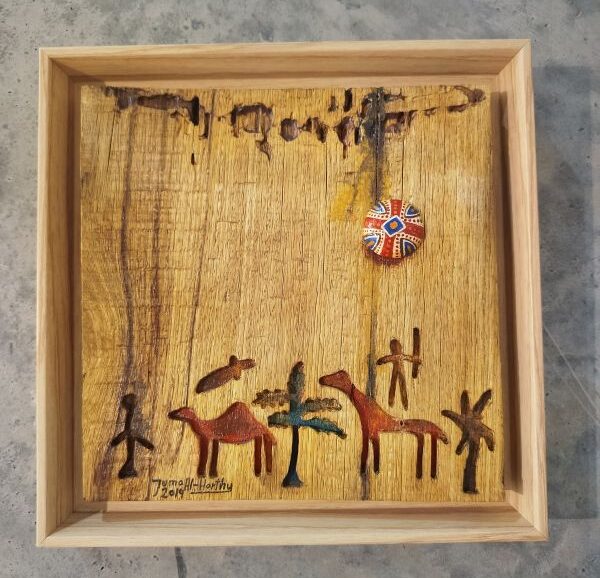
Juma: The rhythm is naturally infused with art of crafting a visual composition that evokes the essence of the past – its colours and the memories stirred by the intricate patterns, ornaments, and Arabic calligraphy adorning doors and windows. In my work, I frequently employ woodcarving, printmaking, and lino cut techniques. I also use acrylic paints – being water-based, they penetrate deeply into wood and plaster. When these pigments blend with the colour, the result is a sophisticated and striking work of art.
Idris: If a viewer stands before my works and closes his eyes, I hope he can sense the beautiful emotional and human quality of this place – a place surrounded by mountains on all sides. There is a distinct human presence here, one that I felt among the old houses, the mountains, and the fortresses.
Adnan: My 15 artworks in Muttrahiyyat blend modern and expressive styles with realism. I aimed to present a modern art style using various materials to express sensory details – whether experienced visually or through the touch of ancient walls and wooden doors. Some works incorporate materials that embody an Omani and Eastern memory of the place, such as beads, ornamentation, wall texture, and intricate details that evoke a wonderful sense of connection to Muttrah.
© 2021 Apex Press and Publishing. All Rights Reserved. Powered by Mesdac